
Last updated October 31, 2026
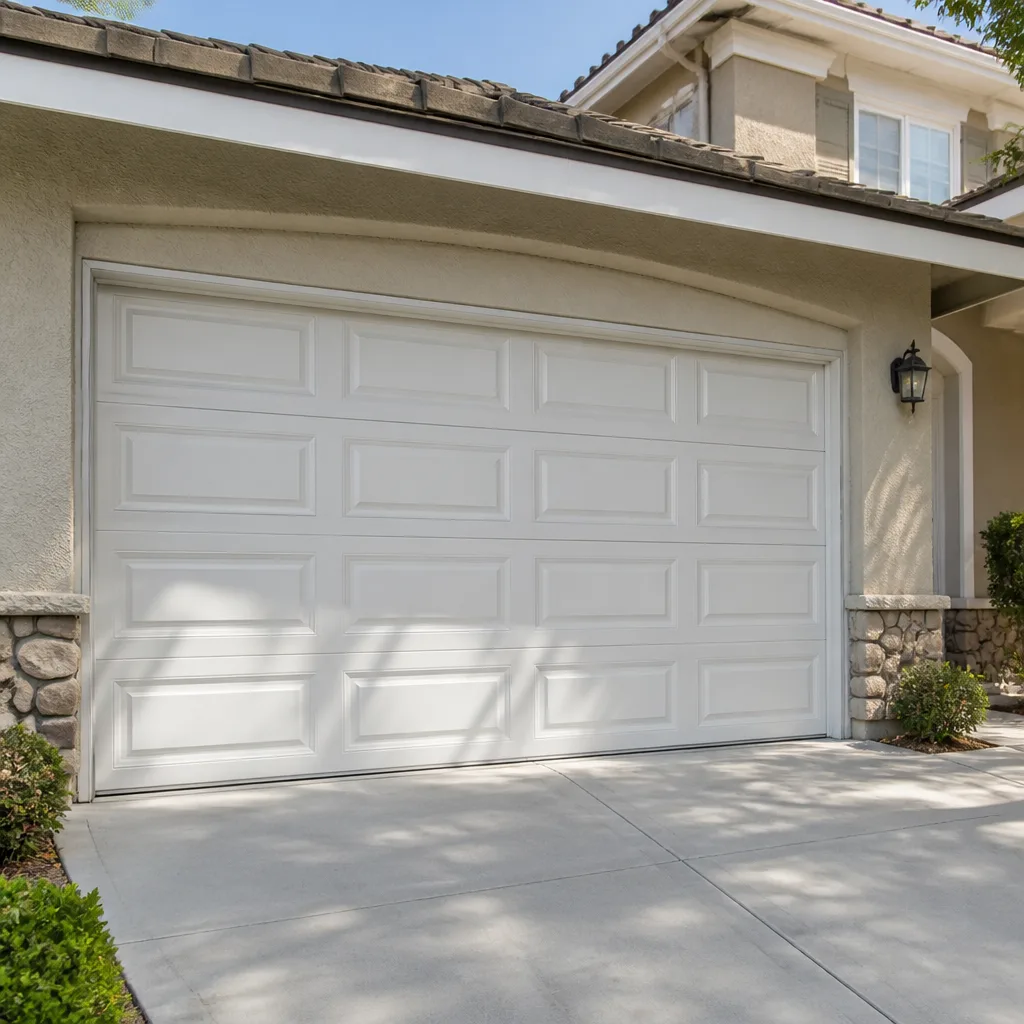 Raised-panel steel
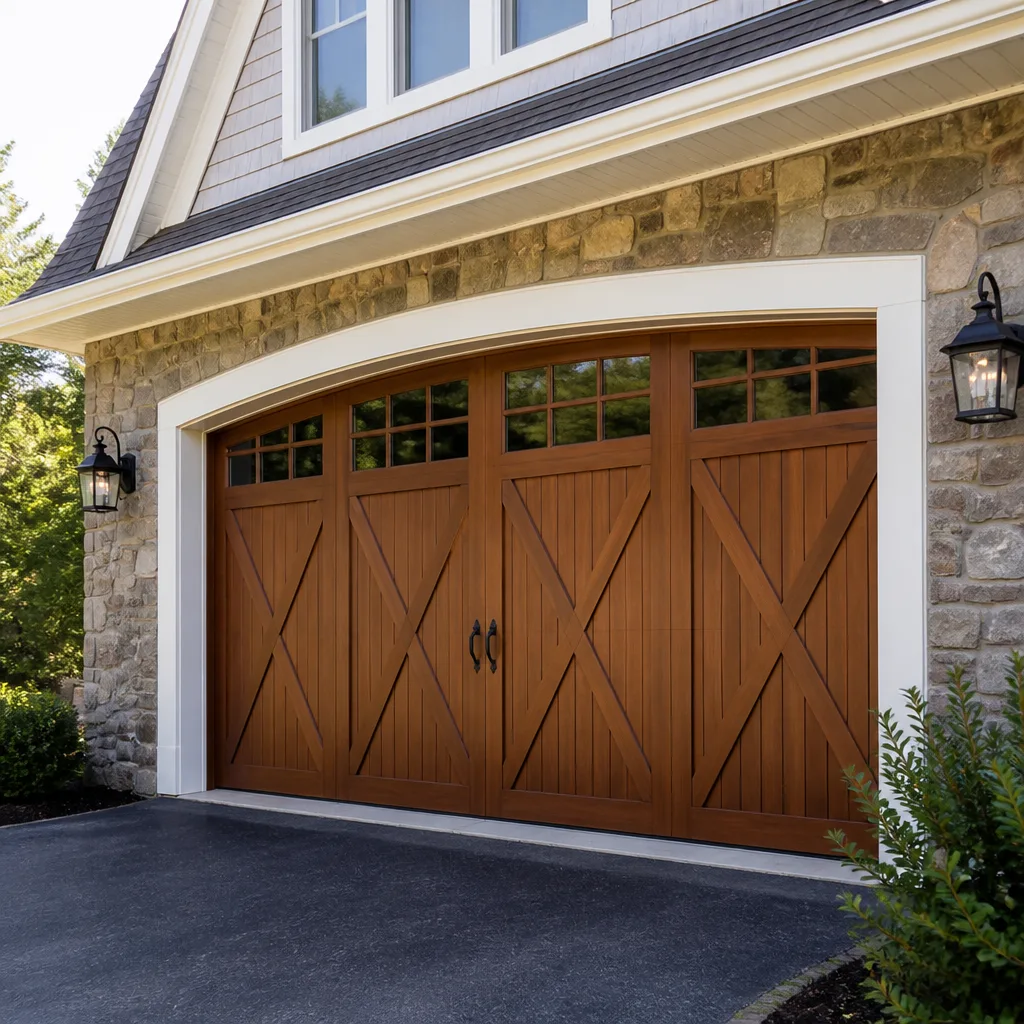 Carriage house
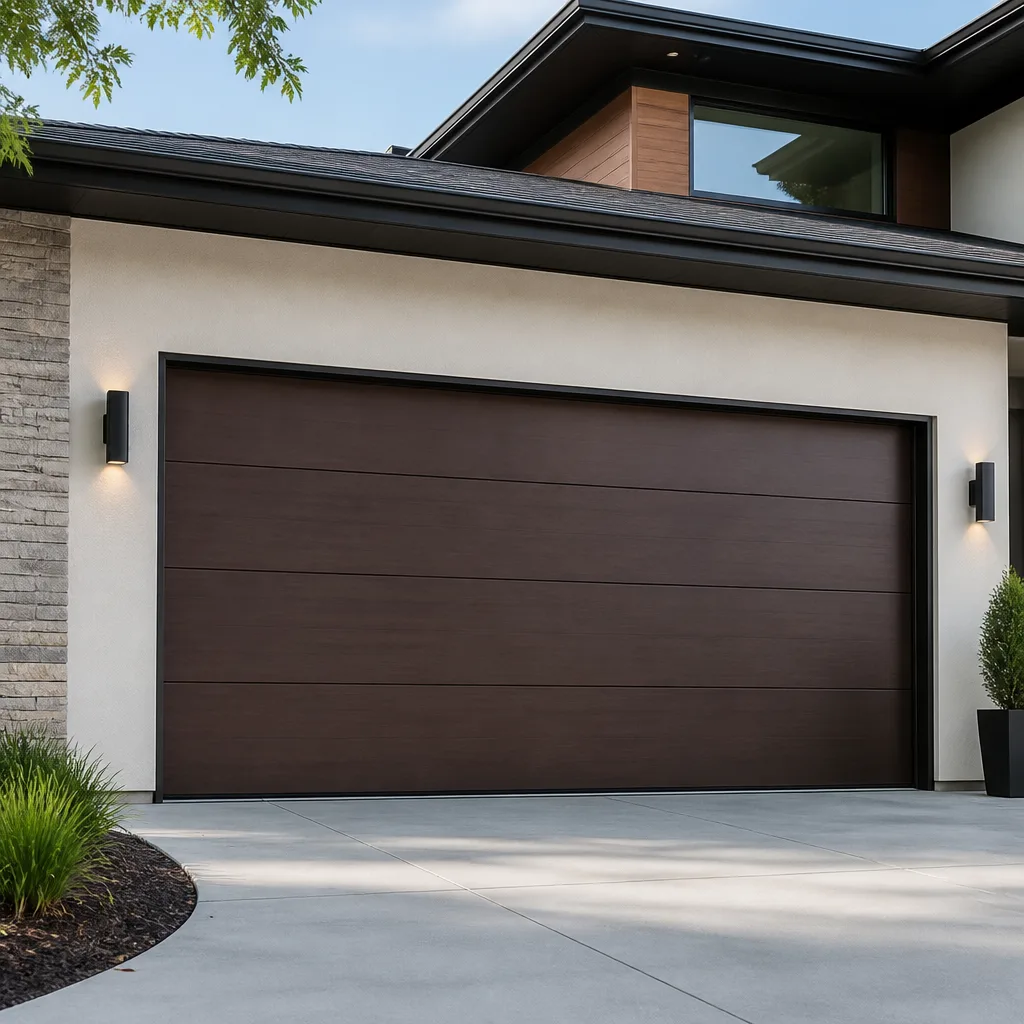 Modern flush
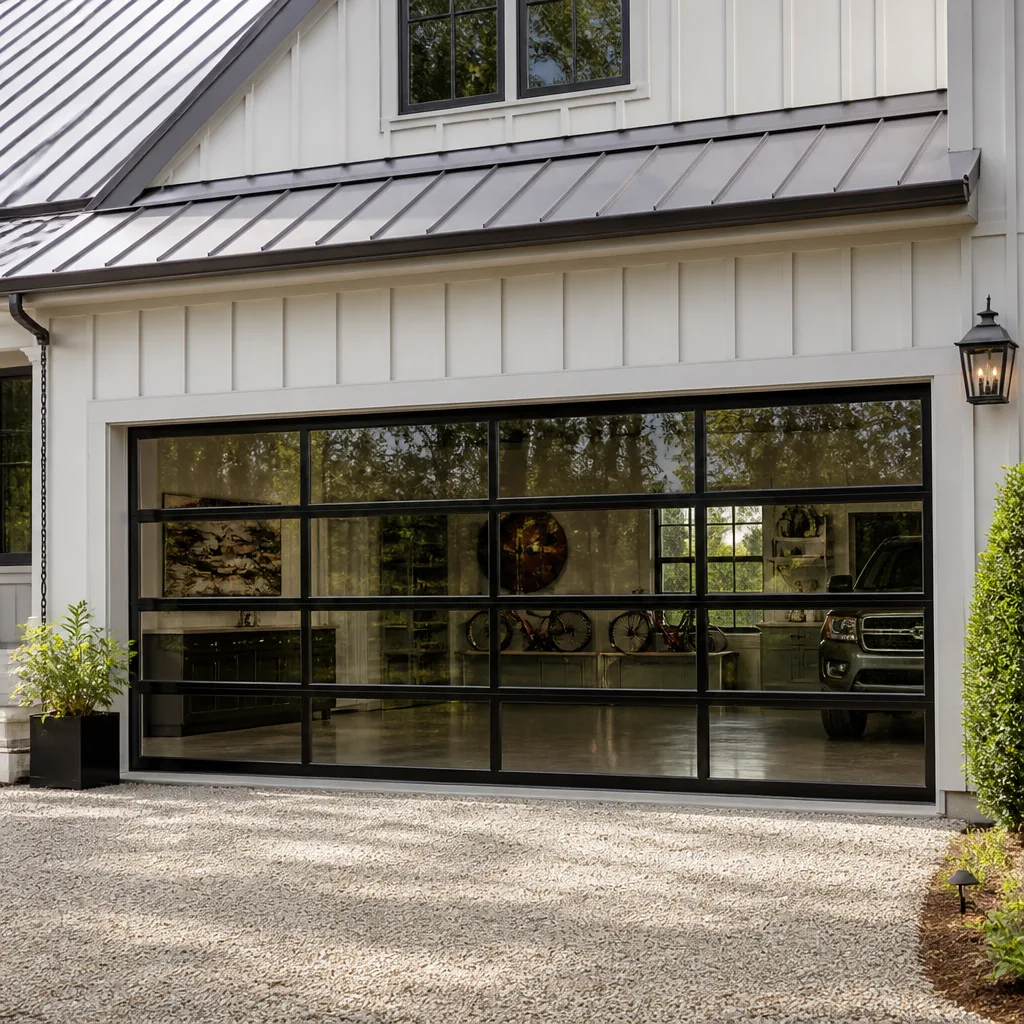 Full-view glass
 LiftMaster openers
 Chamberlain openers
Full 25-point door and opener safety check with every visit - springs, cables, rollers, tracks, and your LiftMaster or Chamberlain opener included
You get a price before we start. It does not change when the truck arrives.
Get your free estimateGarage Door Warning Signs: A Chula Vista Homeowner’s Reference Guide
A garage door rarely fails without warning. It telegraphs trouble through sounds, speeds, and gaps that most homeowners dismiss as quirks until the spring breaks on a Tuesday morning when they’re already late. In Chula Vista, where salt air works on metal components year-round, these early signals matter more than they do inland. This guide teaches you to read those subtle symptoms weeks or months before a breakdown, so you can schedule a repair on your terms instead of standing in your driveway wondering why the door won’t budge. For how to hire a garage door contractor in Chula Vista: a step-by-step guide, see our companion resource. By the time you finish reading, you’ll know which noises are harmless, which ones demand immediate attention, and exactly what to do about each.
Quick Answer
The most common early warning signs of garage door failure include grinding or popping sounds during operation, uneven movement where one side travels faster than the other, a door that hesitates or reverses mid-cycle, visible rust or oxidation on cables and hinges, and an opener that requires multiple button presses. In Chula Vista specifically, coastal moisture accelerates corrosion on metal components, so rust bloom on hinge knuckles or cable oxidation should be treated as an early failure indicator rather than a cosmetic issue. If you notice any of these symptoms, schedule a professional inspection promptly: a $40 roller replacement now can prevent an $800 spring and panel repair later.
Styles & brands we work with
Table of Contents
- Decoding Garage Door Sounds: What Each Noise Means
- Movement Symptoms: Uneven Travel, Hesitation, and Fighting the Opener
- Visual Warning Signs: Rust, Oxidation, and Coastal Corrosion
- Opener Behavior Changes: When the Motor Is Talking, Not the Door
- The Warning Sign Hierarchy: Watch and Schedule vs. Stop Using Now
- Seasonal Maintenance Rhythms for Chula Vista Garages
- Common Mistakes to Avoid
- When to Call a Professional
Decoding Garage Door Sounds: What Each Noise Means
A garage door makes noise on every cycle, and familiar sounds become background quickly. But changes in those sounds are diagnostic information. A door that has always thumped lightly and still thumps lightly is fine. A door that newly grinds, pops, clicks, or hums under load is telling you something specific about which component is wearing out. Here’s what we listen for when we diagnose doors across Chula Vista neighborhoods, from Eastlake to Otay Ranch to the older homes west of the 805.
Grinding or Scraping Metal
Grinding almost always points to rollers. Rollers are the small wheels that carry the door along its tracks, and they wear out on a predictable schedule. Nylon rollers run quiet and last longer, typically 10 to 15 years, while steel rollers grind when their internal bearings fail. On Genie and Chamberlain systems installed in the early 2010s, we often find the original nylon rollers have flattened on one side, causing a consistent scrape at a specific point in the travel. If you hear grinding, you’re hearing metal on metal inside the roller bearing. The fix is straightforward: replace the rollers. Delaying this repair transfers the wear to the track itself, and tracks are far more expensive to replace than rollers.
A Single Sharp Pop During Operation
A pop is different from a grind. A pop is sudden, loud, and singular. It means something released suddenly under tension. The most common source is a torsion spring beginning to fail: the spring coils under extreme tension, and as metal fatigue progresses, one coil can slip or bind momentarily, producing a sharp pop. A secondary possibility is a cable drum shifting on its shaft. Either way, a popping sound from the spring area is not something to ignore. When a torsion spring finally lets go, it releases stored energy violently, and in Chula Vista homes where the spring assembly sits directly above the garage ceiling, the resulting damage can include bent opener arms, dented panels, and damaged tracks. Our guidance is simple: if you hear a pop from the spring area, stop using the door and schedule an inspection before the next cycle.
A Repetitive Clicking Sound During Travel
A rhythmic click-click-click that matches the speed of the door usually indicates a chain-driven opener with a chain that has stretched slightly out of adjustment. On LiftMaster and Craftsman chain-drive models, this clicking is often accompanied by a visible sag in the chain when the door is closed. The noise comes from the chain slapping against the rail. It’s not urgent in the way a popping spring is urgent, but it is worth correcting promptly: a loose chain accelerates sprocket wear, and sprocket replacement on an opener typically outweighs the cost of a simple adjustment. Belt-drive openers don’t produce this sound, which is why the click diagnosis applies specifically to chain-drive units.
A Humming Motor That Moves Nothing
Here’s a scenario we hear a lot: the homeowner presses the button, hears the opener hum, but the door doesn’t move. The motor is running, which means power is fine and the logic board is responding. What’s failing is the starter capacitor: a cylindrical electrical component that provides the initial burst of current to get the motor turning. Capacitors degrade over time, and in coastal Chula Vista, where humidity fluctuates more than in inland San Diego County neighborhoods, we see capacitor failures slightly earlier than average. The capacitor is replaceable on most units, though the part is small and the replacement is quick. A second possibility on newer openers is an internal gear failure, but capacitor failure is more common. If you hear a hum and see no movement, stop using the opener: repeatedly forcing the button on will overheat the motor windings.
Movement Symptoms: Uneven Travel, Hesitation, and Fighting the Opener
Sound is the easiest sense to describe, but movement tells you just as much. A garage door should move smoothly and evenly through every inch of its travel. When it doesn’t, the specific way it deviates from smooth travel identifies the failing component. Here’s a breakdown of movement symptoms we diagnose regularly in Chula Vista garages.
Uneven Travel: One Side Higher Than the Other
Watch the bottom edge of the door as it opens. If one side leads and the other lags, creating a diagonal line rather than a horizontal one, the problem is almost always cable-related. Each side of the door is carried by its own steel cable, and those cables wind and unwind on drums mounted above. When one cable stretches slightly or slips on its drum, that side of the door loses its mechanical advantage and lags. Left uncorrected, a lagging cable can jump its drum entirely, which drops one corner of the door instantly and bends the panel. Uneven travel is a “schedule this week” item on our risk hierarchy, not a “watch and wait” item. It will only get worse.
Hesitation at a Specific Point in the Travel
When a door slows or stutters at a specific point on every cycle, the track or the panel at that point has developed a problem. Common causes include a section of track that’s been pushed slightly out of alignment, a hinge that has worn enough to allow panel flex, or a roller that’s binding in its carrier. The key diagnostic detail is that it happens at the same point every time, which rules out motor issues and points to a mechanical obstruction or deformation. The fix depends on what the inspection finds: a track alignment, hinge replacement, or panel reinforcement. The important action is to have it diagnosed before the obstruction becomes a derailment.
A Door That “Fights” the Opener
When a door is properly balanced, the opener does very little work. A balanced spring system carries most of the load, and the opener mainly guides and times the travel. When springs lose tension through age or fatigue, the opener suddenly has to lift the actual weight of the door. You’ll notice this as a door that moves slower than it used to, groans under load, or feels heavy when you manually disengage the opener and try to lift it yourself. On Clopay and Amarr doors with extension springs, this symptom often appears gradually over months. The extension springs visibly stretch and lose their geometry. On doors with torsion springs, the change can be subtler until a spring breaks outright. If your door feels heavy when you lift it manually, the springs are already failing, and the opener is working against a load it was never designed to carry. That’s how we see openers burn out prematurely in homes across Chula Vista.
Visual Warning Signs: Rust, Oxidation, and Coastal Corrosion
Chula Vista sits close enough to the bay and the Pacific that salt-laden air moves through most neighborhoods, especially anything west of the 805 and south of L Street. Salt air accelerates corrosion on every exposed metal component of a garage door system. Homeowners who inspect their doors once a year catch these visual signs early. Here’s what to look for.
- White or gray oxidation on cables. Lift cables are galvanized steel, and they flex every cycle. Over time, the galvanized coating wears, and the underlying steel begins to oxidize. The first visible sign is a dulling or patchy whitening. When you see that, the cable’s protective coating has failed, and rust will follow quickly. A cable with visible oxidation cannot be trusted to hold its rated load.
- Rust bloom on hinge knuckles. Hinges are exposed to moving parts and tend to trap moisture in their joints. Rust bloom around the hinge pins indicates the hinge has been exposed to enough moisture to compromise its surface, and it will soon bind. Binding hinges change the way panels flex, which wears the rollers faster.
- Bubbling paint at the bottom panel rail. The bottom panel is the first to show moisture damage, because it sits closest to the slab and catches puddle splash. When you see paint bubbling or peeling along the bottom edge, water is getting under the finish and into the panel. Wood composite panels will begin to swell and rot. Steel panels will rust from the inside out. This is a signal to address drainage, sealing, and potentially panel replacement.
- White powder around springs. Torsion and extension springs are coated, but the coating does not last forever. When you see white powder accumulating around spring coils, that’s surface corrosion starting. A corroded spring is already weakened, and its failure is a matter of cycles, not years.
These visual signs matter more in Chula Vista than they do in, say, El Cajon or Santee, because our coastal microclimate is more aggressive on metal. A door that looks fine but has rust on the cable is a candidate for preventive replacement, not a wait-and-see project. Our Garage Door Repair in Chula Vista service includes a full visual inspection of all these components on every visit.
Opener Behavior Changes: When the Motor Is Talking, Not the Door
Your garage door moves mechanically, but the opener is an electronic system with logic boards, sensors, capacitors, and a motor. When the opener behaves differently, most people assume remote batteries or dirty sensors. Those are worth checking first. But here’s the deeper reading: certain opener behaviors signal impending failure of the opener itself, not the remote.
Why a Door That Suddenly Needs Two Button Presses Is a Warning
If your door opened with one press yesterday and requires two presses today, the most common historical culprit was a remote battery. But on modern openers, especially LiftMaster and Chamberlain units with Security+ 2.0 rolling code, the first press may register but fail to overcome a mechanical resistance at the start of travel. The opener recognizes the attempted cycle, gives a brief current to the motor, and then stops when resistance exceeds a threshold. The second press starts the cycle because the door has now “broken free” from whatever was binding. In our experience, this commonly points to a failing starting capacitor or a door that’s slightly out of balance and resting heavier on the opener’s rail. If fresh remote batteries don’t solve it, consider the opener or the door balance as the issue.
Reversal for No Reason: The Sensor vs. Force Settings Issue
An opener that reverses mid-cycle is responding to one of two inputs: the photo-eye sensors detecting an obstruction, or the internal force limiter detecting excessive resistance. The critical diagnostic question is when the reversal happens. If the door reverses as it approaches the floor, and you can see that the sensors are clean, aligned, and unobstructed, the force limiter may be set incorrectly or the door may be binding during the final descent. If the reversal happens at random points in the travel, a sensor problem is more likely. The takeaway is that random or repeated reversals should not be ignored. Each reversal cycle stresses the opener’s gears, and a door that reverses repeatedly is a door that’s telling you something specific. We diagnose the cause in a single visit, and our Garage Door Opener Repair in Chula Vista covers the full system, door and motor together.
Slower Movement Than Before
Opener motors do not gradually lose power the way a flashlight battery dims. An opener that runs noticeably slower than it did a year ago is working against increased mechanical resistance, not suffering from old age. The usual suspect is the door spring system: as springs fatigue, the door gets heavier from the opener’s perspective, and the motor strains. A door running at 75% of its normal speed is a door whose springs are likely near the end of their useful life, not a motor problem. On Clopay doors with extension springs, confirming this is easy: check the visible stretch of the springs when the door is closed. More stretch than normal equals less lifting force. The fix is spring replacement, and it’s a repair we recommend scheduling before the opener does get damaged from chronic overload.
The Warning Sign Hierarchy: Watch and Schedule vs. Stop Using Now
Not all warning signs deserve the same response. Some are maintenance items you can schedule at your convenience. Others are failures in progress that require stopping use of the door immediately. Here’s a hierarchy we teach to Chula Vista homeowners so they know when to call us today and when they can plan ahead.
| Warning Sign | Risk Level | Action |
|---|---|---|
| Light surface rust on hinges | Low | Plan to schedule maintenance in the next 1-2 months |
| Occasional grinding from rollers | Moderate | Schedule this week; track wear will worsen |
| Uneven travel, one side lagging | Moderate-High | Schedule within days; cable drum slippage is progressive |
| Door feels heavy when manually lifted | High | Schedule immediately; springs are failing and openers overload |
| Sharp popping from spring area | Critical | Stop using the door now; spring failure is imminent |
| Visible white oxidation on lift cables | Critical | Stop using the door; cable failure is sudden and dangerous |
| Door reverses repeatedly during travel | High | Schedule immediately; repeated reversal stresses the gear and logic board |
The rule is simple: anything involving the spring or cable system is “stop using the door now.” Those are the two components under extreme tension, and when they fail, they fail suddenly. Everything else falls into a schedule window. The critical distinction: rollers, hinges, tracks, and openers fail gradually and give you time. Springs and cables fail catastrophically and don’t. If you’re unsure which category your symptom falls into, describe it to us over the phone and we’ll tell you whether to keep using the door. At Chelsea Garage Door Service home, we’d rather spend five minutes on the phone preventing an emergency than an afternoon repairing one.
Seasonal Maintenance Rhythms for Chula Vista Garages
Chula Vista’s climate is mild enough that garage doors operate year-round without the extreme cold-weather issues seen elsewhere. But mild doesn’t mean maintenance-free. Here’s a practical seasonal rhythm that matches our local conditions.
Fall: The Pre-Rain Inspection
- Check the bottom seal and weatherstripping for cracks or gaps. Rain in Chula Vista comes in short, heavy bursts, and a failed bottom seal channels water directly under the lowest panel.
- Lubricate rollers, hinges, and springs with a garage door-specific lubricant. Do this when temperatures are moderate, not during a heat spike.
- Inspect cables for the first signs of white oxidation, especially if your garage faces west or north, where coastal air lingers longer.
Spring: The Post-Winter Corrosion Check
- Look at hinge knuckles and spring coils for rust bloom that may have developed during the damper winter months.
- Test the door balance by disconnecting the opener and lifting manually. If the door doesn’t stay open about halfway without support, the springs need attention.
- Check opener force settings by closing the door with a 2×4 laid under it. If the door doesn’t reverse within a second, the force limiter needs adjustment. Note: this test is informational only; never bypass the safety reversal system.
Year-Round: After Any Impact
If a car taps the door from inside the garage, a ball hits a panel, or a heavy object falls against the track, a quick visual check is warranted. Panel dents can hold moisture and rust quickly in our coastal air. Track bends can cause the hesitation-at-a-specific-point symptom described earlier. A quick check now beats a bound door later.
Common Mistakes to Avoid
- Lubricating to fix a grinding noise. Lubricant masks the sound temporarily by reducing friction, but a roller with internal bearing failure keeps wearing out from inside. The grind will return, and the track will be more damaged by then. Diagnose before you lubricate.
- Assuming a heavy feeling door is normal. When you disconnect the opener and lift manually, the door should feel nearly weightless. If it doesn’t, the springs are failing. A heavy door is not a personality quirk; it’s a component failure in progress.
- Replacing remote batteries to fix a door that needs two presses. Try fresh batteries first, by all means. But if the problem persists, you’re looking at a capacitor or door balance issue, not a battery issue. Don’t keep replacing batteries hoping the third set fixes it.
- Ignoring rust because “it’s just surface rust.” On cables and springs, surface rust is exactly the problem. These components are under enormous tension and their strength depends on intact surfaces. In Chula Vista’s salt air, surface rust is structural degradation, not cosmetic.
- Using WD-40 on garage door components. WD-40 is a water displacer and light solvent, not a long-term lubricant. It strips away existing lubricant and provides only brief relief. Use a garage door-specific lubricant rated for spring and roller use.
- Forcing the opener after a failed first attempt. When the door doesn’t move, pressing the button three more times in quick succession overheats the motor and strains the capacitor. Diagnose the first failure before attempting another cycle.
- Assuming a newer door doesn’t need maintenance. New doors fail less often, but they still need annual lubrication, visual inspection, and balance checks. The highest-risk period in our experience is years 8 to 14, when original components reach their design life about the same time.
When to Call a Professional
Call us when you notice any of the warning signs in the “High” or “Critical” rows of the hierarchy table: visible cable oxidation, popping from the spring area, a door that feels heavy under manual lift, or repeated mid-cycle reversal. These are failures in progress, and delaying them creates more expensive failures downstream. Call us too, when you hear a grinding that doesn’t resolve after lubrication, or when your door moves unevenly, or when your opener behaves differently than it did a month ago. Garage doors are mechanical systems under spring tension and electronic motors under load; neither is a system to experiment on without training. Chelsea Garage Door Service offers free estimates in Chula Vista. Explore more guides & resources on our blog. One phone call gets you a same-visit diagnosis of both the door mechanics and the opener system. Call (877) 626-0097, describe what you’re seeing or hearing, and we’ll tell you whether it’s safe to keep using the door and when we can be there.
See the difference
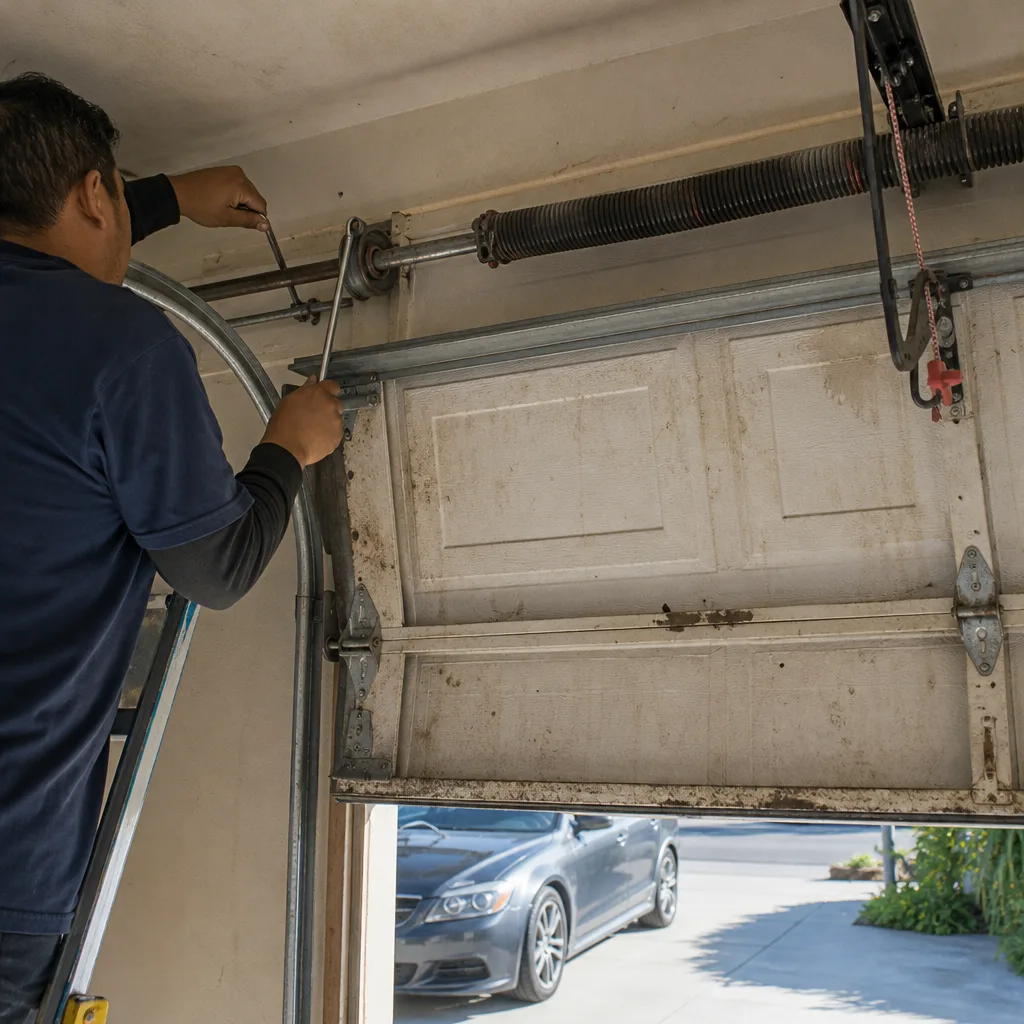 Before
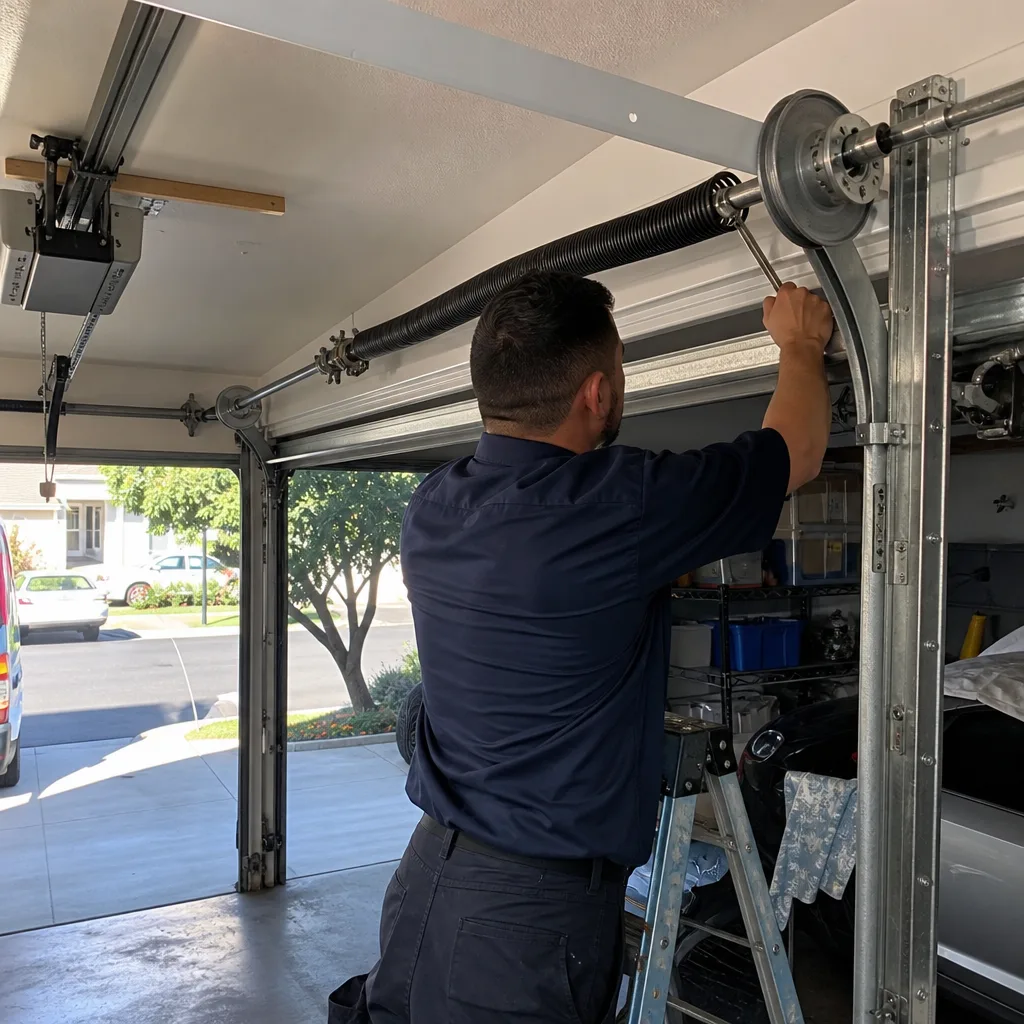 After
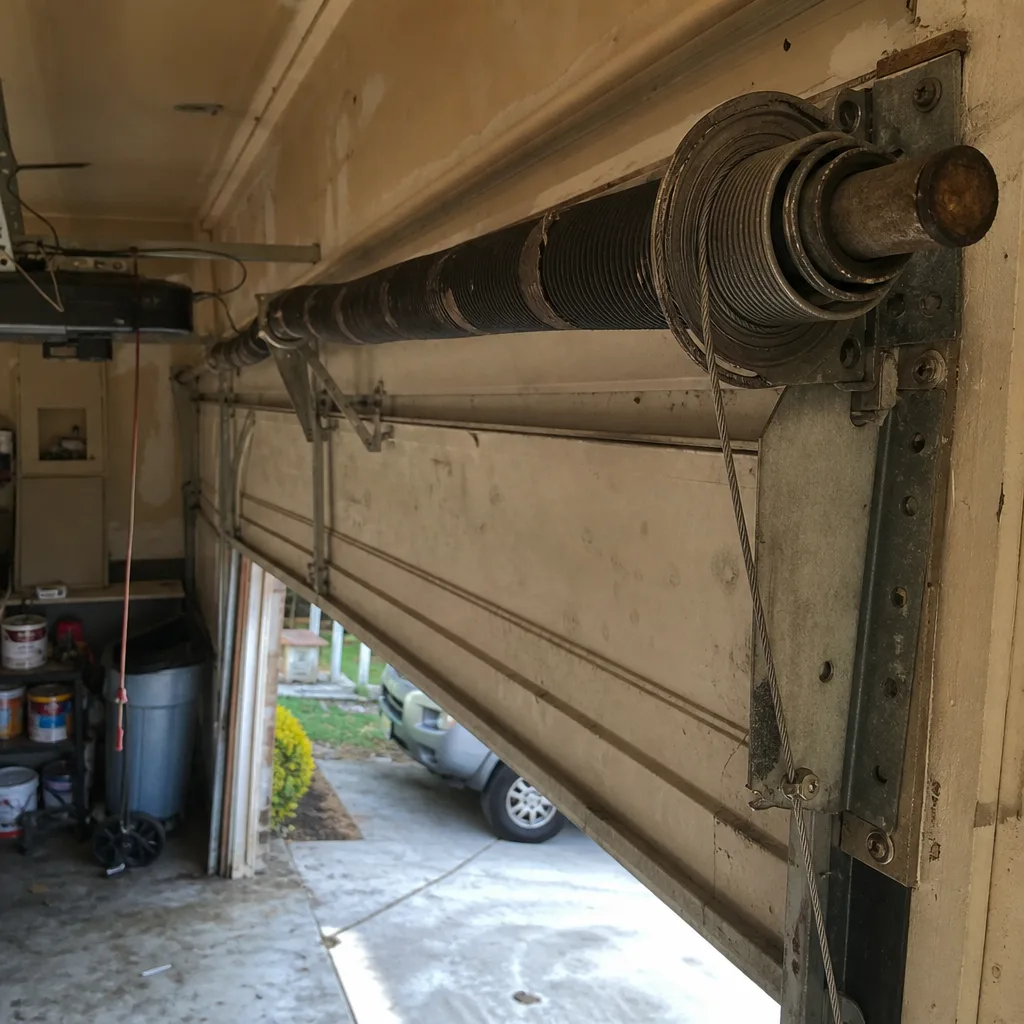 Before
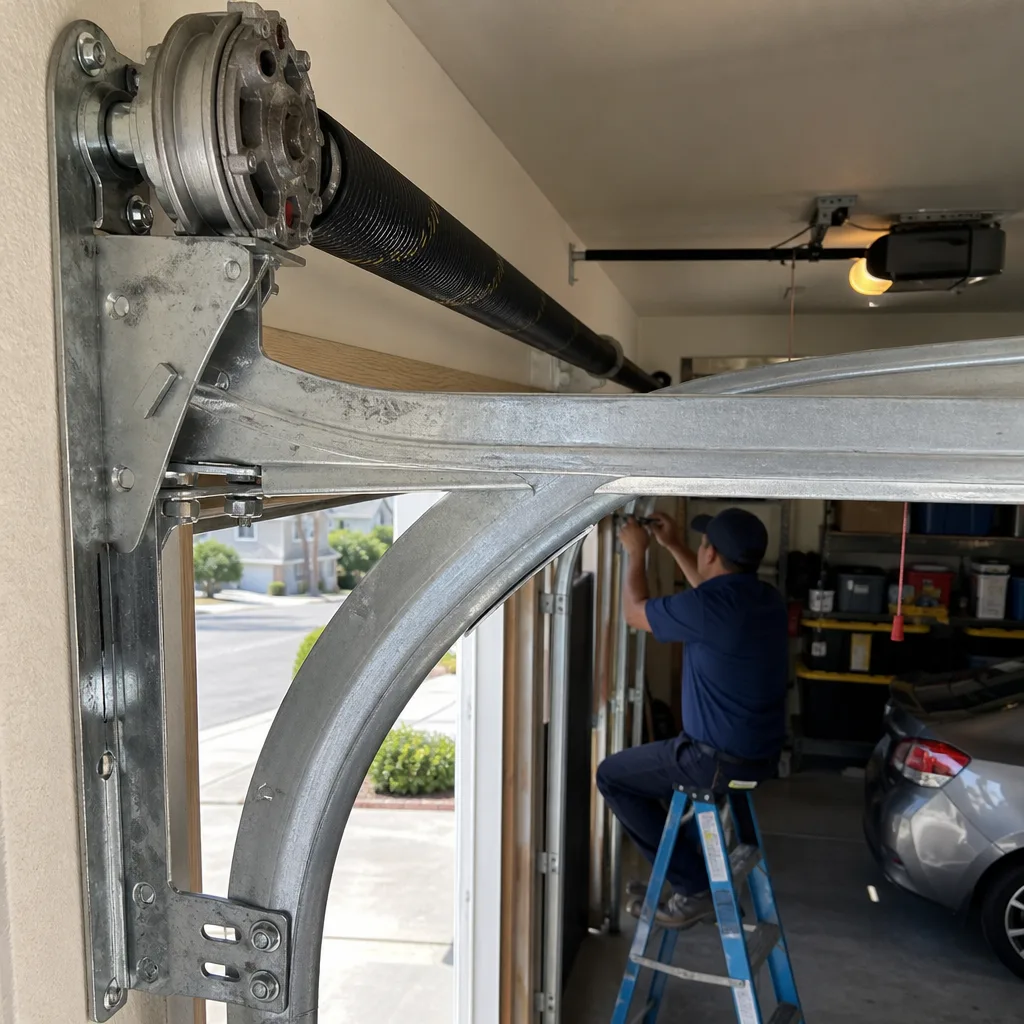 After
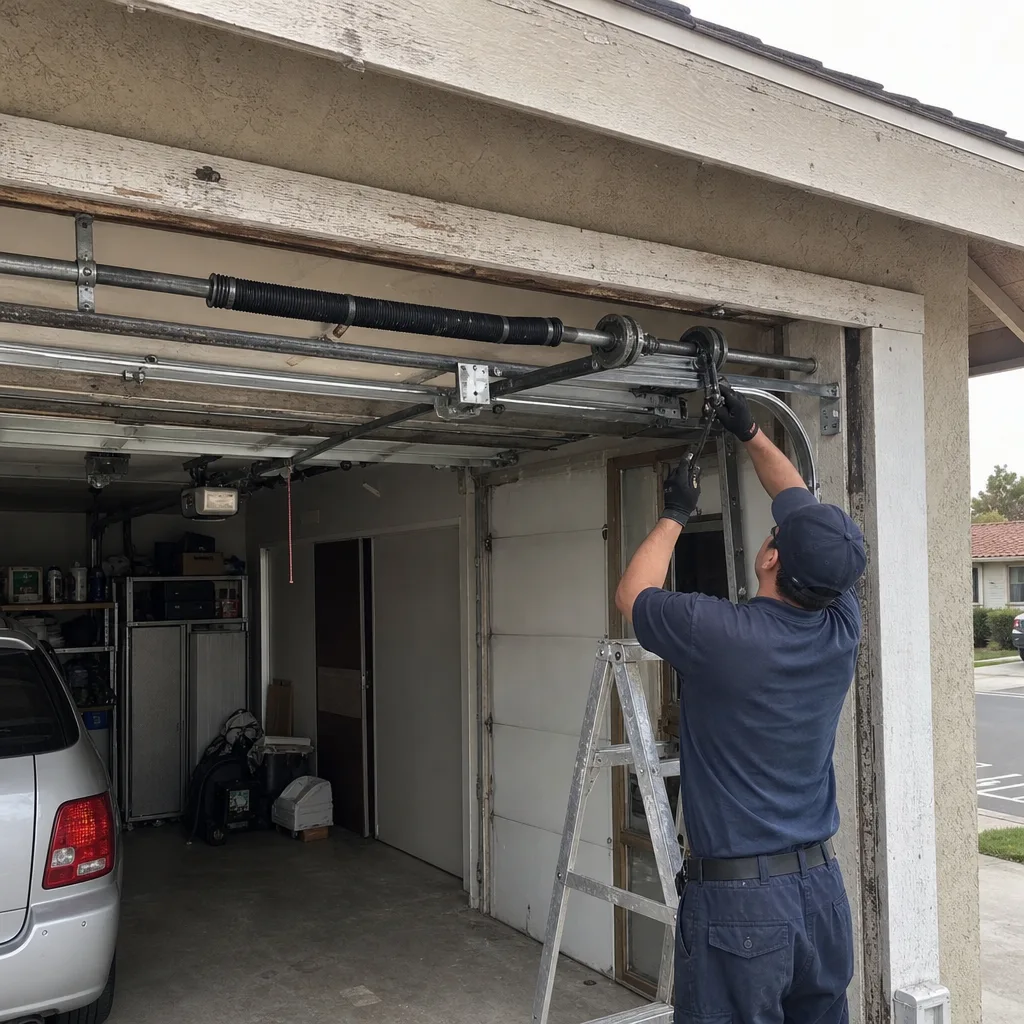 Before
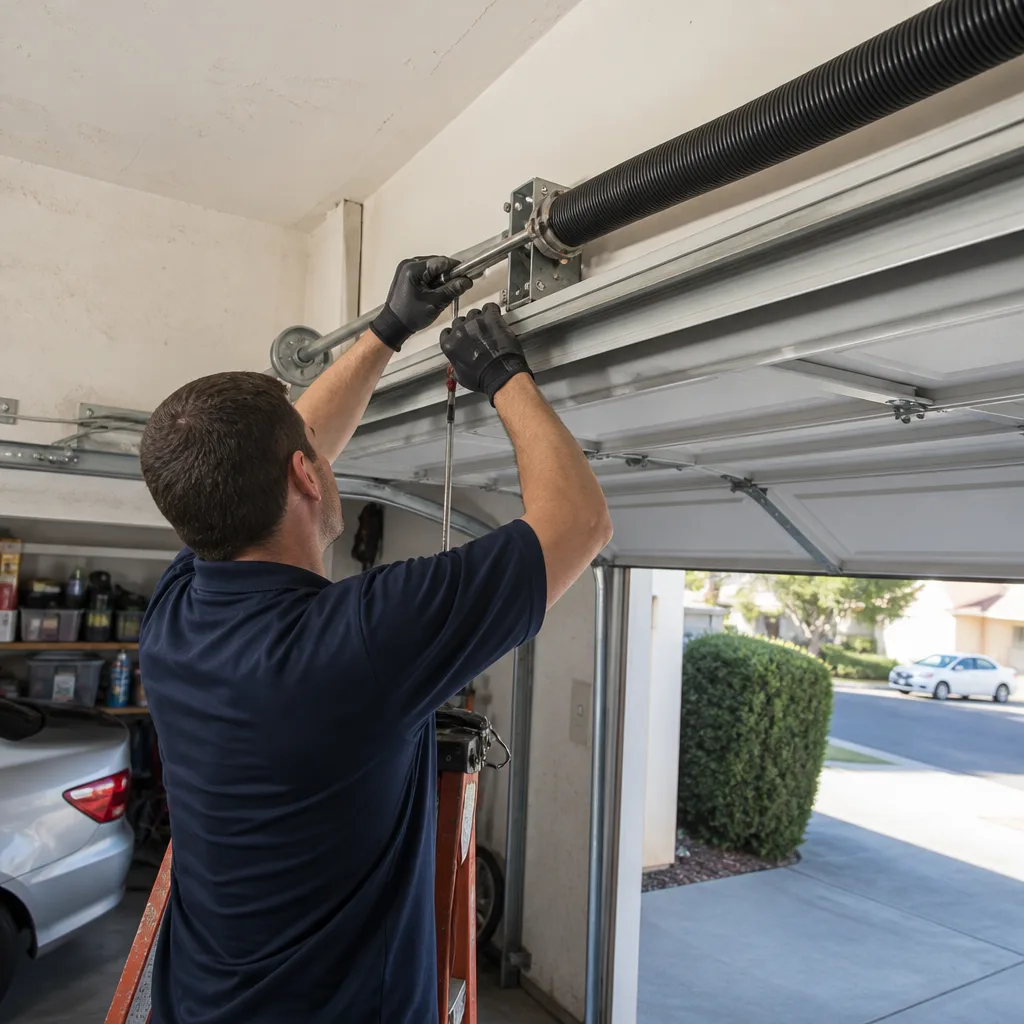 After
Frequently Asked Questions
A torsion spring replacement in Chula Vista typically runs $180 to $340 installed, including the spring, hardware, and labor, with most jobs done in under an hour. Extension spring replacement runs slightly lower, usually $150 to $280. The exact price depends on the spring size, door weight, and whether one or both springs need replacement. Call (877) 626-0097 for a quote specific to your door. We confirm the price before any work starts.
In most cases, yes. We carry common spring sizes, rollers, cables, and capacitors on the truck, so many repairs are completed on the first visit. If the repair requires a part we don’t have in stock, we can usually have it within one business day. Call our Chula Vista line at (877) 626-0097 to describe the problem and we’ll tell you what to expect.
Grinding nearly always indicates a roller with a failed internal bearing. Chula Vista’s coastal air accelerates corrosion on metal parts, which shortens roller bearing life compared to inland communities. The fix is roller replacement, ideally with nylon rollers rated for heavier doors. Grinding that continues means possible track wear, so don’t delay the replacement.
Uneven travel means one cable has stretched or is slipping on its drum. The cables work in pairs, and when one loses tension, that side of the door sags. It’s a progressive problem that ends in a cable jumping the drum and a dropped door corner. Schedule a cable inspection and likely replacement before that happens.
No. A popping sound from the spring area indicates the torsion spring is beginning to fail, and when it goes, it releases stored tension violently. Stop using the door and call for a spring inspection. This is the one symptom we flag as non-negotiable: a popping spring is a failure in progress, not a maintenance item.
Our inspection covers the full lifecycle of the system: spring tension and balance, cable condition, roller wear, hinge integrity, track alignment, bottom seal, opener force settings, sensor alignment, and motor operation. We diagnose the door and the opener in one visit, which is the advantage of working with a garage door specialist rather than separate contractors. Call (877) 626-0097 to schedule.
Pull the red emergency release cord, which hangs from the opener rail, and the door will disconnect from the motor. You can then lift the door by hand. Safety note: do not attempt to open a door that has a broken spring. A door with a failed spring is extremely heavy and can fall. If you can’t lift the door easily, leave it closed and call us.
We do. Our Garage Door Installation in Chula Vista covers the full door and opener system, including units from LiftMaster, Chamberlain, Genie, and Clopay. We’re a garage door specialist, so the install includes the mechanical door setup and the motor programming in one visit, with a written quote before any work begins.
The Bottom Line
Your garage door tells you when it’s failing. The sounds it makes, the way it moves, and the rust that appears on its metal components are all diagnostic signals, readable weeks or months before a breakdown. In Chula Vista, coastal air accelerates corrosion, which means visual inspection matters as much here as noise detection. The critical skills are knowing which symptoms are urgent (anything involving springs or cables) and which are schedulable (rollers, hinges, openers). When choosing components, refer to our choosing the right garage door brand: a buyer’s guide for Chula Vista. When in doubt, call a garage door specialist who can diagnose the whole system in one visit. The alternative is waking up to a door that won’t open on the day you least have time for it.
Written by the team at Chelsea Garage Door Service, serving Chula Vista since 2014.