
Last updated October 31, 2026
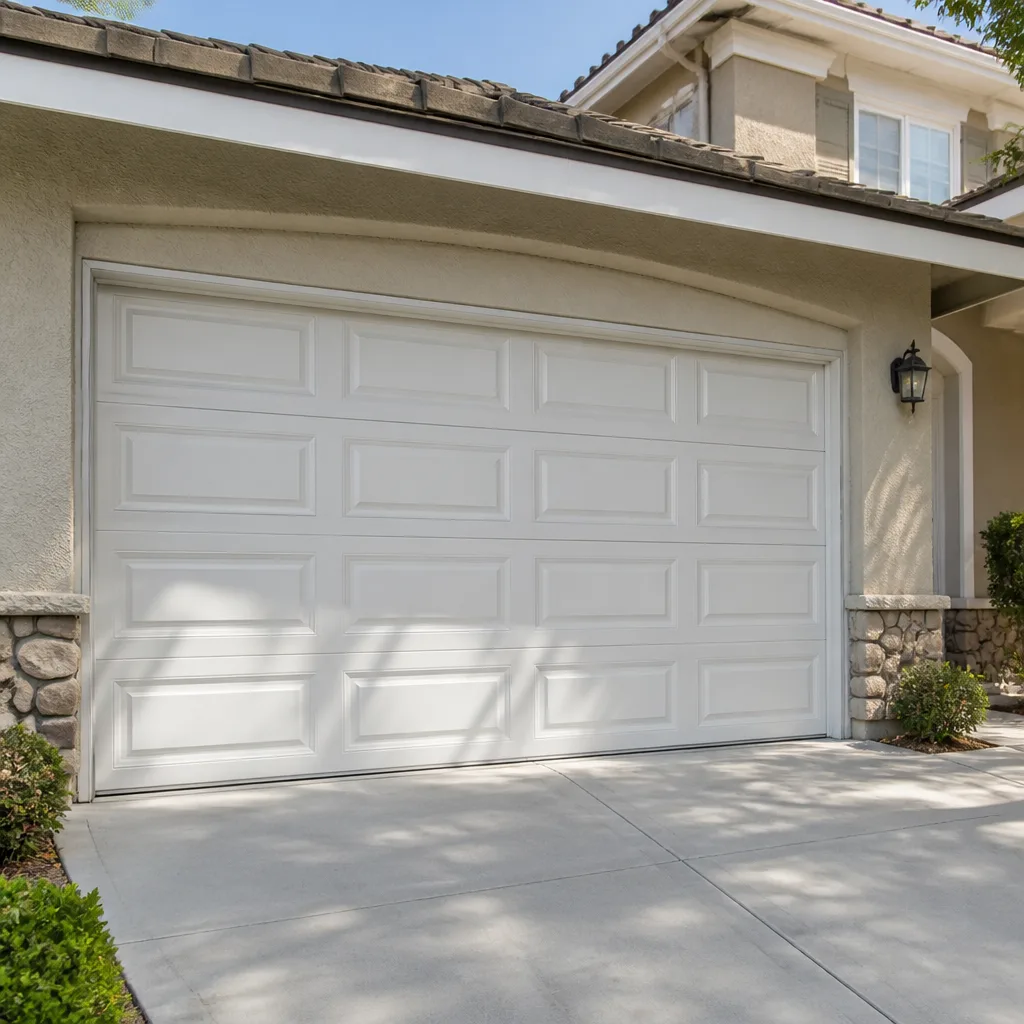 Raised-panel steel
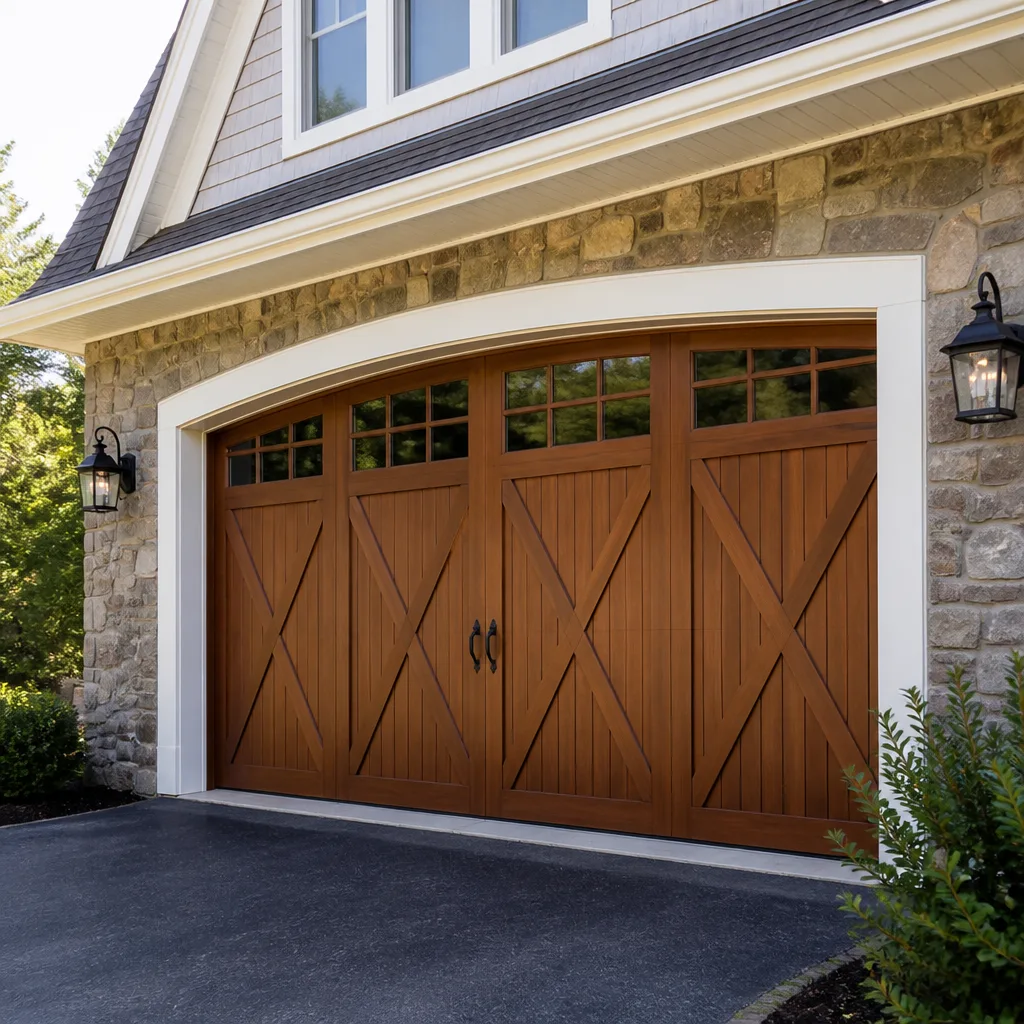 Carriage house
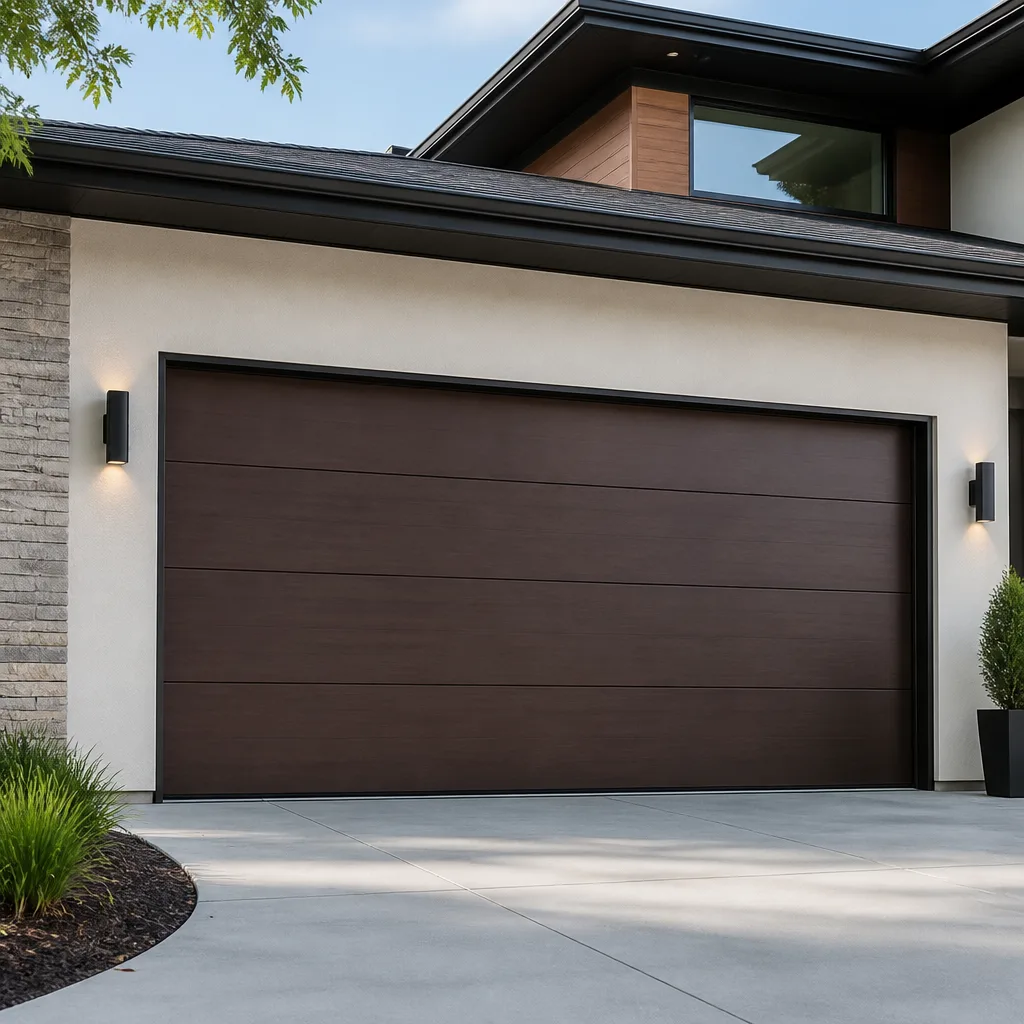 Modern flush
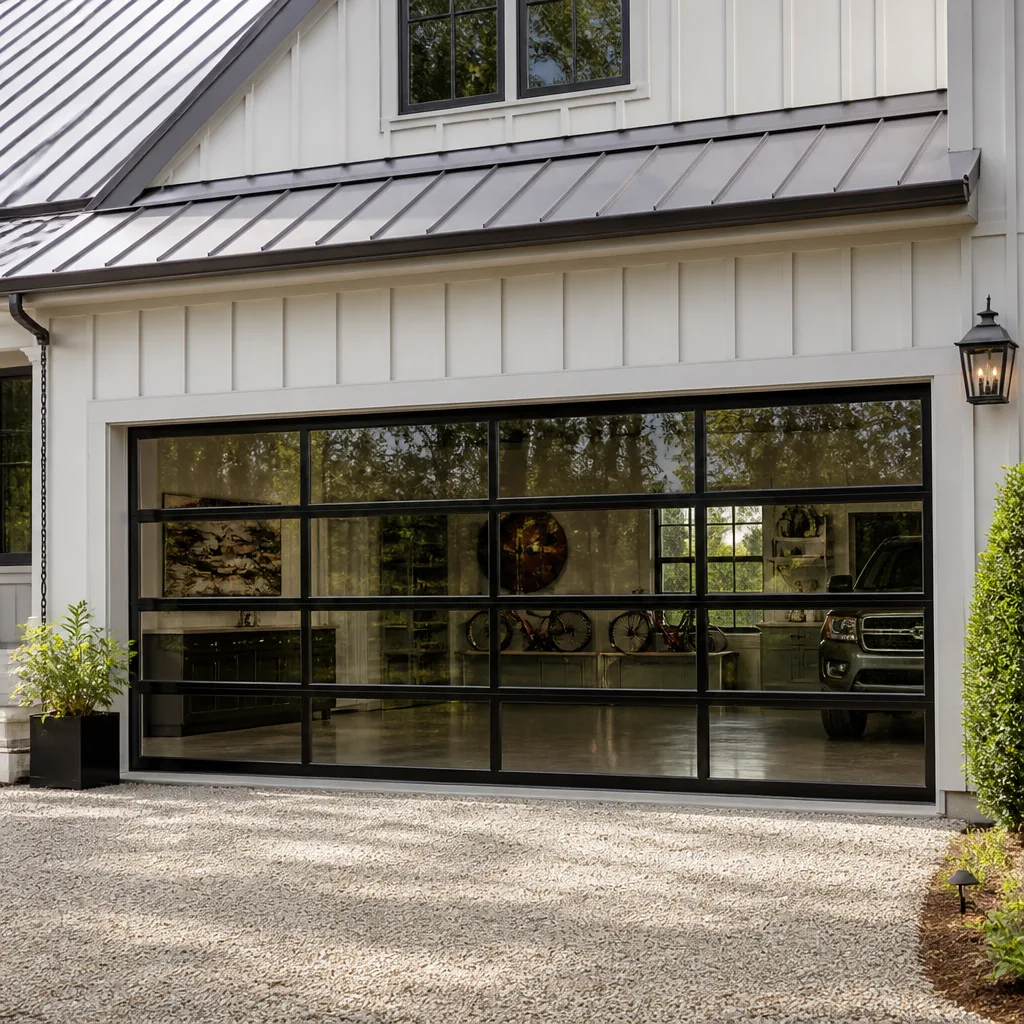 Full-view glass
 LiftMaster openers
 Chamberlain openers
Full 25-point door and opener safety check with every visit - springs, cables, rollers, tracks, and your LiftMaster or Chamberlain opener included
You get a price before we start. It does not change when the truck arrives.
Get your free estimateThe Complete Garage Door Repair Guide for Chula Vista Homeowners
Most garage door guides are written for Ohio winters. They talk about frozen springs and ice-damaged panels. Chula Vista homeowners deal with marine-layer humidity, UV-baked springs, and salt-air corrosion from San Diego Bay and the Pacific. A generic guide misses the failure patterns that actually occur here, which means you get advice that doesn’t match your door’s symptoms. This guide maps Chula Vista’s specific climate conditions to the components most likely to fail on the brands already installed throughout the city’s housing stock, so you can diagnose problems accurately and decide when to repair versus replace.
Styles & brands we work with
Quick Answer
Garage door repair in Chula Vista typically costs between $145 and $380 depending on the component, with spring replacement landing around $180 to $340 and opener repair at $150 to $300. Most repairs are completed in a single visit when the technician carries multi-brand parts, and the three-step process is simple: identify the symptom, get an exact quote before any work begins, and have the repair done same-day. While some safety checks are truly DIY-friendly, anything involving springs, cables, or the opener motor should be handled by a licensed professional working on the brand you already own.
Table of Contents
- How Chula Vista’s Climate Damages Garage Doors
- Which Brands Fail Most Often in Chula Vista
- Repair vs. Replace: A Chula Vista Decision Tree
- How to Document a Repair Need Before Calling
- What Garage Door Repair Costs in Chula Vista
- Red Flags: Unlicensed Garage Door Work in San Diego County
- Common Mistakes to Avoid
- When to Call a Professional
- Frequently Asked Questions
- The Bottom Line
How Chula Vista’s Climate Damages Garage Doors
Chula Vista sits in a unique microclimate that punishes garage door hardware differently than inland San Diego. The marine layer rolls in most mornings, leaving a fine salt-laced moisture film on exposed metal. That moisture doesn’t just evaporate, it seeps into spring coils, hinge pins, and bearing plates. Over time, it creates a corrosion pattern we see on nearly every coastal door that’s more than five years old. The salt content in the marine layer accelerates the oxidation process compared to purely humid climates. That means a spring that might last eight years in El Cajon could fail at year five in the Rancho del Rey or Eastlake neighborhoods.
The second factor Chula Vista homeowners deal with is UV exposure. The inland eastern neighborhoods like Otay Ranch and Rolling Hills Ranch get intense afternoon sun for most of the year. Polyurethane and PVC-encapsulated springs degrade under long-term UV radiation; the outer coating becomes brittle, then cracks. Once that protective layer is compromised, the underlying steel is exposed to the same marine moisture. This is a sequence of failures that doesn’t appear in any generic garage door guide.
Temperature swings matter too. A typical Chula Vista summer day can range from 62 degrees at dawn to 88 by mid-afternoon. That’s a 25-plus-degree swing daily. Metal expansion and contraction over thousands of cycles weakens the spring’s structural integrity at a rate that surprises homeowners who assume coastal climates are gentle on doors. The result is that springs in Chula Vista often fail catastrophically rather than gradually, because the cumulative fatigue reaches a breaking point during a normal cycle, not during extreme weather.
Here’s what Chula Vista homeowners should inspect more frequently than national guidelines suggest:
- Spring coils: Look for rust blooms or cracked coating every six months, not annually, if you live within two miles of the coast.
- Hinge pins and rollers: Marine-layer moisture collects in the pin joints; corrosion causes binding and premature roller wear.
- Bottom weather seal: Salt air degrades rubber seals faster, letting moisture into the track system.
- Cable strands: Look for fraying near the bottom bracket, where salt-water runoff from rain tends to collect.
- Opener circuit boards: Condensation from the marine layer can cause intermittent logic-board failures on older opener models, particularly those manufactured before 2012.
The takeaway here is that Chula Vista’s failure patterns are predictable. A homeowner who knows what to look for catches problems before they become dangerous or expensive. And a technician who understands the local climate recognizes the root cause, not just the symptom.
Which Brands Fail Most Often in Chula Vista
Chula Vista’s housing stock falls into predictable patterns. The city grew in waves, and each wave used different garage door brands. The tract-home developments of the late 1990s and early 2000s across Eastlake, Otay Ranch, and Rancho del Rey are dominated by Clopay and Wayne Dalton doors, paired with LiftMaster and Chamberlain openers. Pre-1990s homes in older neighborhoods near Downtown Chula Vista and the bay are more likely to have Raynor or Craftsman equipment installed by the original builders. Each of these brands has a known regional failure profile in Chula Vista’s climate.
Wayne Dalton doors in Chula Vista’s coastal zone have a recurring issue with the TorqueMaster spring system. This internal spring design was never intended for the salt-air concentration that the marine layer brings. We see premature internal spring failure on Wayne Dalton doors that are within three miles of the coast, often two to three years before the national average for this component. The good news is that the TorqueMaster can be converted to a standard torsion spring with off-the-shelf parts, and it’s a repair, not a door replacement.
Craftsman openers, common in Chula Vista homes built between 1995 and 2010, exhibit gear-and-sprocket wear that accelerates in the coastal humidity. The nylon gears absorb moisture and swell slightly, increasing friction and heat. Over time, the gear teeth strip. This is a repairable opener issue if caught early; if the unit is over 15 years old, replacing the opener is often the better long-term value.
LiftMaster openers perform well in Chula Vista’s climate with one known exception: older belt-drive models from the 2000s can develop encoder-sensor failures triggered by condensation inside the motor housing. The marine layer’s morning moisture is the culprit. Newer LiftMaster models with sealed circuit boards don’t exhibit this problem at the same rate. If you have a LiftMaster from the 2000s that starts and stops erratically only in the morning, this is a known failure pattern a multi-brand technician should recognize immediately.
Raynor doors are less common than other brands in Chula Vista, but the ones that are here are aging. The most frequent call involves hinge and roller wear on Raynor doors installed before 2005. The hinge geometry on these older models creates uneven load distribution when roller bearings start binding, and coastal corrosion accelerates the process. Replacing the hinges and rollers is a straightforward repair that extends the life of the door dramatically.
The point here is that brand-specific knowledge matters. A technician who carries parts for the brands already installed in Chula Vista can repair what you have, often in one visit. That’s the value of working with a company that doesn’t push you toward a replacement just because they don’t stock your brand.
Repair vs. Replace: A Chula Vista Decision Tree
Chula Vista homeowners ask us this question more than any other: should I repair my garage door or replace it? The honest answer depends on five factors, and three of them are unique to this area. Here’s the decision sequence we walk customers through, adapted for Chula Vista’s specific conditions.
- Panel condition vs. door age: If the door is under 15 years old and panels are intact, repair is almost always the right call. The door’s frame and tracks are still sound. But if the door is 20-plus years old and panels show UV-baked warping or rust-through around the edges, replacement starts making financial sense.
- Spring type and condition: If the springs are original and the door is 10-plus years old in a coastal neighborhood, you’re likely to face a second spring failure within a season after replacing the first. That’s a signal to consider a full-system replacement with a modern, corrosion-resistant spring assembly.
- Title 24 compliance: California’s Title 24 energy-efficiency standards affect garage doors in attached garages. Older doors without adequate insulation may not meet current requirements for conditioned spaces. If you’re repairing a heavily damaged door and want to avoid future compliance issues, this is the time to consult on a replacement door that meets Title 24 specifications.
- Opener compatibility: If your door is in good shape but your opener is 20 years old and needs a new motor, a new opener is the answer. Modern openers have built-in safety features that older units lack. This is a component-level decision that doesn’t require replacing the door itself.
- Cost threshold: As a rule, if a single repair costs more than 50 percent of a new door’s installed price, replace. If it’s under 30 percent, repair. The gray zone in between is where local knowledge matters most.
Here’s the thing about Chula Vista specifically: the marine layer doesn’t just affect springs. It affects every metal component that’s original to a door installed before 2010. If you’re repairing a spring on a 15-year-old door and the hinges are corroded, the rollers are binding, and the bottom seal is cracked, those are separate failures waiting to happen. It may be smarter to replace the whole system now rather than make four sequential repair calls over the next 18 months. A multi-brand specialist can tell you whether the failures you’re seeing are isolated or part of a pattern unique to Chula Vista’s coastal conditions.
How to Document a Repair Need Before Calling
You can dramatically shorten the diagnostic process, and sometimes eliminate a service-call fee, by gathering specific information before picking up the phone. This is what we ask homeowners to collect, and it works for any garage door repair in Chula Vista. The goal is to help the technician arrive with the right parts on the truck.
- Video the symptom: Use your phone to record a 15-second clip of the door attempting to open or close. Stand inside the garage so we can see the spring, cables, and track. A video of the sound alone is far less useful than a video showing the mechanism in motion.
- Note the sounds: A grinding noise indicates roller or hinge wear. A snap or bang followed by a door that won’t move is almost certainly a broken spring. A humming sound with no movement is the opener motor running against a broken gear. Write down what you hear and when the noise occurs in the cycle.
- Check the error codes: If your opener has an LED display or blinking-light pattern, count the blinks or note the code. LiftMaster and Chamberlain openers use a diagnostic code system that identifies the specific fault. This saves a significant amount of technician time.
- Photograph the brand label: Every door has a manufacturer label, usually on the inside edge of the panel or the end stile. Photograph it. For the opener, photograph the model number on the motor housing. This tells the technician which brand-specific parts to load.
- Note what happened just before: Was the door half-open when it failed? Was it making a new noise for a week before? Did the remote work but the wall button not? These details are diagnostic gold.
- Record recent changes: Weather, power outages, construction, a delivery truck backing into the door. Any event that preceded the failure is relevant.
This documentation matters particularly in Chula Vista because the coastal climate produces intermittent failures that don’t reproduce on demand. A circuit board acting up only when the marine layer is thick won’t fail in the dry afternoon when the technician arrives. Your documentation of when and under what conditions the door misbehaves closes that diagnostic gap.
What Garage Door Repair Costs in Chula Vista
Garage door repair pricing in Chula Vista reflects the city’s specific market. You’re not paying Midwest prices, and you’re not paying San Francisco prices. Here’s a breakdown of what homeowners in Chula Vista can expect to pay for common repairs, based on current local rates. These are ranges, not quotes, because every job differs by brand, door weight, and accessibility:
- Broken torsion spring replacement: $180 to $340, including the spring, labor, and safety check. Convert-a-TorqueMaster jobs run toward the higher end.
- Extension spring replacement: $150 to $250, typically a faster job on lighter doors.
- Cable replacement (single side): $120 to $180. We recommend replacing cables in pairs when the door is over 10 years old; the other side is usually at the same wear point.
- Opener gear or sprocket replacement: $150 to $220, common on Craftsman and older LiftMaster units.
- Opener replacement with a new unit: $350 to $650 installed, depending on the brand and features. You pay for the opener and the installation labor.
- Roller replacement (set): $120 to $200, including nylon or steel rollers. Nylon runs quieter but doesn’t last as long in high-humidity environments.
- Bottom seal replacement: $85 to $140, including the seal and adhesive or track-mounted installation.
- Track realignment: $125 to $225, depending on how far the track has drifted and whether brackets need replacing.
Here’s what we tell every Chula Vista homeowner: the price is quoted and agreed before any work starts. No surprises on the invoice. A reputable repair company diagnoses first, prices second, and does the work third. If a technician starts working before quoting a price, that’s a problem.
One more local cost factor: parts availability. Chula Vista’s position in San Diego County means most brand-specific parts are stocked locally rather than shipped from out of state. That’s one reason same-day repair is realistic for most jobs. The exception is non-standard doors, custom sizes, or obsolete opener models, which may need a parts order and a scheduled return visit.
Red Flags: Unlicensed Garage Door Work in San Diego County
San Diego County has a persistent problem with unlicensed handymen offering garage door repair services at prices that undercut legitimate contractors. Chula Vista homeowners are a prime target because the city’s density makes it easy for these operators to move between jobs quickly. Here’s what unlicensed garage door work looks like and what it costs homeowners later.
The pattern is familiar. A homeowner searches for garage door repair, calls a number, and gets a quote that’s 40 percent below what a licensed company charges. The unlicensed operator arrives, does the work quickly, and leaves. The door works for a few weeks, maybe a few months. Then it fails again, often more destructively, because the unlicensed technician patched a symptom rather than addressing the root cause.
What unlicensed operators in Chula Vista typically get wrong:
- Wrong spring size: Springs are sized by door weight and height. An unlicensed operator may install whatever spring is in the truck, resulting in a door that’s unbalanced and puts excessive strain on the opener.
- Reusing old cables: Cables are inexpensive, but an unlicensed operator may reuse the old set to save time and cost. When that frayed cable snaps, the door can drop suddenly and dangerously.
- Incorrect tension: Torsion springs require precise winding calculations. An under-wound or over-wound spring creates a door that drifts, binds, or damages the opener.
- No safety inspection: Licensed technicians inspect the entire system, including the auto-reverse mechanism and photo-eye sensors. Unlicensed operators fix the immediate symptom and skip the safety check.
- No warranty recourse: When the unlicensed operator’s work fails, the phone number stops answering. A licensed company stands behind its work and can be reached.
The cost difference is deceptive. An unlicensed repair at $100 cheaper than a licensed one can turn into a $600 opener replacement when the mis-sized spring burns out the motor. And if that improvised repair causes property damage or injury, the homeowner’s insurance is the only coverage. A licensed garage door company in Chula Vista carries liability coverage and works under California’s contractor laws. That protection matters.
One practical way to screen: ask for the California contractor’s license number and verify it against the Contractors State License Board database. If the number can’t be produced, or the name doesn’t match, hang up and call a licensed company. A specialist like Chelsea Garage Door Service repairs what you already own, across all major brands, and we’re licensed, insured, and bonded.
Common Mistakes to Avoid
Chula Vista homeowners make a set of predictable errors when dealing with garage door problems. Here are the most frequent ones we see, along with a sentence on why each one leads to bigger problems.
- Ignoring a noisy door: That grinding or squeal is a component telling you it’s failing. By the time the noise becomes a total failure, you’re paying for a spring and an opener instead of just a spring.
- Replacing the opener before checking the door: A door that’s out of balance puts excessive load on the opener motor. If you replace the opener without addressing the underlying door issue, you burn out the new opener too. Chula Vista’s coastal corrosion makes unbalanced doors more common, not less.
- DIY spring replacement: Torsion springs carry massive tension, enough to cause serious injury. This is not a weekend project. A trained professional has the winding bars and respect for the energy involved. Even experienced DIYers get hurt every year.
- Letting a handyman patch cables: A cable that’s fraying is a structural failure in progress. Splicing or reattaching a damaged cable without replacing it creates a catheter for sudden, dangerous failure. Cables are cheap; replacing them properly is the only safe repair.
- Buying parts online before diagnosis: We see homeowners who’ve ordered springs on the internet based on a Web search, only to find they’ve bought the wrong size. Garage door parts are not universal. The brand, door weight, and track configuration all affect spring selection. Get the diagnosis first.
- Delaying a repair because the door still works: A door that works but is failing slowly is costing you in increased opener wear. And the day it fails completely is often the day you’re already late for work. The cheapest repair is the one you make before the failure becomes catastrophic.
- Skipping the annual safety inspection: In Chula Vista’s coastal climate, corrosion accelerates between inspections. A door that passed an inspection 18 months ago may have developed a dangerous cable-fray or spring-coil crack since. Annual inspection is not optional in this marine environment.
When to Call a Professional
Call a garage door professional when you notice any of these conditions: a door that’s visibly out of balance, a broken or rusted spring, frayed cable strands, a door that reverses without obstruction, an opener that runs but doesn’t move the door, or any impact damage from a vehicle. These are not cosmetic issues; they are structural and safety failures. You should also call if you’ve inherited a garage door with an unknown service history and want to establish a maintenance baseline. Chelsea Garage Door Service offers free estimates in Chula Vista for all three of our lines: garage door repair, opener repair, and installation. We’re a multi-brand specialist, which means we repair the door you already own rather than steering you toward a replacement. Call (877) 626-0097 and tell us what you’re seeing; we’ll help you decide whether a visit is warranted.
Frequently Asked Questions
Garage door repair in Chula Vista typically costs between $145 and $380, with spring replacement ranging from $180 to $340, cable replacement at $120 to $180, and opener repairs at $150 to $300 depending on the part. The exact price depends on the brand of door you own, the component that failed, and the door’s size and weight. Quotes are always provided and agreed before work starts, so you’ll never see a surprise on the final invoice. Call (877) 626-0097 for a free estimate specific to your door.
Yes, Chelsea Garage Door Service maintains a full inventory of multi-brand parts in Chula Vista, so most spring replacements, cable repairs, and roller swaps are completed the same day you call. Because we work on the brands already installed across the city, we’re not waiting on parts from out of state. For opener repairs requiring a specific circuit board or older-model component, we may need to order the part and schedule a return visit within a few days.
We work on LiftMaster, Chamberlain, Genie, Clopay, Wayne Dalton, Craftsman, and Raynor doors and openers. This multi-brand expertise means we repair the equipment you already own rather than pushing a replacement. Chula Vista’s housing stock includes a mix of these brands across different building eras, and our technicians are trained to diagnose failures specific to each. If you know your brand, that information helps us stock the truck correctly; if you don’t, we can identify it on the first visit.
Homes within two miles of the coast should have an annual safety inspection, while inland Chula Vista neighborhoods like Otay Ranch and Eastlake can go 18 months between inspections. The marine layer’s salt content accelerates corrosion on springs, cables, and hinges, so coastal doors wear out faster than the national average. An inspection catches these failures before they become dangerous or expensive.
Yes, Title 24 affects garage doors in attached garages by setting energy-efficiency requirements for doors that enclose conditioned space. If you’re repairing a door, Title 24 doesn’t trigger a compliance requirement. But if you’re replacing a heavily damaged door on an attached garage, the replacement door must meet current insulation and air-sealing standards. A knowledgeable technician can explain the requirement and recommend a replacement door that complies without overselling unnecessary features.
No, the price we quote after diagnosis is the price you pay, period. We diagnose first, quote second, and work third. If additional damage is discovered during the repair, we stop and discuss it with you before proceeding. This is a standard practice for licensed, reputable garage door companies in Chula Vista, and it’s one of the reasons to avoid unlicensed operators who quote low and bill high.
The Bottom Line
Chula Vista’s garage doors fail in patterns that a generic guide can’t predict. The marine layer corrodes springs and cables faster than inland locations. UV exposure bakes protective coatings off spring assemblies. Temperature swings fatigue metal through daily expansion and contraction. Understanding these local conditions is the first step to making smart repair decisions. The second step is calling a multi-brand specialist who knows the equipment in your home and repairs it rather than replacing it. Whether you need garage door repair, opener repair, or new installation, the right call is to a professional who knows Chula Vista and the brands already installed here.
Written by the team at Chelsea Garage Door Service, serving Chula Vista since 2014.
See the difference
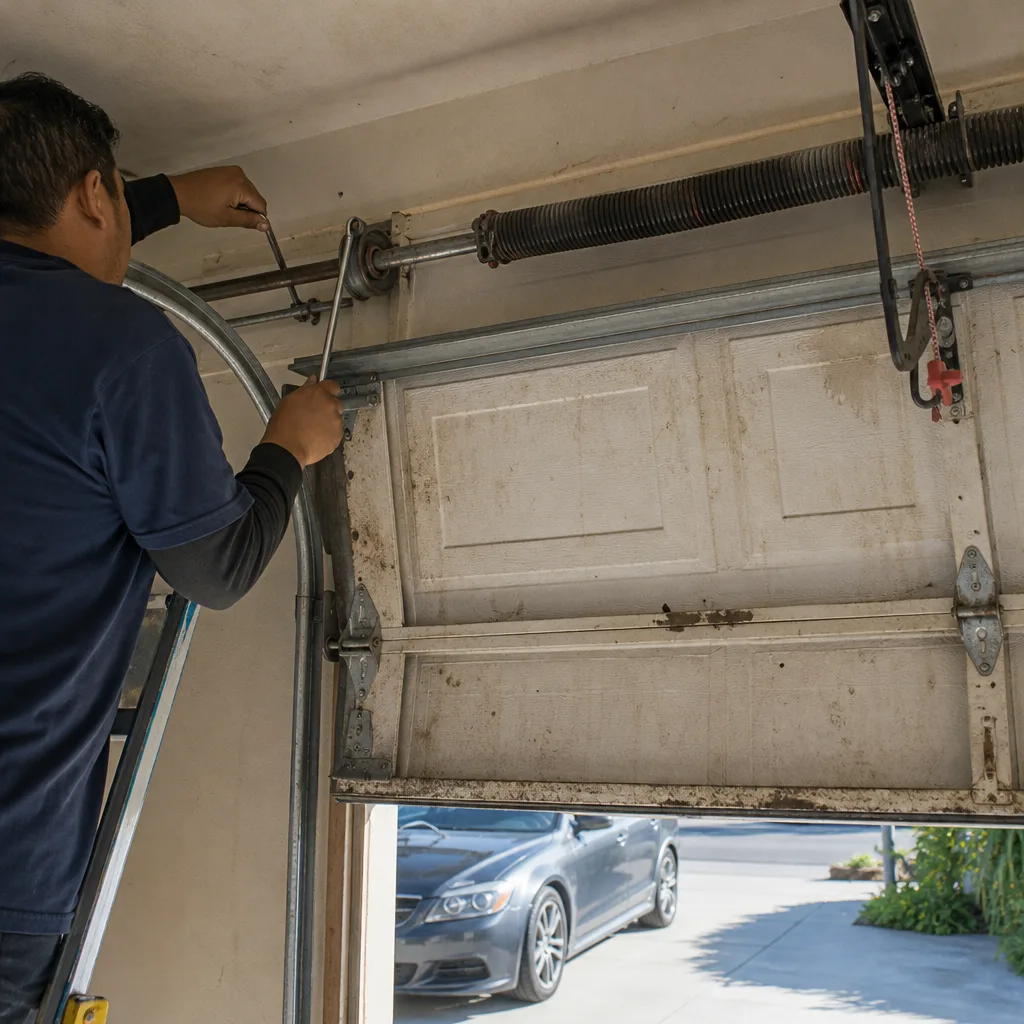 Before
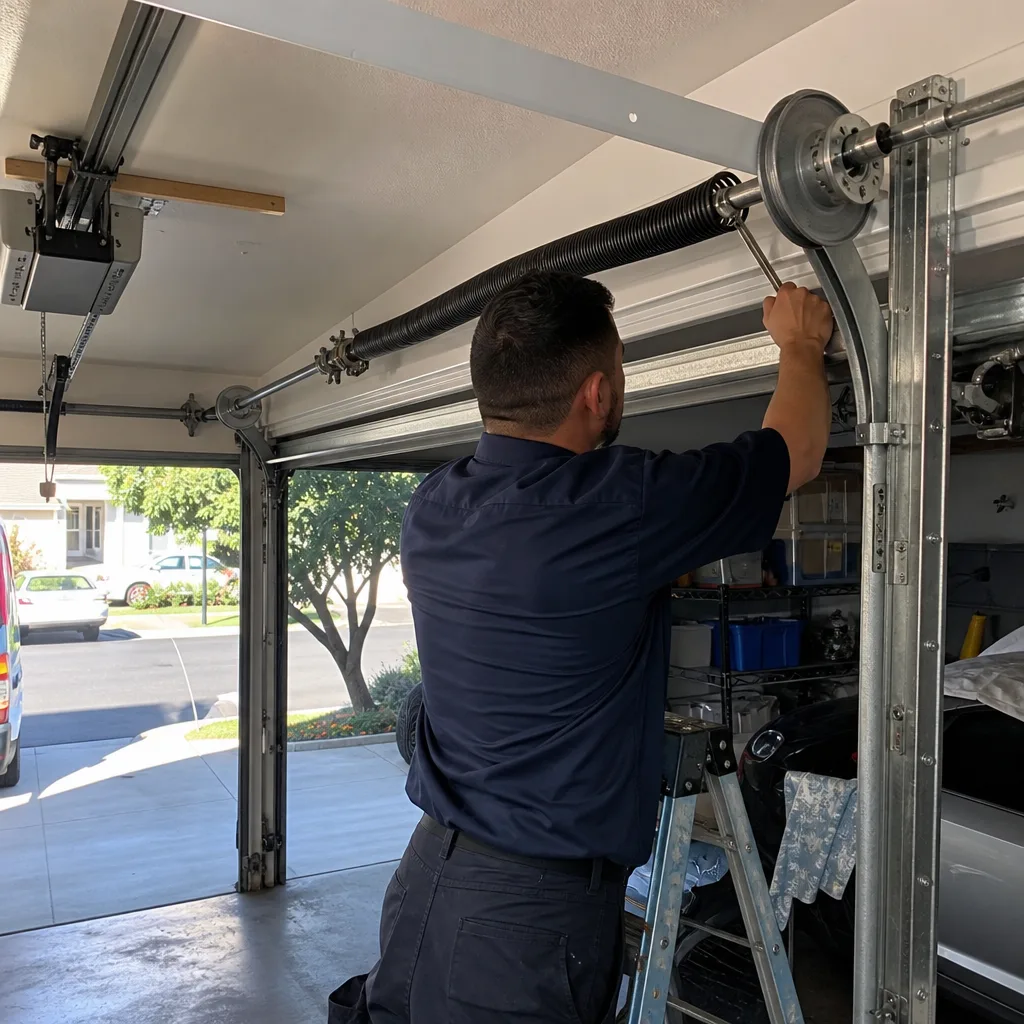 After
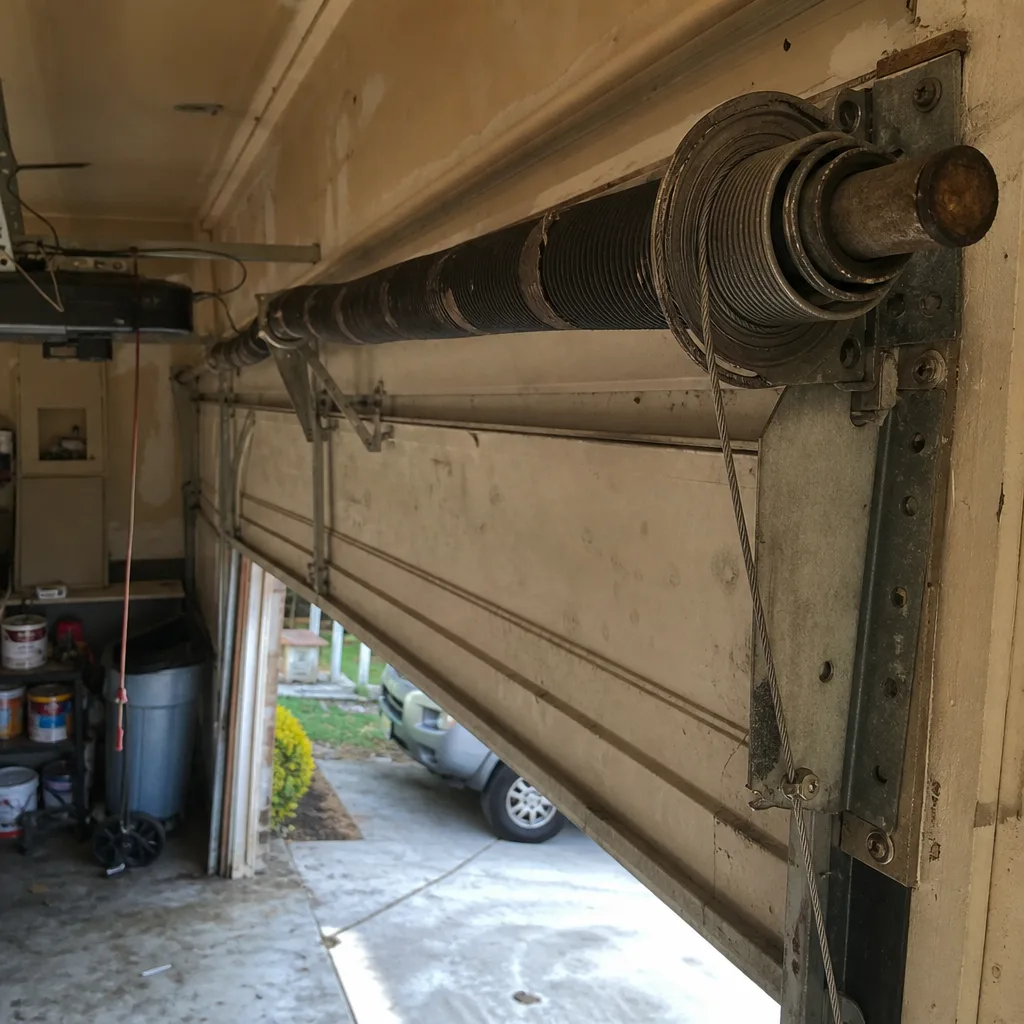 Before
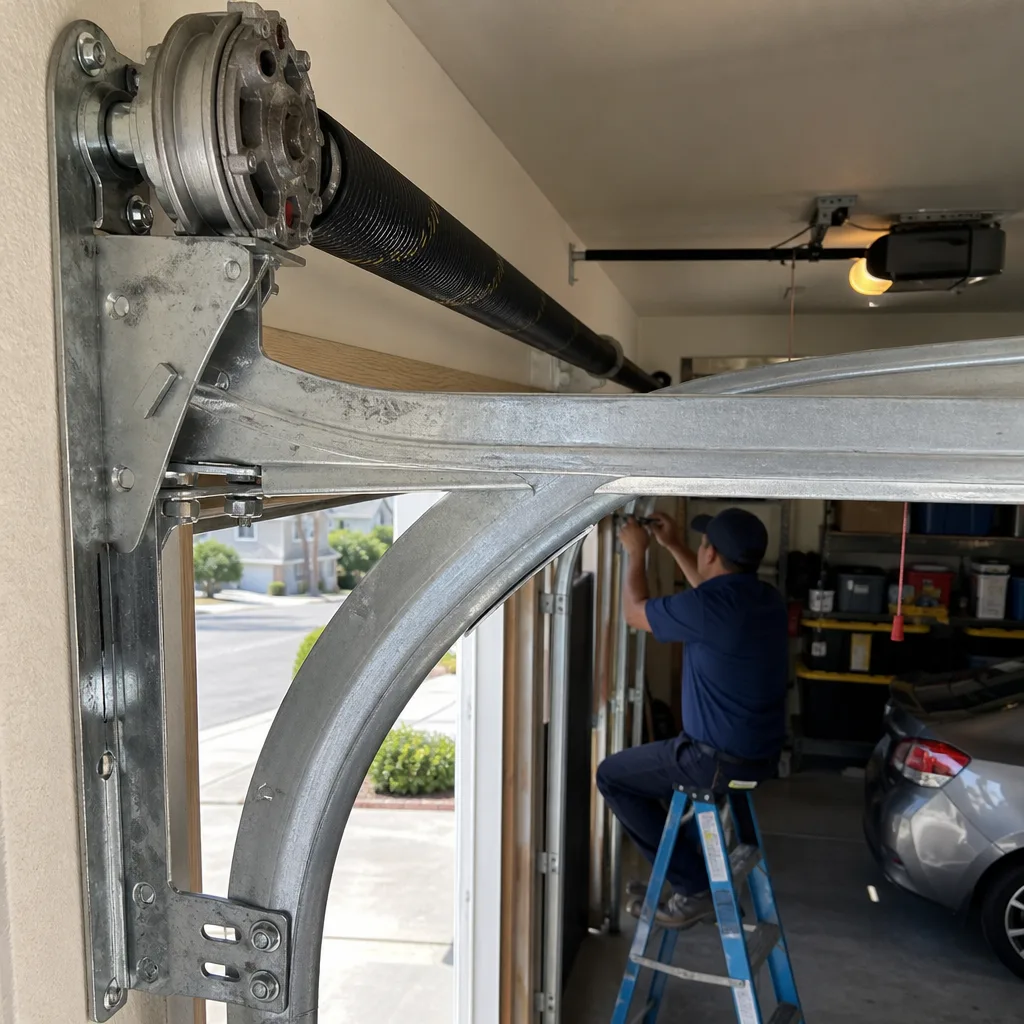 After
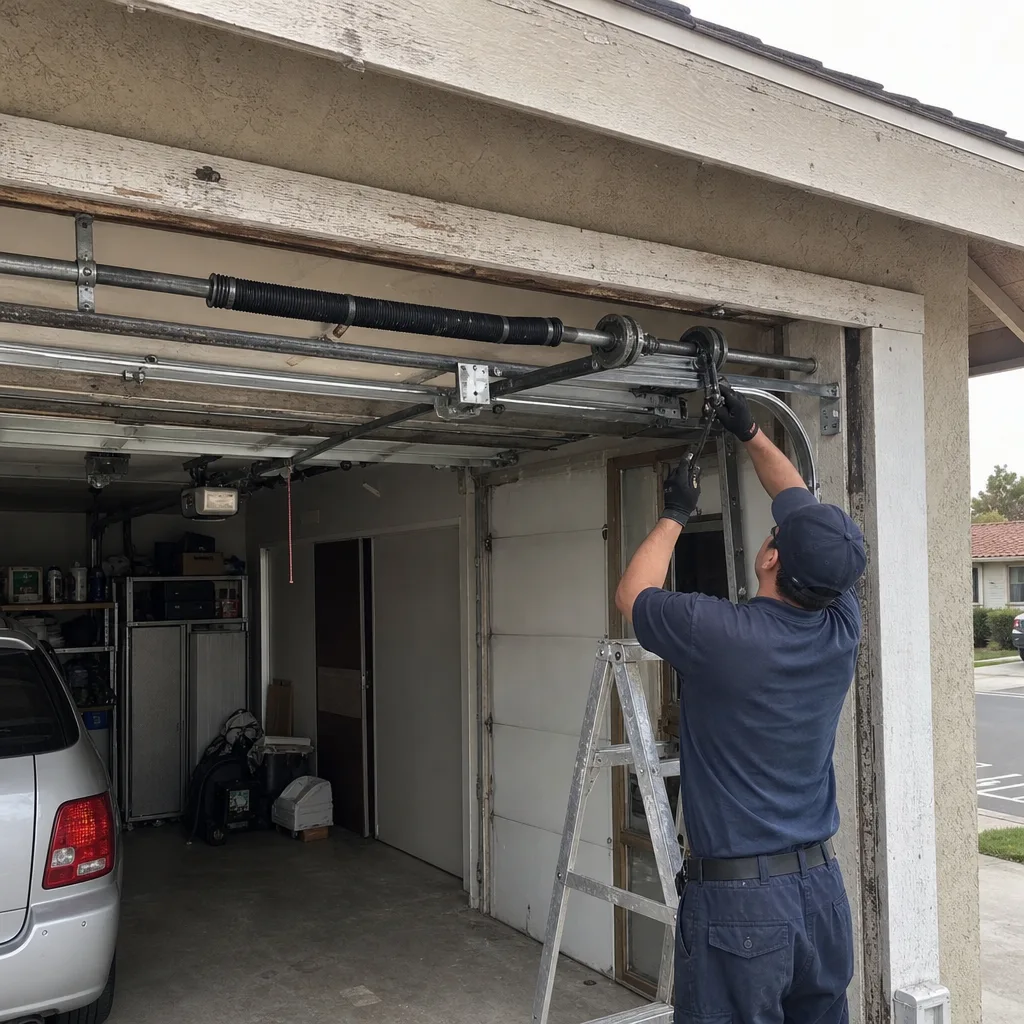 Before
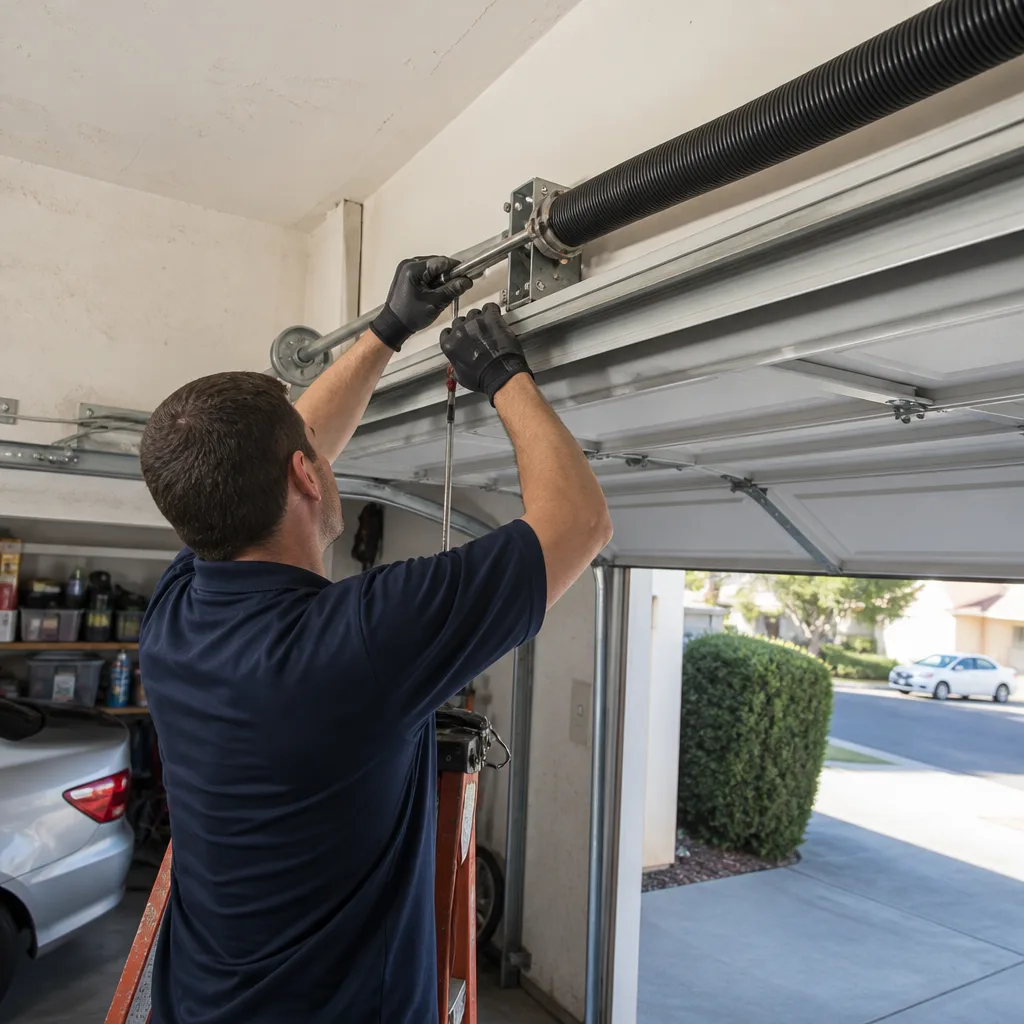 After