
Last updated October 31, 2026
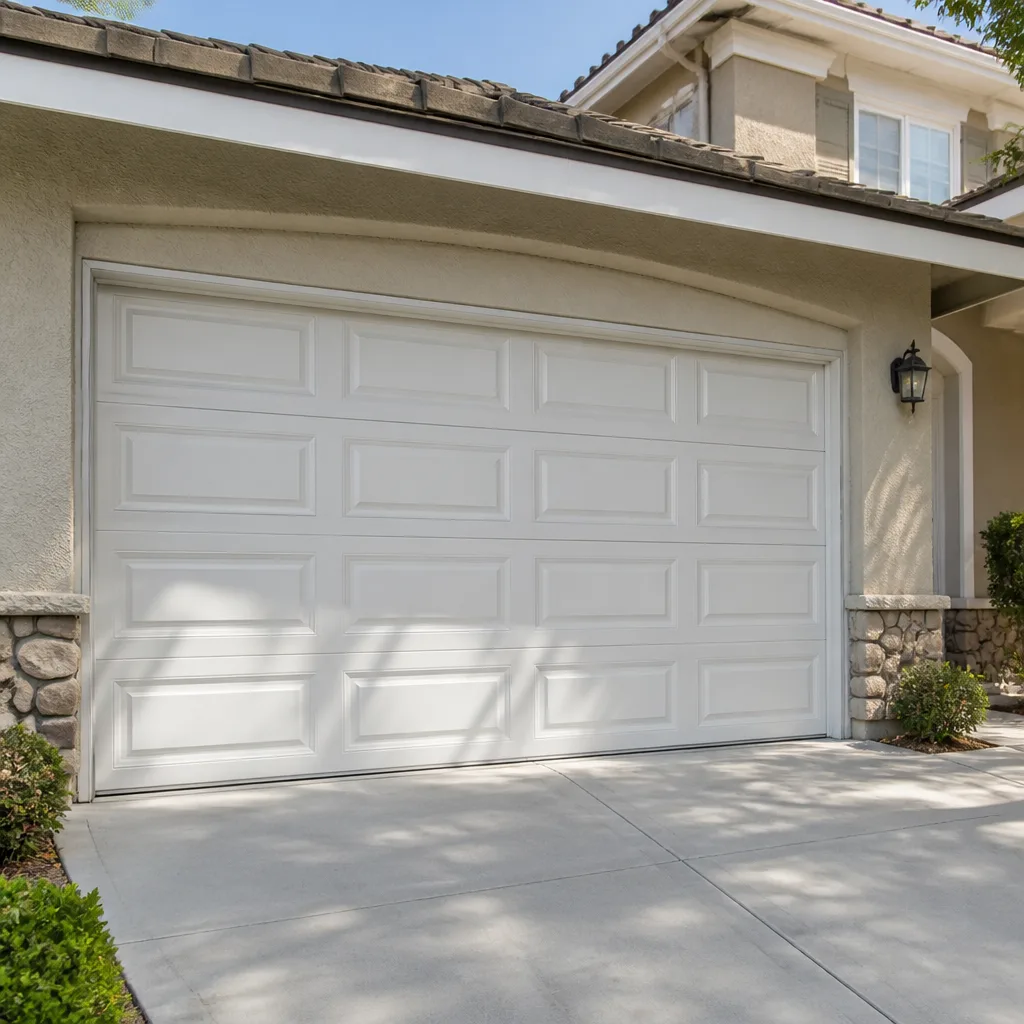 Raised-panel steel
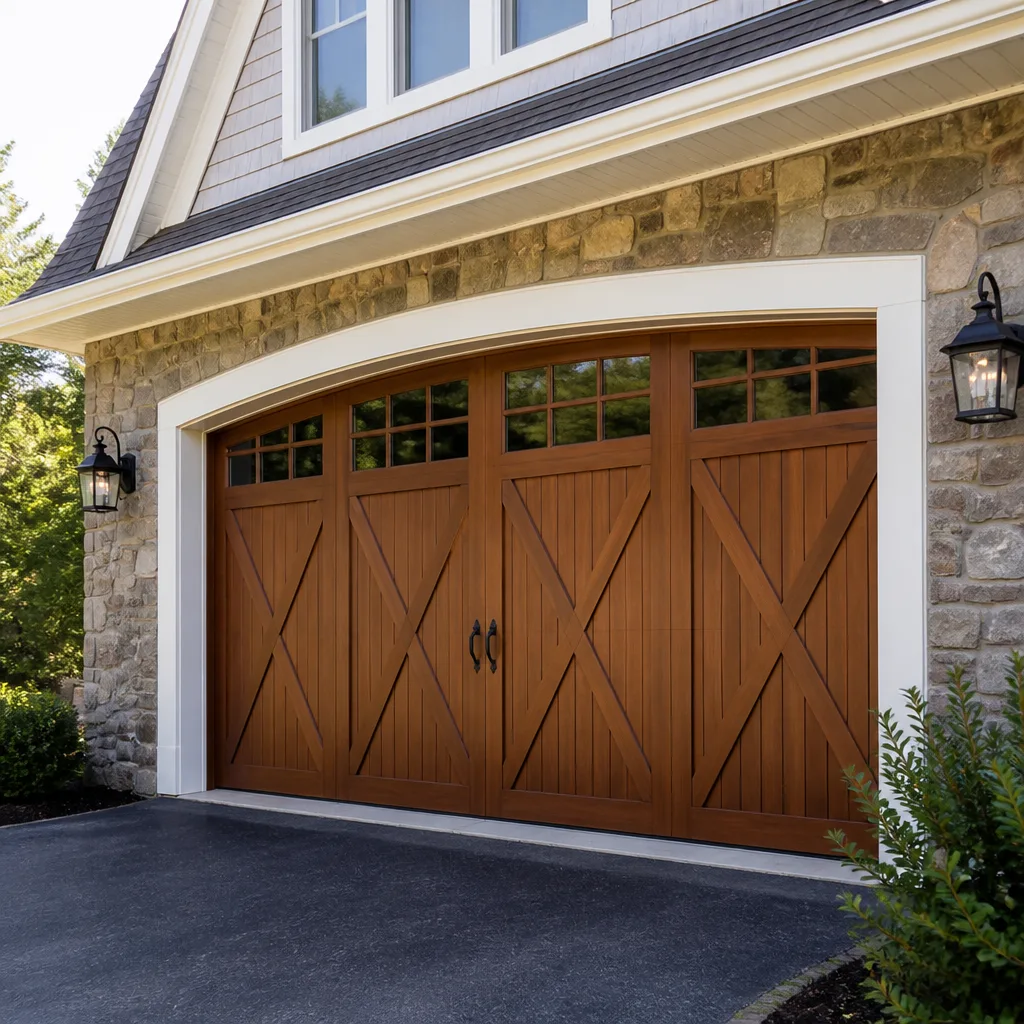 Carriage house
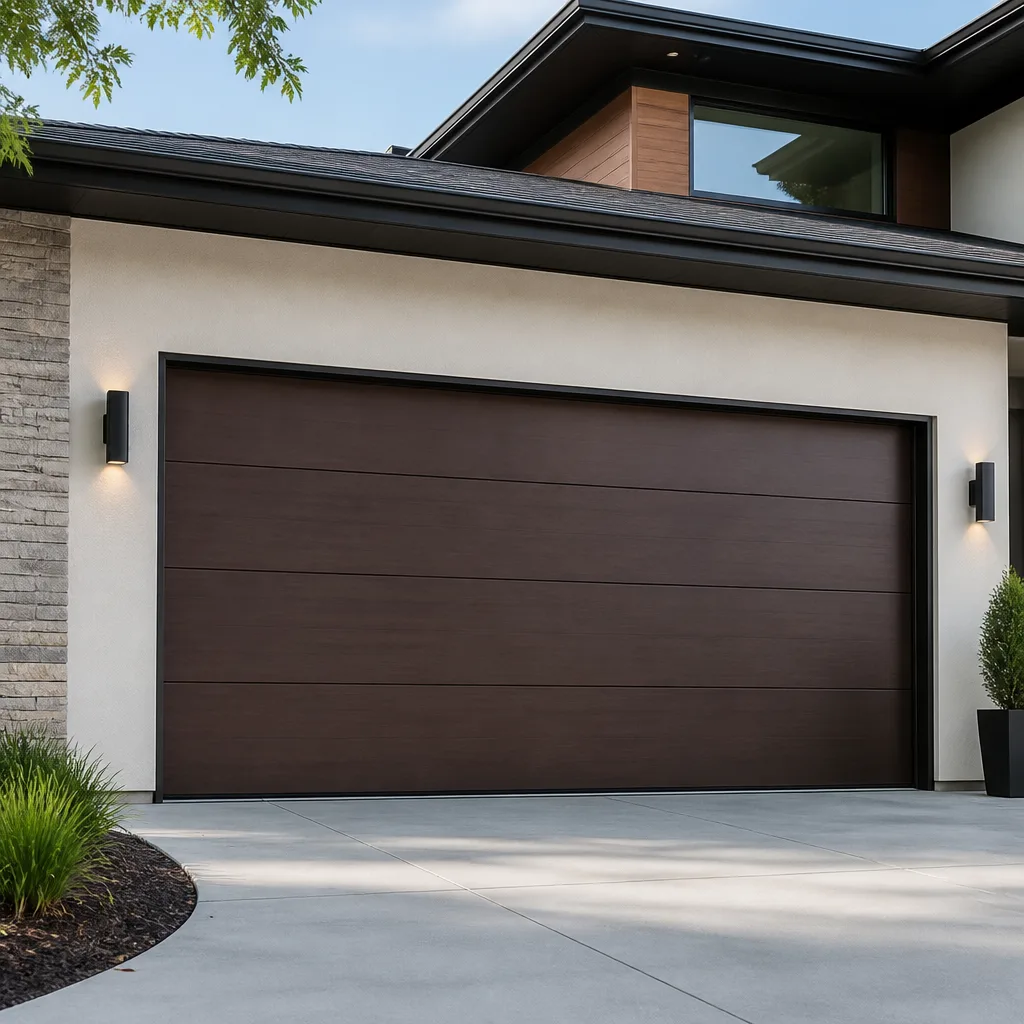 Modern flush
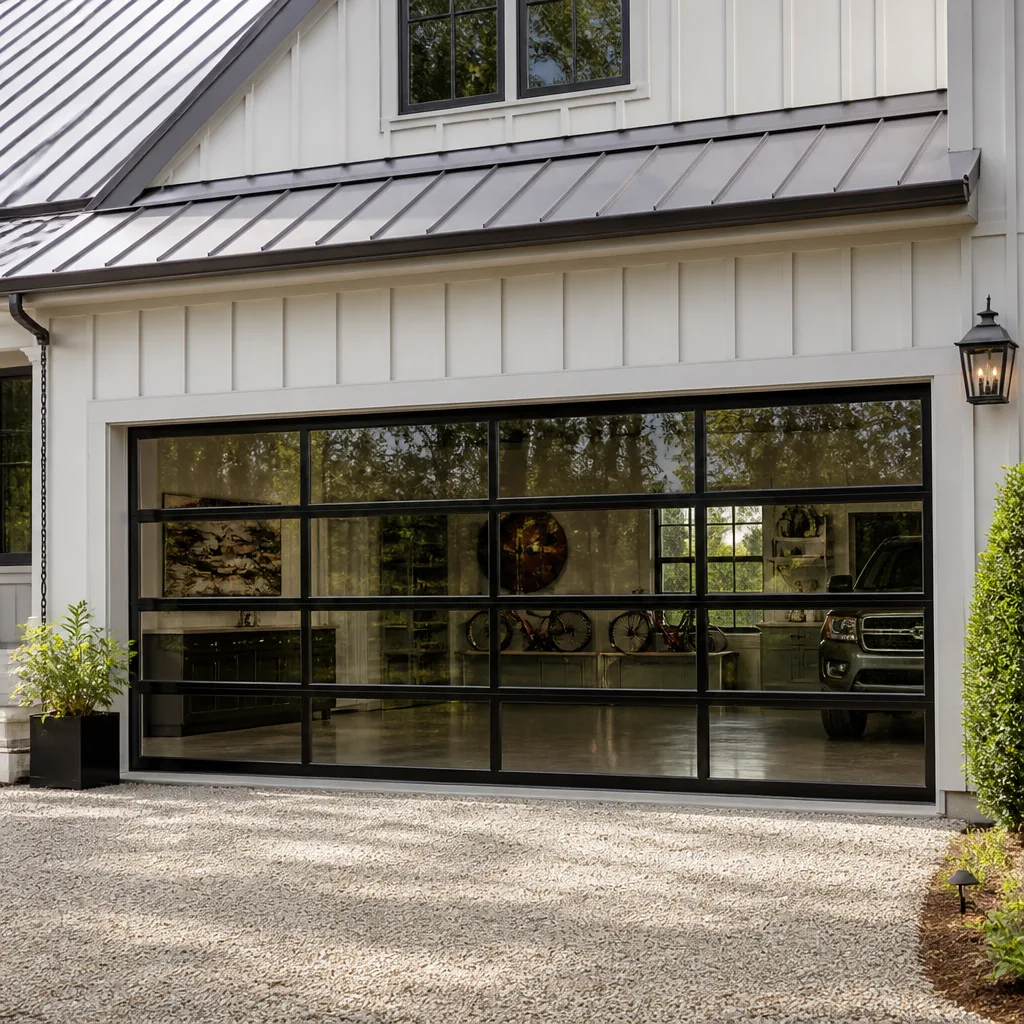 Full-view glass
 LiftMaster openers
 Chamberlain openers
Full 25-point door and opener safety check with every visit - springs, cables, rollers, tracks, and your LiftMaster or Chamberlain opener included
You get a price before we start. It does not change when the truck arrives.
Get your free estimateThe Complete Guide to Garage Door in Chula Vista
Every year, hundreds of Chula Vista homeowners pick a garage door the way they’d pick a paint color – by standing in front of a showroom display and going with what looks good. Then the marine layer does its thing. Hardware that looked fine in the catalog starts showing rust blooms within eighteen months. An HOA sends a letter about panel color that didn’t match the approved palette. The opener that was sized for a two-car door in Phoenix struggles against the extra resistance of a heavier coastal-rated door. This guide and our more guides & resources exist because those failures are predictable and avoidable. We’re going to walk through everything that actually matters when you own, repair, or replace a garage door in Chula Vista – the materials that survive salt air, the openers that hold up near the bay, the HOA and permit steps people skip, and the brand question most guides get wrong. You’ll finish with a clear mental model for making a decision that lasts ten years instead of two.
Styles & brands we work with
Quick Answer
Choosing and maintaining a garage door in Chula Vista comes down to four local factors most national guides ignore: salt-air corrosion resistance, HOA approval requirements in master-planned communities like Eastlake and Otay Ranch, the age and era of your home’s construction, and whether your door and opener are serviced by a multi-brand specialist rather than a single-brand installer. Match the door material to the coastal exposure, the style to your home’s build decade, and the opener to the door’s weight – and get any replacement pre-approved in writing before ordering.
Table of Contents
- Why Chula Vista’s Climate Changes the Garage Door Math
- HOA Approval in Eastlake, Otay Ranch, and Beyond
- Matching Your Door to Chula Vista’s Three Housing Eras
- Steel, Aluminum, Wood, or Vinyl: What Actually Survives Here
- Garage Door Openers: Sizing, Brands, and Coastal Considerations
- Permit Requirements in Chula Vista: When a Door Swap Needs Paperwork
- The Multi-Brand Advantage: Why Brand Fluency Beats Brand Loyalty
- Maintenance Schedule for Coastal Garage Doors
- Common Mistakes to Avoid
- When to Call a Professional
- Frequently Asked Questions
- The Bottom Line
Why Chula Vista’s Climate Changes the Garage Door Math
Chula Vista sits close enough to San Diego Bay and the Pacific that the marine layer is a regular visitor, especially from May through July. What that means for your garage door is simple: airborne salt and persistent humidity work on metal components year-round. A galvanized steel door with standard-grade hardware that would last twenty years in El Cajon or Santee might show visible rust on the track brackets, hinges, and spring hardware in three to five years near the western edge of Chula Vista. Homes east of the 805, in neighborhoods like Rancho del Rey or Rolling Hills Ranch, get less of the marine layer but still experience coastal humidity that inland cities don’t.
The practical takeaway is not that you need a different door. It’s that the grade of hardware matters more than the panel material. Springs, rollers, hinges, and track brackets are the parts that fail first in this environment. When you buy a new door, ask about galvanized or stainless hardware upgrades. When you repair an existing door, the question isn’t just “can you fix it” – it’s “can you fix it so it holds up near the bay.” We regularly replace rusted hinge assemblies and spring hardware on doors whose panels are still in perfectly good shape. The door wasn’t the problem. The hardware spec was.
HOA Approval in Eastlake, Otay Ranch, and Beyond
Large portions of Chula Vista fall under homeowners associations, particularly in the master-planned communities that define the eastern half of the city. Eastlake, Otay Ranch, and the Village communities all have architectural review committees that govern exterior changes, and garage doors are squarely in that category because they face the street and affect curb appeal. The process varies by association, but the pattern is consistent: you submit an application with the proposed door’s material, color, panel style, and sometimes the manufacturer’s spec sheet, and the committee responds within a set window that ranges from two weeks to forty-five days depending on the community.
Skipping this step is the single most expensive mistake we see in Chula Vista. Some HOAs have the authority to require removal of an unapproved door, which means you can pay for the door and installation once, then pay again for a compliant replacement. The sequence that works is this:
- Check your HOA’s CC&Rs or architectural guidelines for the garage door section. Most specify approved color palettes, and some specify panel style (raised panel, recessed panel, or carriage house).
- Pull the exact paint or finish code from the approved list. Don’t guess. “White” is not specific enough when the approved palette includes only Arctic White and Dove White.
- Get written approval before ordering the door. Verbal confirmation is not sufficient.
- Keep the approval letter and the manufacturer’s cut sheet together. You’ll want both if you ever sell the home.
If you’re working with a local installer who has done Chula Vista HOA replacements, they can sometimes help identify the right spec for your community. But the application itself is the homeowner’s responsibility, and the approval must be in hand before install day.
Matching Your Door to Chula Vista’s Three Housing Eras
Chula Vista’s housing stock wasn’t built all at once, and the garage doors that look right in one neighborhood look wrong in another. The city’s residential development falls into three broad eras, each with its own architectural language and door expectations.
The 1970s and 1980s tracts. Neighborhoods on the west side of Chula Vista, along with parts of the central corridor, were built during this period. Homes tend to be single-story or modest two-story ranches with shallow garages. Original doors were typically flat or shallow-raised panel steel in white or almond, and many homes still have them. If you’re replacing a door on a home from this era, a recessed panel or flush door in a warm neutral keeps the house looking like itself. A heavy carriage-house door with wrought-iron hardware looks out of place here. It’s also worth noting that older garage openings on these homes sometimes measure slightly off standard sizes, so a replacement may require minor framing adjustment.
The 1990s and 2000s master plans. Eastlake, Otay Ranch, and similar developments exploded during this window. Architecture leans Spanish Revival, Tuscan, and contemporary Mediterranean. Garage doors on these homes are often multi-panel raised designs in earth tones: tan, sandstone, terra cotta, warm gray. HOA palettes in these communities are more tightly controlled. The dominant door style for this era is the raised panel steel door with optional decorative window inserts on the top section. Matching the existing neighbor pattern matters more here than in older neighborhoods, because architectural review committees enforce visual consistency.
The 2010s and newer builds. Newer construction in eastern Chula Vista, including the ongoing Otay Ranch expansion, skews toward clean-line contemporary designs with flush panels, full-view aluminum and glass doors, or modern carriage styles with horizontal plank paneling. These homes sometimes use dark bronze or charcoal frames. If you’re replacing a door in one of these neighborhoods, you have more stylistic flexibility, but the door still needs to sit within the community’s approved palette.
The rule of thumb that works across all three eras: drive your street, note the door styles on the three closest neighboring houses, and choose something that would look natural next to them. Resale value in Chula Vista follows neighborhood fit more than personal taste.
Steel, Aluminum, Wood, or Vinyl: What Actually Survives Here
Every door material has a use case, but Chula Vista’s coastal environment narrows the field. Here’s what we’ve learned from repairing and replacing doors across the city.
Steel. The most common door material in Chula Vista for good reason: it’s strong, relatively affordable, and available in every panel style. Modern steel doors use galvanized or zinc-coated steel that resists the marine layer reasonably well, especially when the factory finish is intact. The weak point is the hardware, not the panel. For homes west of I-805 or within a mile or two of the bay, upgrade to heavier-gauge hinges and stainless or galvanized track brackets when replacing a steel door. The panels will easily outlast standard hardware. Steel is also the best substrate for HOA-approved color matching since it takes paint well.
Aluminum. Aluminum doors are lighter than steel and naturally rust-resistant, which matters near the coast. The tradeoff is dent resistance: aluminum is softer and shows impact damage more readily. Full-view aluminum and glass doors are increasingly popular on the newer contemporary homes in eastern Chula Vista. They look sharp and handle the salt air well, but the glass panels mean higher heat gain into the garage during summer, and the door itself is usually priced higher than a comparable steel panel door.
Wood. Solid wood doors are beautiful and have a presence that steel and aluminum don’t match. But they require the most maintenance of any material, and Chula Vista’s humidity accelerates the cycle. Wood doors need repainting or re-sealing every two to three years in this climate, and the bottom section is particularly vulnerable to moisture wicking from the garage slab. We see wood doors that were installed within the last decade and are already showing rot along the bottom rail. If you want the look of wood without the upkeep, a steel door with a high-quality woodgrain finish is the better choice for most Chula Vista homes. Genuine wood makes sense if you’ve already committed to a regular maintenance schedule and have covered or recessed garage exposure.
Vinyl and composite. Vinyl doors resist dents and never rust, but the panel style options are limited and the color selection skews white and almond. Composite doors blend wood-like appearance with better weather resistance than natural wood, and they perform well in Chula Vista if the budget allows. The main constraint with both vinyl and composite is HOA compatibility: some architectural committees in Eastlake and Otay Ranch only approve steel doors with specific panel profiles, so check your community’s guidelines before falling in love with a composite product.
Garage Door Openers: Sizing, Brands, and Coastal Considerations
The opener is the mechanical heart of your garage door system, and in Chula Vista it has two jobs: lift the door reliably and survive an environment where salt air and humidity are constant. Getting the opener right means matching the motor’s lifting capacity to the actual weight of your door, choosing a drive type that suits your home, and making sure the opener is compatible with the door’s brand and configuration.
The sizing question trips up more homeowners than anything else. A lightweight aluminum door needs less muscle than a double-layer insulated steel door of the same size. An 8-foot-tall door needs more than a 7-foot-tall door. A door with insulated glass panels is heavier than a standard raised-panel door. When an opener is undersized, the motor strains on every cycle, the gear wears prematurely, and the opener usually fails within a few years. When an opener is properly sized, it can run for a decade or more with little attention beyond annual lubrication.
On the brand question, we service openers from LiftMaster, Chamberlain, and Genie most frequently in Chula Vista, and our position is simple: we work on the brand you already have. That matters because a lot of homeowners call after being told by a big-box installer that their existing opener “can’t be repaired” and they need a whole new system. Sometimes that’s true – a fifteen-year-old opener with a burned-out motor is at the end of its life. But often it isn’t. A broken gear, a failing capacitor, a bad logic board, or a misaligned safety sensor are all repairable parts on most major brands. If you have a LiftMaster, Chamberlain, or Genie opener that’s acting up, the repair path is usually cheaper than replacement and extends the life of the system you already own. Our Garage Door Opener Repair in Chula Vista page covers the most common failure modes in detail.
Belt-drive openers are the quietest and most popular choice for attached garages where the master bedroom sits above or adjacent to the garage. Chain-drive openers are louder but more economical. Screw-drive openers, once common, are less frequently installed now but still show up on older homes in Chula Vista’s west-side neighborhoods. For coastal exposure, the external safety sensors and the logic board are the components most sensitive to humidity, so keep the sensors clean and make sure the opener’s housing isn’t corroded.
Permit Requirements in Chula Vista: When a Door Swap Needs Paperwork
Replacing a garage door in Chula Vista is usually a straightforward swap that does not require a building permit, provided the opening size isn’t changing and you’re not modifying structural framing. The City of Chula Vista building department treats a like-for-like door replacement on the existing opening as a standard repair or replacement. The work still needs to meet current code for things like wind load and safety sensor requirements, but no separate permit is typically required.
Where a permit does enter the picture:
- Enlarging or widening the garage door opening, which requires structural review and a plan set.
- Converting a garage to living space or installing a wall where the door used to be.
- Changing the header or removing structural framing above the door.
- Installing a new door opening on a garage addition or detached garage structure that’s part of a larger permitted project.
The simpler way to think about it: if the hole in the wall stays exactly the same size and shape, you’re in like-for-like territory. If the opening changes, you’re in permit territory. Some HOAs in Chula Vista require the city permit to be closed out before they’ll release final approval for the architectural change, so the two processes sometimes interlock. When in doubt, ask your installer whether the work is like-for-like, and confirm with the city’s permit counter if you’re changing anything structural. For a detailed walkthrough of the replacement process, our Garage Door Installation in Chula Vista page covers it step by step.
The Multi-Brand Advantage: Why Brand Fluency Beats Brand Loyalty
Here’s a fact about the garage door industry that most homeowners never hear: the company that sells you a door is often tied to a single manufacturer through a dealer agreement. That’s not inherently bad, but it shapes every recommendation they make. If a company only sells Brand X, then the solution to every problem will look like a Brand X door.
We take the opposite approach. Chelsea Garage Door Service is trained on eight of the most widely installed garage door and opener brands in North America – including LiftMaster, Chamberlain, Genie, Clopay, Amarr, Wayne Dalton, Craftsman, and Raynor. That matters for two practical reasons. First, when you call with a repair need, we’re fluent in the system you already own. We’re not trying to convince you that your Clopay door is obsolete because we’d rather sell you a different brand. We diagnose the door and the opener on their own terms. Second, when you do need a replacement, the recommendation is driven by what fits your home, your HOA requirements, and your budget – not by which manufacturer gives us the best dealer margin.
This also means one call covers both halves of the system. Garage doors and garage door openers are technically separate products from different manufacturers in most cases, and some companies only handle one or the other. A technician who understands how a LiftMaster opener interfaces with a Wayne Dalton door, and how both respond to Chula Vista’s coastal conditions, can diagnose a full system problem in one visit instead of scheduling two separate contractors. That’s the entire reason our name ends with the word “Service” – ongoing repair and maintenance is the core of what we do, not an afterthought to installation sales. Garage doors are all we do, and we work on the brand you already have. For a deeper look at how that plays out on repair calls, see our Garage Door Repair in Chula Vista page.
Maintenance Schedule for Coastal Garage Doors
In Chula Vista, the garage door maintenance calendar is driven by the marine layer. Here’s a schedule that keeps a door and opener in good shape for years, organized by frequency.
Monthly (5 minutes): Wipe down the safety sensors at the bottom of the track with a dry cloth. In this climate, condensation builds on the lenses and eventually triggers phantom reversals. Check that the door travels smoothly and listen for new grinding or scraping sounds. Watch one full open and close cycle.
Every 6 months (15 minutes): Inspect the rollers, hinges, and track brackets for rust. On homes west of I-805, surface rust can appear in as little as six months on standard hardware. Check the weatherstripping along the bottom of the door for cracking or gaps. Test the auto-reverse function by placing a roll of paper towels under the door and closing it; the door should reverse on contact.
Every 12 months (30 minutes): Lubricate the rollers, hinges, and springs with a silicone-based garage door lubricant. Avoid WD-40 – it’s a solvent, not a lubricant, and it actually accelerates wear. Inspect the opener’s drive belt or chain for tension and wear. Check the door’s balance by disconnecting the opener and lifting the door manually; it should stay put when halfway open.
Every 2 to 3 years: If you have a wood door, sand and re-seal or repaint the bottom section. This is the part that fails first in Chula Vista’s humidity. If you have a steel door, check the bottom edge for the first signs of rust and touch up with a matching exterior paint.
One note on safety: the torsion springs above the door hold enormous tension and should not be lubricated or adjusted by a homeowner. A spring under load can cause serious injury. Spring inspection and replacement is a professional job, full stop.
Common Mistakes to Avoid
- Choosing a door before checking the HOA palette. In Eastlake and Otay Ranch, the approved color list may be a dozen specific shades, and your preferred “white” might not be on it. You don’t want to discover that after installation. Get the approval letter before you order.
- Picking a single-layer steel door for an attached garage. Single-layer doors transmit heat and noise. In a Chula Vista summer, an uninsulated steel door facing west can make the garage unbearably hot and radiate that heat into the house. An insulated double-layer or triple-layer door is worth the cost.
- Skipping the hardware upgrade on a coastal door. The panels will survive, but standard hinges and brackets near the bay will rust in a few years. Ask for galvanized or stainless hardware if you’re within a couple miles of the water.
- Replacing the opener when the real problem is the door. If the door is out of balance or the rollers are worn, a new opener will strain and fail early. Diagnose the whole system before spending on a new motor.
- Assuming a same-size door swap always avoids permits. Like-for-like is usually permit-free, but if the opening needs any framing adjustment, even a few inches, the rules change. Ask before the work starts.
- Mixing eras on door style. A modern carriage-house door on a 1978 ranch house looks like a costume. Match the door to the home’s build decade and the neighbor pattern, and you’ll protect resale value.
- Lubricating the torsion springs yourself. The springs are under lethal tension. This is not a DIY zone. A professional inspection takes ten minutes and costs a small fraction of a hospital bill.
When to Call a Professional
Some garage door problems are obvious enough that a professional is the only sane option: a snapped torsion spring, a cable that’s come off the drum, a door that’s fallen out of balance and won’t stay open, or an opener that trips the breaker every time it runs. If the door is making a sound like a gunshot and won’t move, that’s the spring, and it’s not a DIY repair under any circumstances. For help deciding when to call a pro, see our DIY vs Professional Garage Door: The Chula Vista Homeowner’s Decision Guide. The tension involved can cause serious injury or death if mishandled.
Other situations are less dramatic but still deserve an expert eye: a door that shudders on the way up, a grinding noise that’s getting progressively worse, a door that reverses for no visible reason, or rust damage spreading through the track hardware. These are all diagnosable problems that get more expensive the longer they’re ignored. Chelsea Garage Door Service offers free estimates in Chula Vista – call (877) 626-0097 to schedule a diagnostic visit. We’ll tell you what’s actually wrong, what it costs to fix, and whether repair or replacement makes more financial sense. No guesswork, and no push toward a new door unless the old one has genuinely reached the end of its service life.
Frequently Asked Questions
A new garage door in Chula Vista typically costs between $1,200 and $3,800 installed, depending on the material, size, insulation level, and panel style. For a detailed breakdown, see our Garage Door Cost Breakdown: The Chula Vista Homeowner’s Reference for 2026. A basic single-layer steel door starts at the lower end. A double-layer or triple-layer insulated steel door in an HOA-approved color and panel profile lands in the middle range. Full-view aluminum and glass doors or high-end composite doors run toward the top. The exact number depends on your specific opening size and material choice, and the price is always quoted and agreed before any work starts. Call (877) 626-0097 for a free written estimate based on your actual door dimensions.
Yes, a single diagnostic visit from Chelsea Garage Door Service covers both the door mechanics and the opener system, because garage doors are all we do and we work on the brand you already have. We service LiftMaster, Chamberlain, Genie, Clopay, and other major brands, so the technician can diagnose a door problem and an opener problem without scheduling a second contractor. The estimate includes everything we find, itemized, before any repair work begins.
If your home is in an HOA-governed community like Eastlake, Otay Ranch, or one of the Village neighborhoods, the answer is almost certainly yes. The architectural committee sets approved colors, panel styles, and sometimes materials, and you need written approval before ordering the door. The exact process varies by association, but the common thread is that verbal confirmation doesn’t count and post-installation approval doesn’t exist. Check your CC&Rs first and factor the review window into your timeline.
Yes, and the effect concentrates on hardware rather than panels. Homes within a couple miles of the bay and west of I-805 see accelerated rusting on hinges, track brackets, and spring hardware even when the door panels look fine. The practical fix is a hardware upgrade to galvanized or stainless components when you replace the door, plus a six-month rust inspection routine. The panels are rarely the part that fails first in this climate.
A standard like-for-like garage door replacement in Chula Vista usually takes one day, including removal of the old door, installation of the new door, and connection to the existing opener. If the opener is being replaced at the same time, or if the old door has framing that needs adjustment, the job may run longer. Installation is scheduled work – we provide a free measure and a written price first, and the installation date is set after you approve the quote.
No. The price we quote before starting work is the price you pay, unless you ask us to do something different during the job. For installations, that means a free measure and a written price before scheduling. For repairs, the diagnostic visit identifies the problems, and the repair quote is itemized and agreed before any parts are ordered or any work begins. If an unforeseen issue is found during the repair, we stop and discuss it before proceeding.
The Bottom Line
The garage door decision in Chula Vista is not just about aesthetics. It’s about salt-air corrosion, HOA compliance, home-era appropriateness, and the long-term cost of owning a system that gets used every day. The homeowners who get it right share a few habits: they check the HOA palette before ordering, they upgrade the hardware on coastal doors, they size the opener to the actual door weight, and they work with a multi-brand specialist rather than a single-brand seller. They also keep our Garage Door Emergency Preparedness Guide for Chula Vista Homes in mind before problems strike. The homeowners who get it wrong usually skip one of those steps and pay for it within two years. We built Chelsea Garage Door Service to make the right choice easier – free estimates, straight answers, and no pressure to replace a door we can repair. If you’re anywhere in Chula Vista, start with a call to (877) 626-0097 and we’ll take it from there.
Written by the team at Chelsea Garage Door Service, serving Chula Vista since 2014. Our technicians are trained on LiftMaster, Chamberlain, Genie, Clopay, Amarr, Wayne Dalton, Craftsman, and Raynor systems, and handle the full lifecycle of your garage door: repair, opener repair, and new installation. Start at our Chelsea Garage Door Service home page or call (877) 626-0097 for a free estimate.
See the difference
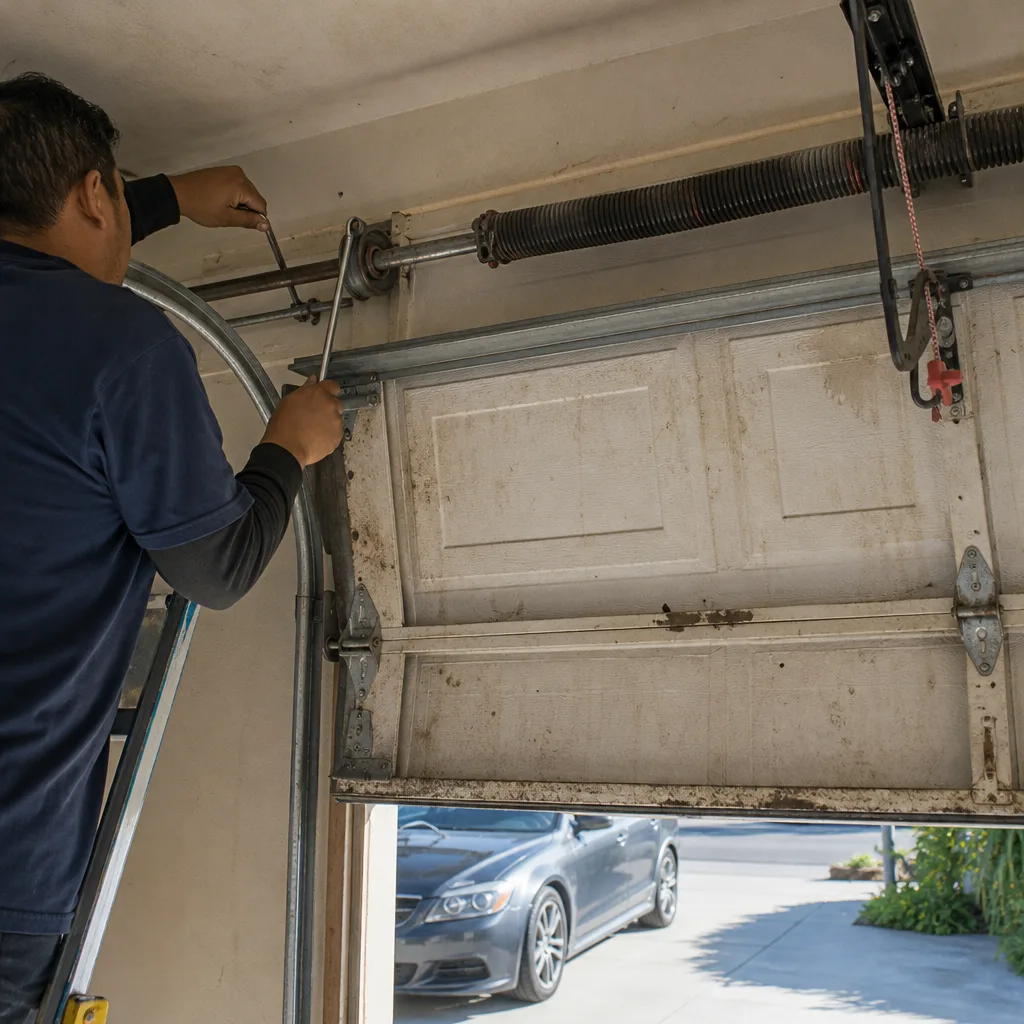 Before
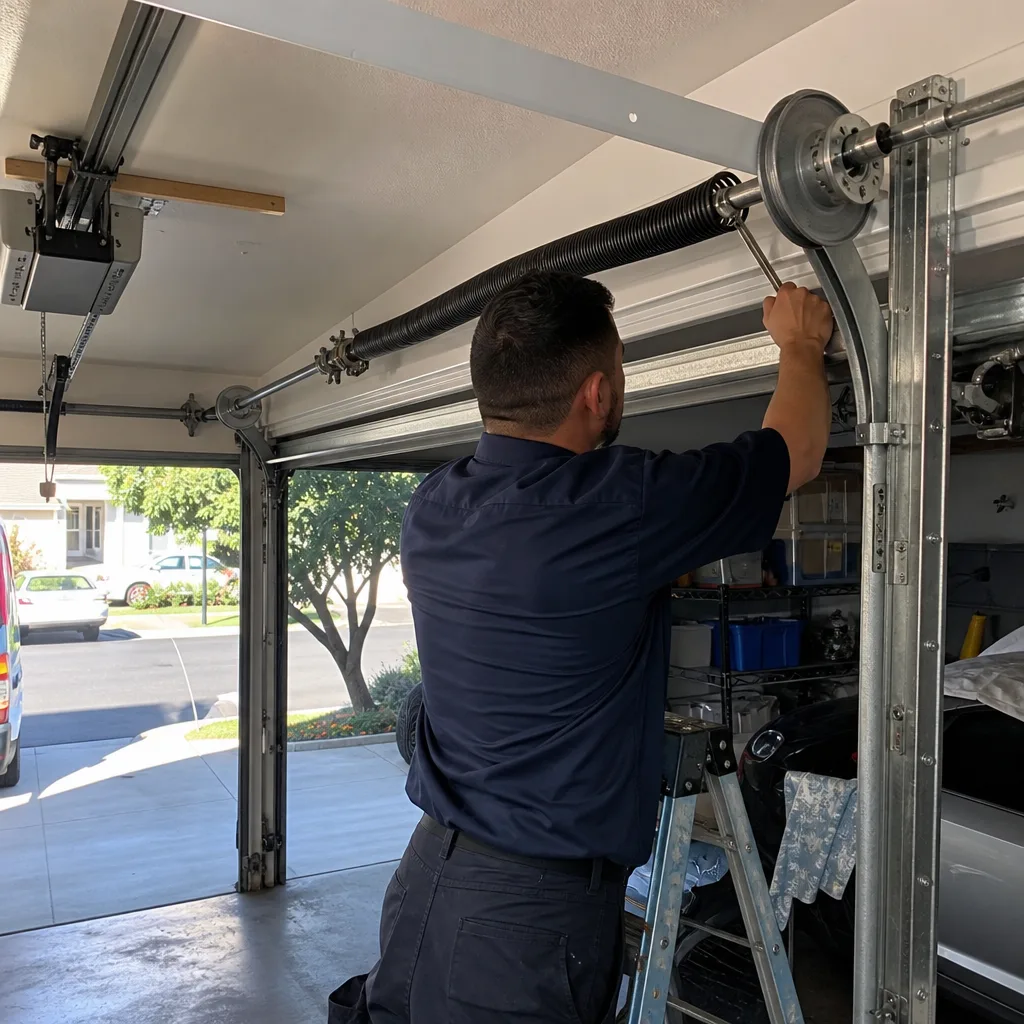 After
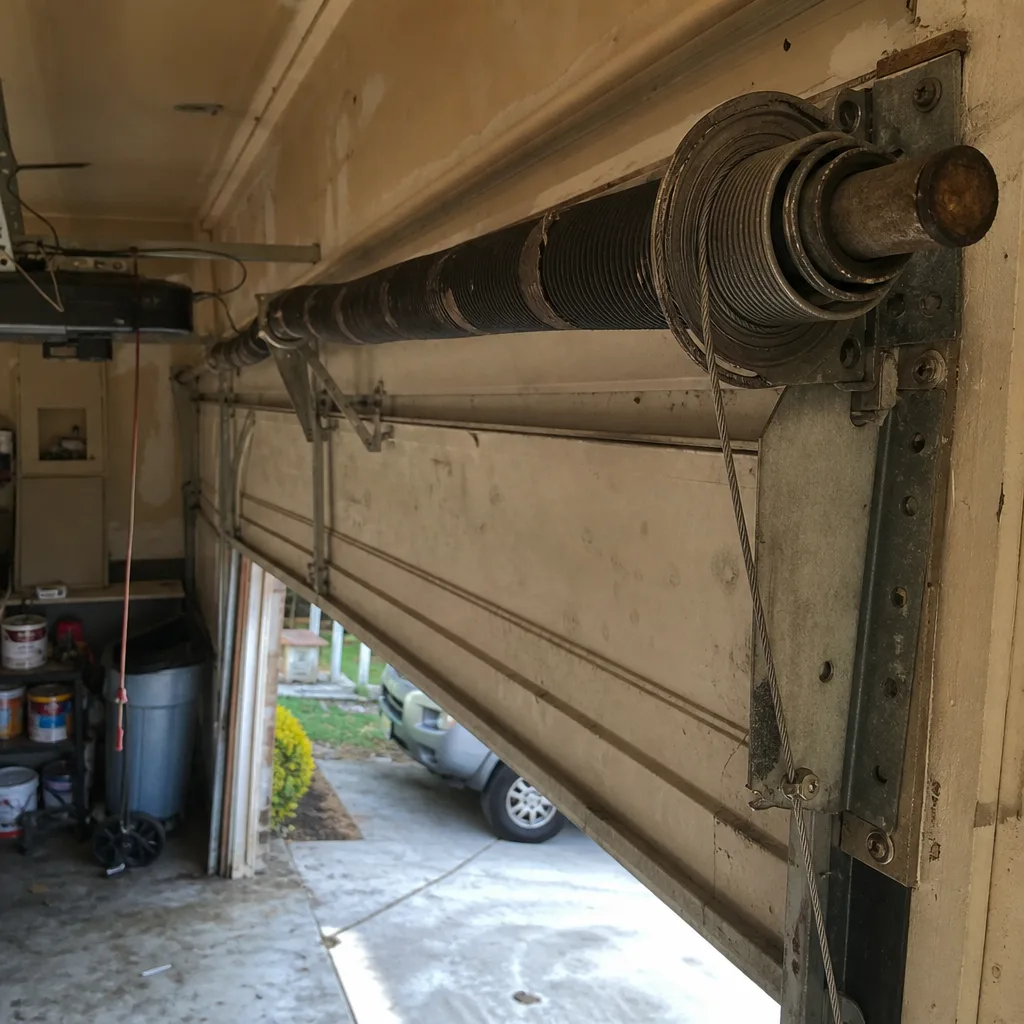 Before
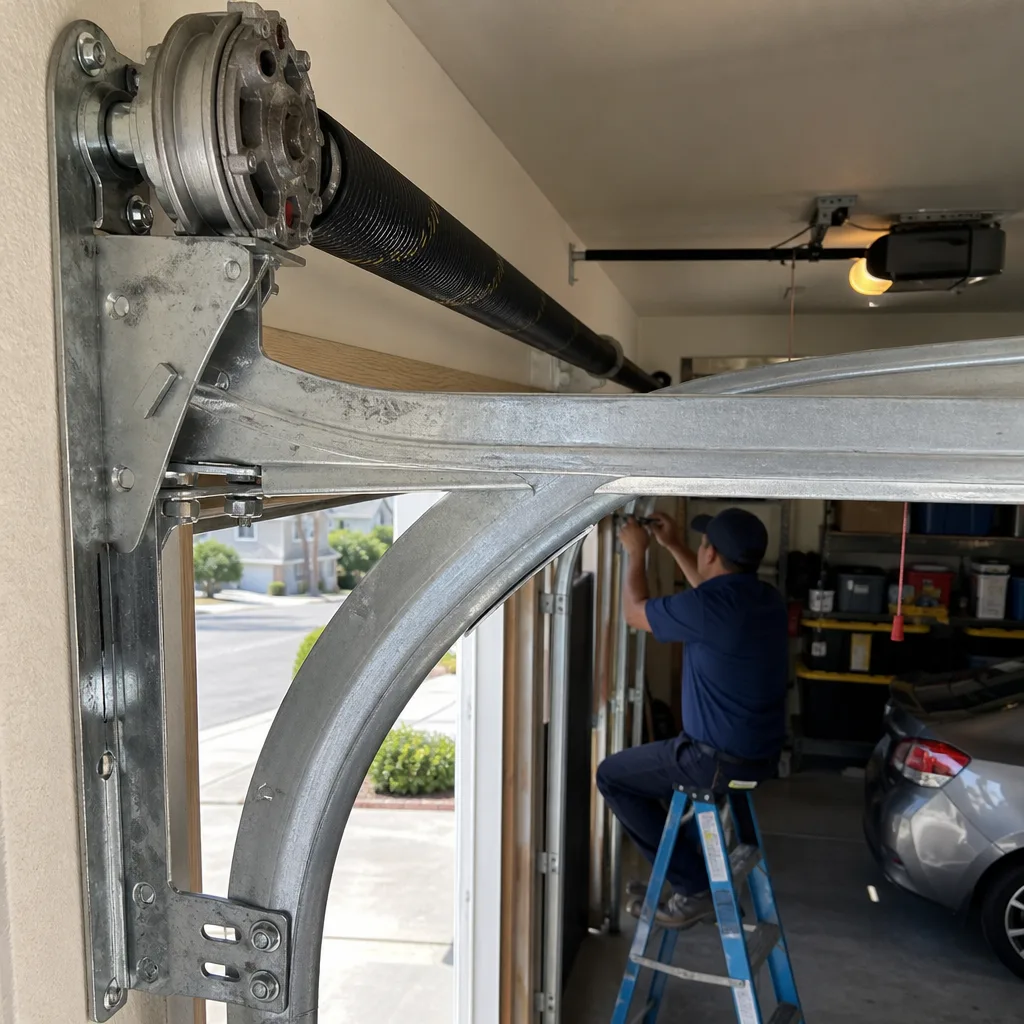 After
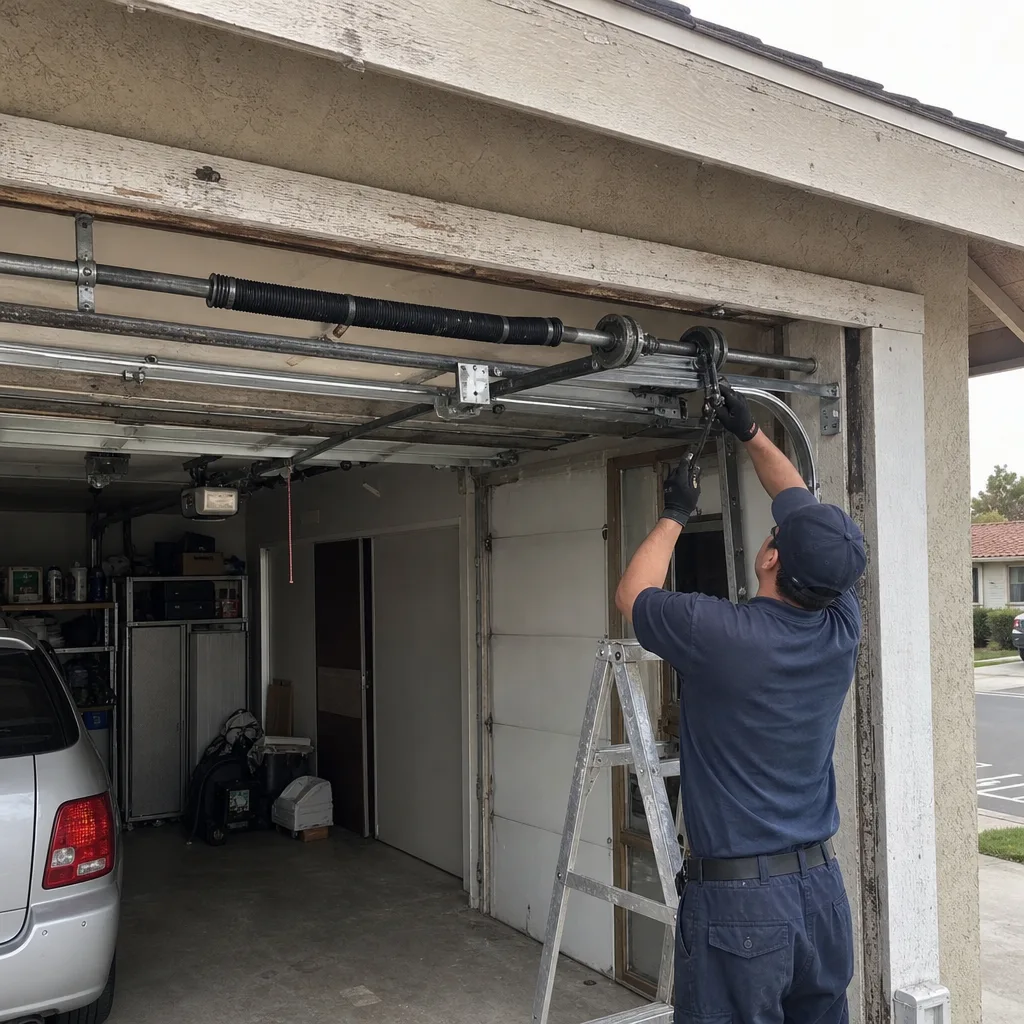 Before
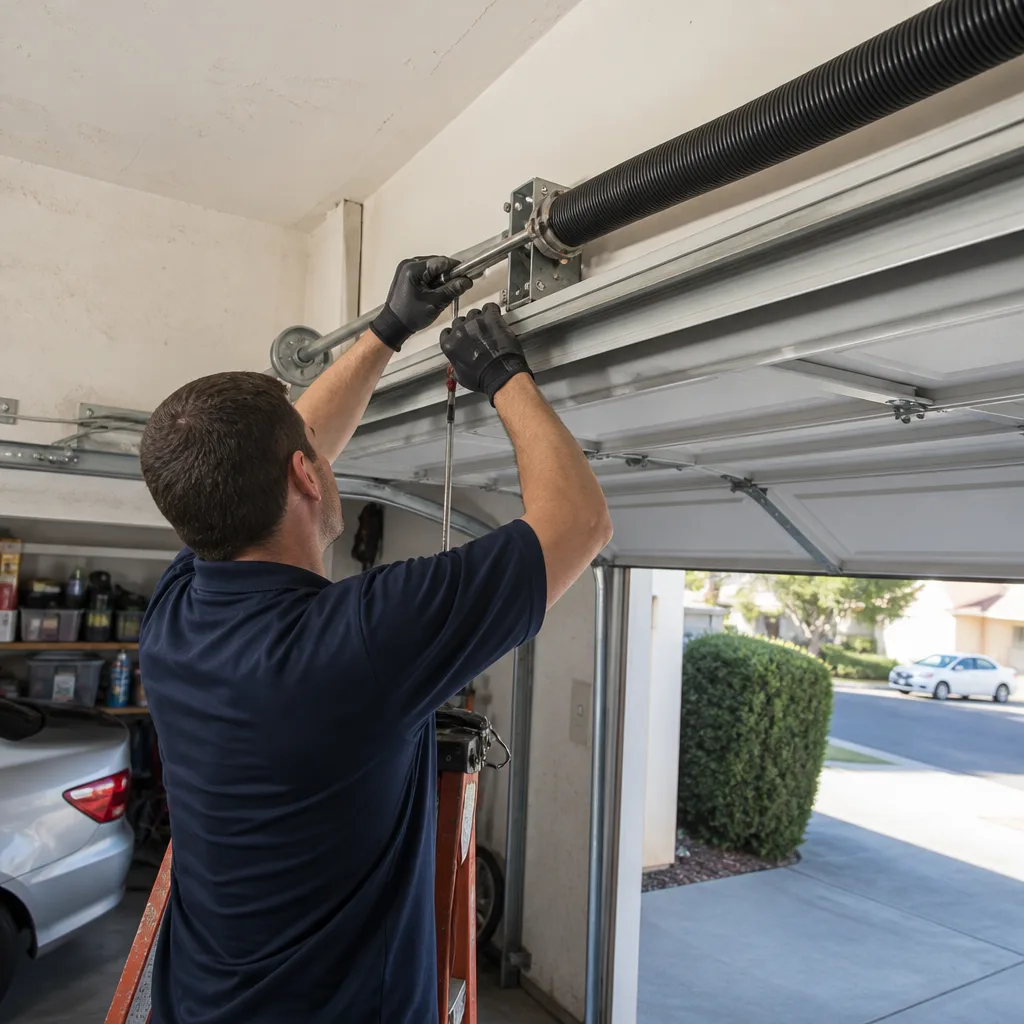 After