
Last updated October 31, 2026
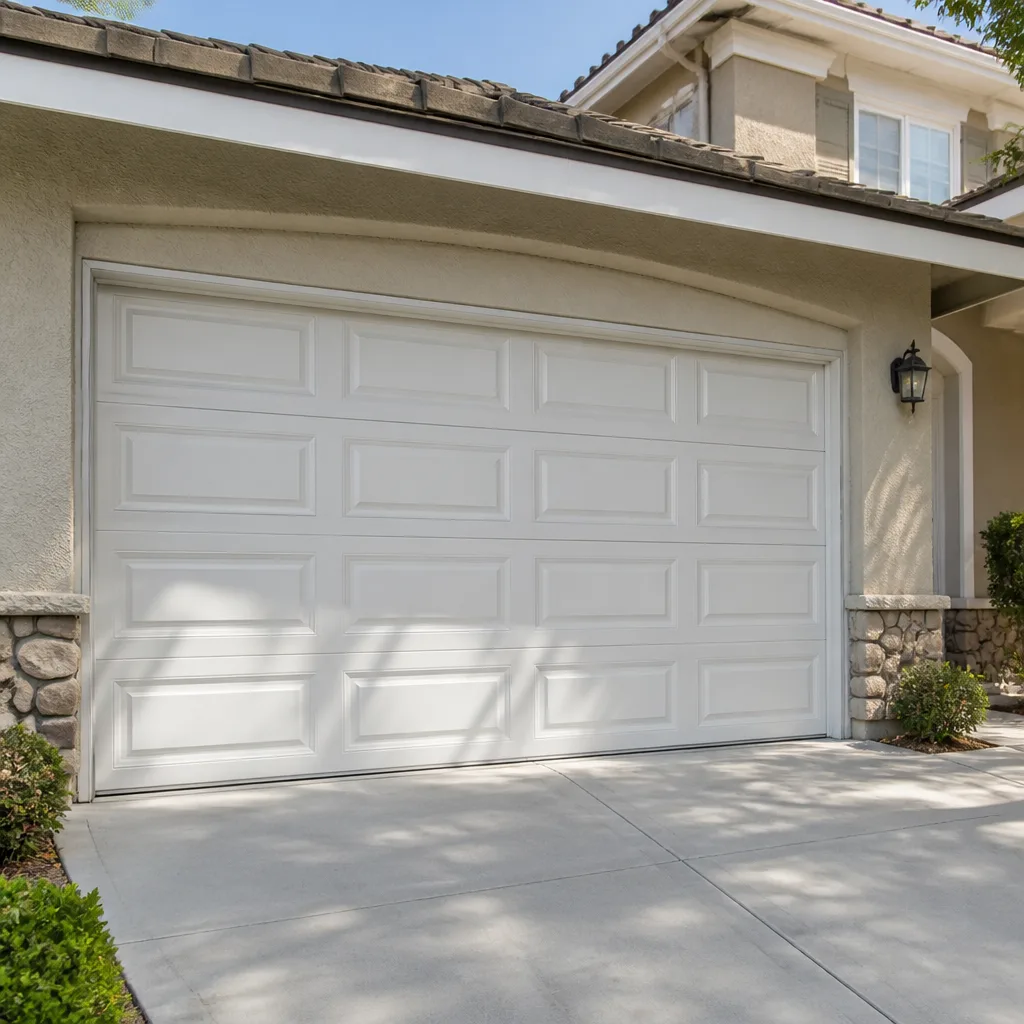 Raised-panel steel
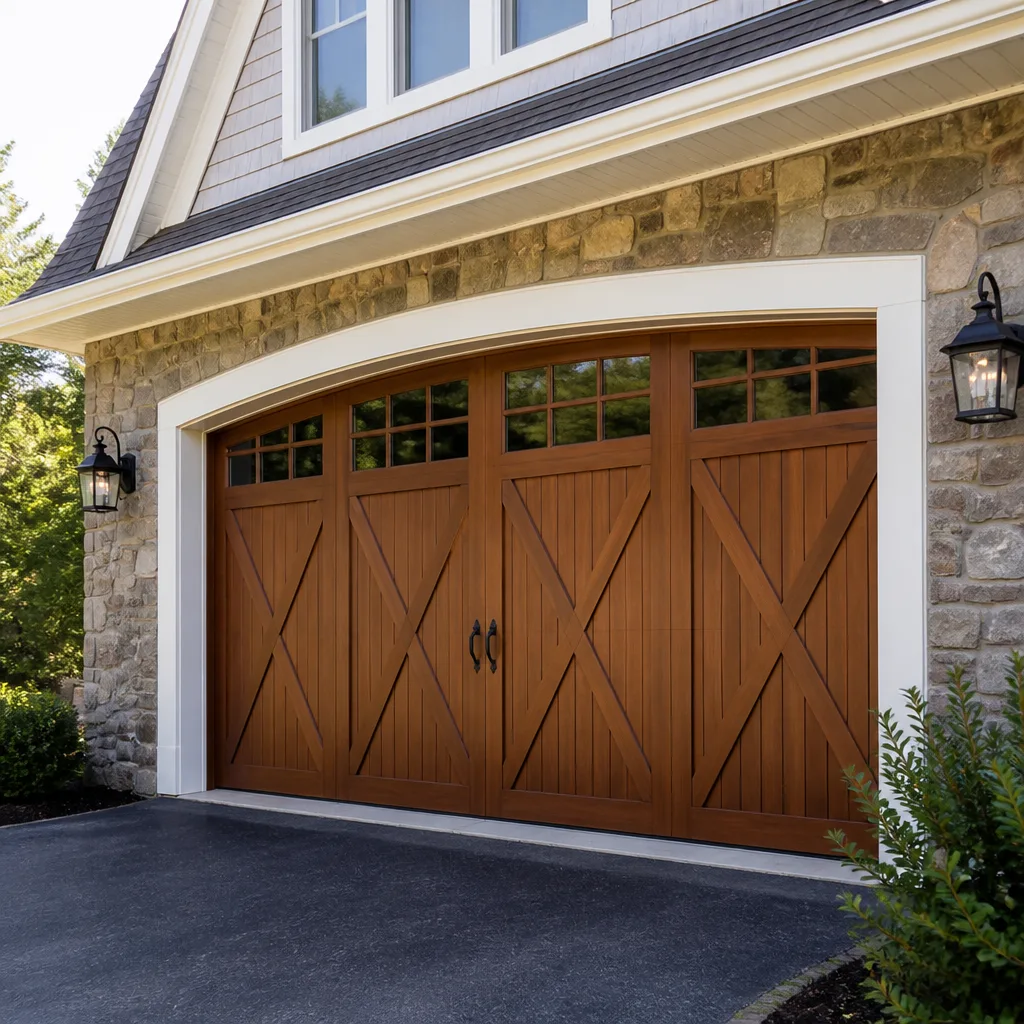 Carriage house
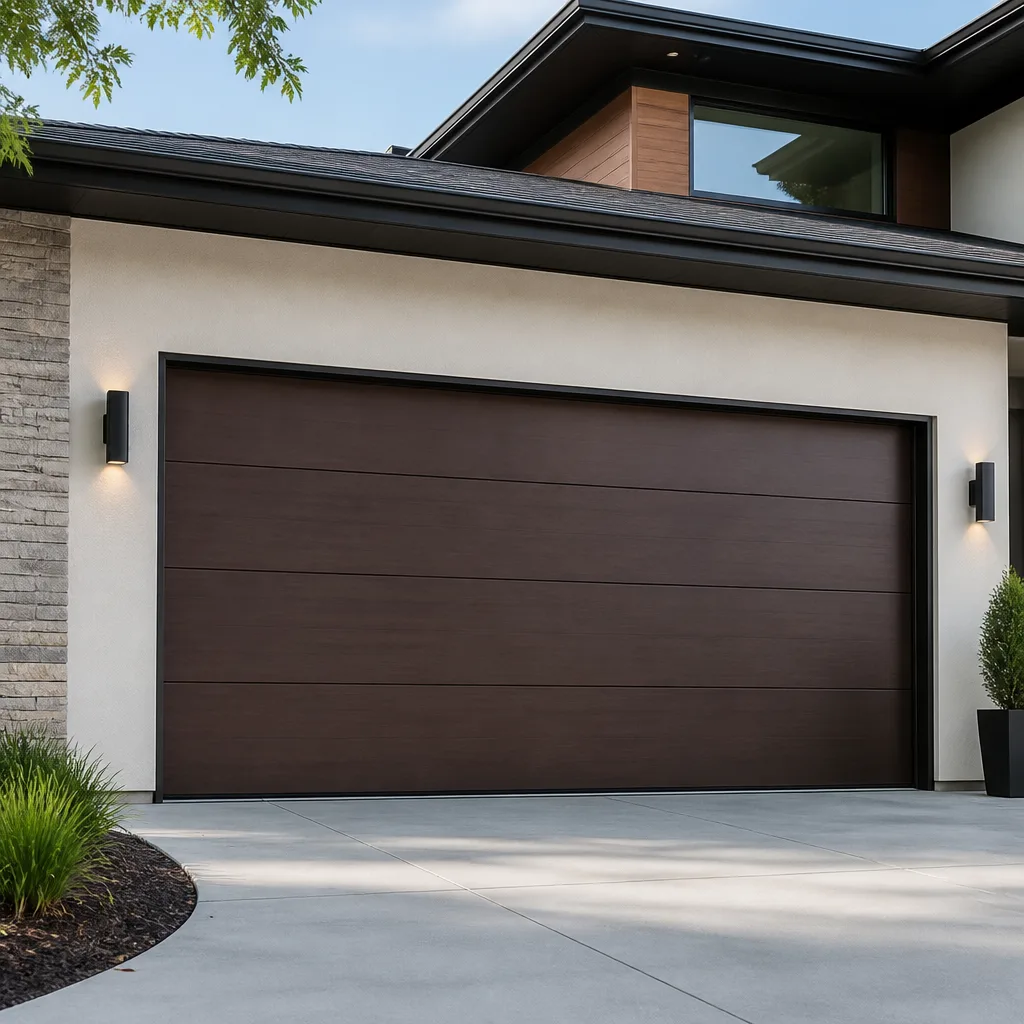 Modern flush
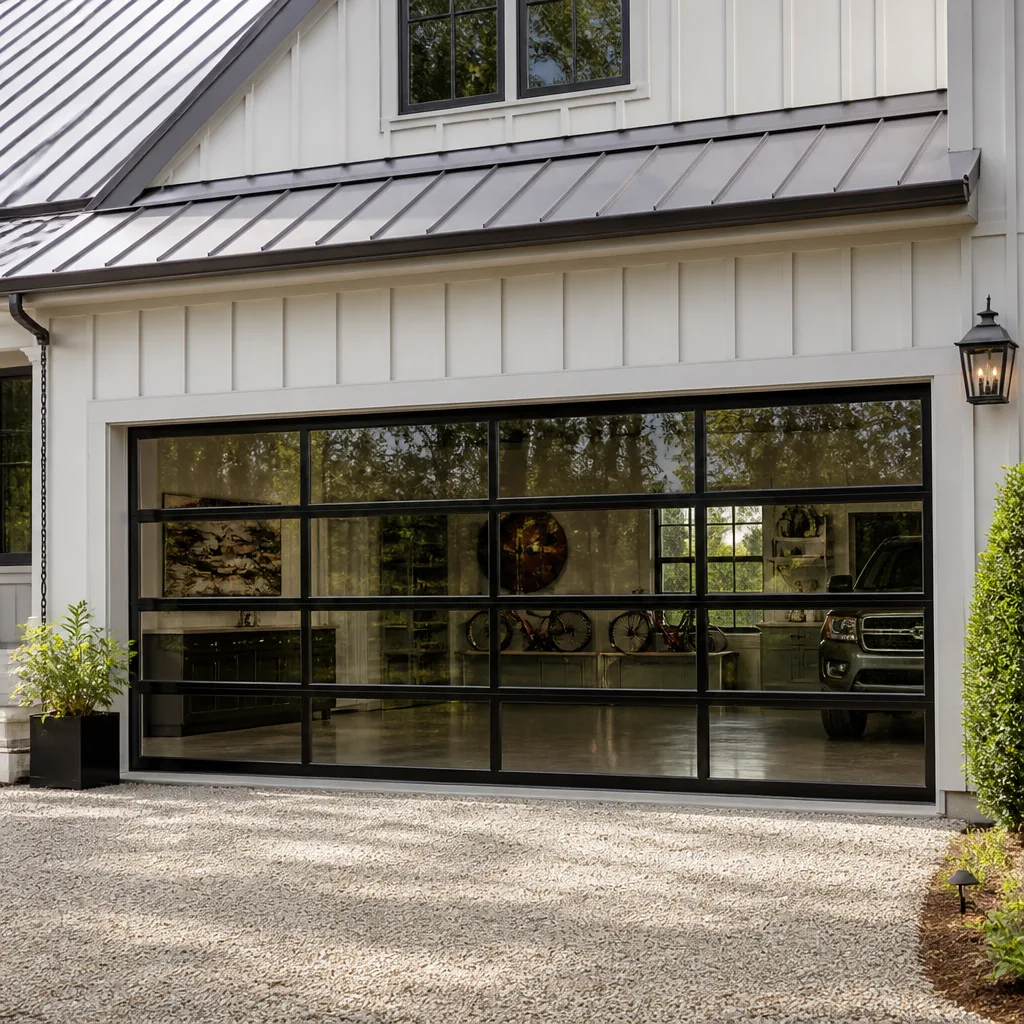 Full-view glass
 LiftMaster openers
 Chamberlain openers
Full 25-point door and opener safety check with every visit - springs, cables, rollers, tracks, and your LiftMaster or Chamberlain opener included
You get a price before we start. It does not change when the truck arrives.
Get your free estimateGarage Door Emergency Preparedness Guide for Chula Vista Homes
Every year, Chula Vista homeowners discover their garage door has become a wall at the worst possible moment. During the 2007 Harris Fire, residents in Eastlake and Rancho del Rey found themselves trapped in their own driveways when rolling blackouts killed their garage door openers, and many had never touched the red emergency cord dangling above their cars. This guide covers the preparation most Chula Vista households skip: manual release operation, battery backup options for SDG&E outage patterns, earthquake inspection protocol, and evacuation readiness. For Garage Door Repair Troubleshooting: Common Problems and How to Fix Them, see our dedicated troubleshooting resource. We’ll walk through exactly what to do before, during, and after the emergencies that actually happen in this region.
Quick Answer
Garage door emergency preparedness in Chula Vista means your garage door must work during an earthquake, wildfire evacuation, or SDG&E power outage even when the opener has no electricity. The two most critical steps are learning to operate your manual release cord and installing or maintaining a battery backup system on your opener. After any significant event, you also need to inspect the door for frame misalignment, track damage, and spring wear before trusting it again.
Styles & brands we work with
Table of Contents
- How to Operate the Manual Release Cord
- Battery Backup for Chula Vista’s SDG&E Outage Patterns
- Earthquake Protocol: What to Check After a Shaker
- Wildfire Evacuation Readiness for Your Garage Door
- Power Surge and Wind Event Inspection Checklist
- Monthly Maintenance That Prevents Emergency Failures
- When Repair Beats Replacement After an Emergency
How to Operate the Manual Release Cord
That red rope hanging from your opener rail is the single most important safety feature in your garage, and most Chula Vista homeowners have never pulled it. It disconnects the door from the opener carriage so you can lift the door by hand. Here’s the step-by-step process, including the re-engagement step that trips people up when power returns.
- Confirm the door is fully closed. Pulling the release while the door is open can cause it to slam down. If the door is open when power fails, get help supporting it before pulling the cord.
- Pull the red cord straight down and toward the garage door. You’ll hear a click as the carriage disengages from the chain or belt.
- Lift the door manually. It should move smoothly with moderate effort. If it’s extremely heavy, your springs may be broken. Stop and call a professional immediately, a door with broken springs can drop without warning.
- To re-engage after power returns: With the opener plugged in and powered, press the wall button once. The carriage will travel until it locks back onto the release mechanism. You’ll hear a solid click. Never try to re-engage by hand while the opener is running.
A door that won’t stay up when opened manually usually has worn springs. In our experience serving Chula Vista, spring failures on homes in Otay Ranch and Eastlake happen most often on doors that are opened and closed multiple times daily. If your door feels wrong when you lift it manually, that’s your signal to call before an emergency forces the issue.
The Re-Engagement Mistake Most People Make
When power returns, many homeowners try to manually push the carriage back onto the release mechanism while the opener is off. This works sometimes, but it often leaves the mechanism half-engaged. The door then falls off the carriage at a random moment later. Always re-engage with the opener powered on, using the wall button to drive the carriage into the locked position. The same applies to Genie and Chamberlain openers, and most newer LiftMaster models.
Battery Backup for Chula Vista’s SDG&E Outage Patterns
Chula Vista experiences some of the most frequent short-duration power interruptions in San Diego County. SDG&E public safety power shutoffs during Santa Ana wind events can last hours, and summer heat waves trigger rolling outages that hit Otay Mesa, Terra Nova, and Rolling Hills Ranch without much warning. A garage door opener with no battery backup becomes a manual door during these events, which is fine if you’ve practiced the release cord, but not so fine if you’re on your way out during an evacuation.
Battery backup systems fall into two categories: built-in and retrofit.
Openers With Built-In Battery Backup
- Chamberlain B6765: A belt-drive opener with integrated backup that provides roughly 20 open/close cycles on a full charge. Popular in newer Chula Vista homes in eastern developments.
- LiftMaster 8500W: A wall-mount jackshaft opener with battery backup rated for about the same cycle count. We install these often in West Chula Vista homes where ceiling space is limited.
If you have an older Genie or Chamberlain opener without backup, retrofit kits are available for many models. The cost is usually less than half the price of a new opener, and the installation takes about an hour. Given how frequently Chula Vista loses power during fire season, we recommend backup power on any door that’s the primary entry point for vehicles.
What Battery Backup Won’t Do
A battery backup powers the opener motor. It does not fix a broken spring, a bent track, or a door that’s jammed in its frame. If your door won’t move even with backup power, the problem is mechanical, not electrical. In those cases, the manual release is still your friend, and a call to a repair specialist is the next step.
For more on opener-specific issues, see our detailed guide to Garage Door Opener Repair in Chula Vista. If you’re considering upgrading to a model with backup power, our Garage Door Installation in Chula Vista page covers what to expect.
Earthquake Protocol: What to Check After a Shaker
Chula Vista sits roughly 12 miles from the Rose Canyon Fault, which runs offshore from La Jolla through San Diego Bay. A significant quake on that fault would shake Chula Vista homes hard, and garage doors are especially vulnerable because they’re the largest moving structure on the house. After any quake you can feel, run this inspection before using the door normally.
- Visually inspect all four corners of the door frame. Look for gaps between the frame and the wall, cracked stucco around the opening, or any visible shift in the frame itself. A shifted frame will cause the door to bind or fall off its tracks.
- Check both vertical tracks. They should be perfectly parallel and securely attached at every bracket. Earthquake movement can pull lag screws loose from the wall.
- Test the door manually. Pull the release cord and lift the door by hand. Move it slowly through its full travel. Stop immediately if you hear grinding, feel resistance at any point, or see the door lean to one side.
- Inspect the springs. Look for visible gaps in torsion springs above the door, or stretched extension springs along the sides. A spring that’s deformed after a quake can snap without warning later.
Even if everything looks fine, run the door through two full open/close cycles slowly with the opener. Listen for any new sounds. In our experience, earthquake damage to garage doors often shows up days later as a spring that was weakened during the shake finally gives out. The homes most at risk in Chula Vista are older houses in the western neighborhoods where door frames are wood and have been through decades of settling.
Wildfire Evacuation Readiness for Your Garage Door
Chula Vista is not a mountain community, but mandatory evacuation orders during the 2003 Cedar Fire and 2007 Harris Fire reached eastern neighborhoods including Eastlake, Otay Ranch, and Rolling Hills Ranch. When an evacuation order comes, you may have minutes. Your garage door can’t be the thing that slows you down. Here’s how to make sure it isn’t.
Three Steps to Evacuation-Ready Garage Door
- Test your backup battery monthly. Unplug the opener and run the door. If it doesn’t open, replace the battery. Most backup batteries last 1-2 years in Chula Vista’s climate, heat accelerates battery degradation.
- Position the manual release cord where you can reach it from the driver’s seat. If emergency responders need to enter your home without you present, they’ll look for that red cord. Keep it visible and unobstructed.
- Clear the area in front of the door. During an evacuation, you don’t want to be moving bikes, trash bins, or storage boxes to get your car out. Make it a household rule that the path to the garage door stays clear.
If You Have to Leave During a Power Outage
The sequence that works: pull the manual release, lift the door by hand, drive out, then close the door manually from outside if possible. If you can’t close it, leave it open. A garage you can’t re-enter is better than a car trapped inside. When power returns, re-engage the opener using the wall button method described above. If you’re not sure the mechanism re-engaged correctly, test the door two or three times before relying on it again.
Chula Vista fire season and Santa Ana wind season overlap heavily. October and November are the months where we see the most emergency calls from homeowners whose openers failed during a power shutoff. If your opener is more than 10 years old and lacks backup power, consider the retrofit before the next wind event. Our Chelsea Garage Door Service home page has more on what we do, or call us directly for a backup battery consultation.
Power Surge and Wind Event Inspection Checklist
Power surges from grid switching during outages can cook the circuit board inside your opener. High winds can blow debris against the door, knock it off its tracks, or stress the cables. After any of these events, check these items before trusting the door.
- Opener responds normally: If the wall button or remote works intermittently, or the door travels partway and reverses, the logic board may have surge damage. This is a common problem we repair in Chula Vista homes after summer brownouts.
- Door travels smoothly: Jerky motion, hesitation at specific points, or loud clunks indicate a track or roller problem, not an opener problem.
- Safety sensors are aligned: High winds can shift sensor brackets. If the sensors are misaligned, the door will refuse to close. Look for the small lights on both sensors, both should be solid, not blinking.
- Cables are intact and spooling evenly: Look at the cables on both sides of the door. Frayed or loose cables mean a spring has likely broken or the drum has slipped.
- Weather stripping is still attached: Strong winds pull the bottom seal off the door. A missing seal lets dust, water, and pests into the garage, a minor issue that becomes a bigger one in Chula Vista’s dry, dusty conditions.
High-tension springs and cables are dangerous to work on. If any visual check reveals a snapped cable, a broken spring, or a door that’s leaning, do not attempt a repair yourself. These components are under enormous tension and can cause serious injury when mishandled. A trained professional should handle anything involving springs, cables, or track realignment.
If you spot damage after a wind event or power surge, our Garage Door Repair in Chula Vista page outlines what to expect from a service call, including how we diagnose issues across different door brands.
Monthly Maintenance That Prevents Emergency Failures
Most emergency garage door failures don’t happen in an emergency. They happen on a random Tuesday afternoon when a spring that was already dying finally snaps. The emergency is the second failure: discovering the problem during an evacuation or power outage. A Garage Door Repair Maintenance Checklist for Chula Vista Homeowners takes about 10 minutes monthly and catches most issues before they become emergencies.
The 10-Minute Monthly Check
- Test the manual release. Pull the cord and lift the door. If it’s heavy, springs are wearing. Re-engage and move on.
- Run the door and listen. New noises mean new problems. Grinding, squealing, or rattling all point to specific issues.
- Check the balance. With the opener disengaged, lift the door halfway and let go. It should stay put. A door that falls or rises on its own has a spring problem.
- Inspect visible hardware. Look at hinges, brackets, and bolts. Loose hardware gets worse over time.
- Test the safety sensors. Wave something through the beam while the door is closing. If the door doesn’t reverse, call for service.
We work on doors from Clopay, Amarr, Genie, and Chamberlain, among others, and the maintenance needs don’t change much from brand to brand. What changes is the quality of the original installation. A properly installed door from any major manufacturer should give years of trouble-free operation with basic monthly attention.
When Repair Beats Replacement After an Emergency
After a significant event like an earthquake, a vehicle strike, or a wind-driven debris impact, homeowners often assume the door needs replacement. Check Garage Door Permits, Codes & Inspections in CA: What You Need to Know before major work. In many cases, repair is the better call. A bent track can usually be replaced without replacing the door. A damaged panel can often be swapped individually. An opener that’s not responding may need only a new circuit board or capacitor, not an entire new unit.
We repair the brand you already have. That includes Amarr and Clopay doors, and Genie and Chamberlain openers, the four most common brands in Chula Vista homes. The advantage of this approach is simple: you keep a door that’s already matched to your home’s architecture and insulation needs, and you spend a fraction of replacement cost. Where replacement genuinely makes sense is when the door itself is 20-plus years old, the springs have failed multiple times, or the damage is structural to multiple panels. In those cases, our Garage Door Installation in Chula Vista service walks you through options without pushing a single brand. Recommendations are driven by what fits the home and budget.
Garage doors are all we do. That focus means we see failure patterns other contractors miss, and we know which repairs will last on the specific door you already own. It also means one call covers both the door mechanics and the opener system, no scheduling two contractors for what should be one visit.
Common Mistakes to Avoid
- Never testing the manual release until you need it. The release cord can stick if it hasn’t been pulled in years, and discovering that during an evacuation is the worst possible timing. Test it monthly.
- Re-engaging the opener incorrectly after a power outage. Forcing the carriage back by hand leads to a half-engaged door that drops unexpectedly. Always re-engage with the opener powered on and the wall button.
- Ignoring a heavy door. A door that’s hard to lift manually means springs are failing. The springs don’t improve with time. They eventually snap, usually when the door is open, and the door comes down hard.
- Assuming battery backup means you can ignore the manual release. Backup batteries fail too, especially in Chula Vista’s summer heat. The manual release is your true backup. The battery is convenience.
- Skipping the post-earthquake visual check. Even small quakes can shift a door frame just enough to cause binding months later. A five-minute visual inspection catches this early.
- Blocking the path to the garage door. The garage becomes a storage room, and the path to the door shrinks. During an evacuation, you’ll spend precious minutes clearing the way.
- Attempting DIY spring or cable repair. These parts are under lethal tension. Even experienced home mechanics get hurt working on garage door springs. This is the one repair where the risk genuinely outweighs any cost savings.
See the difference
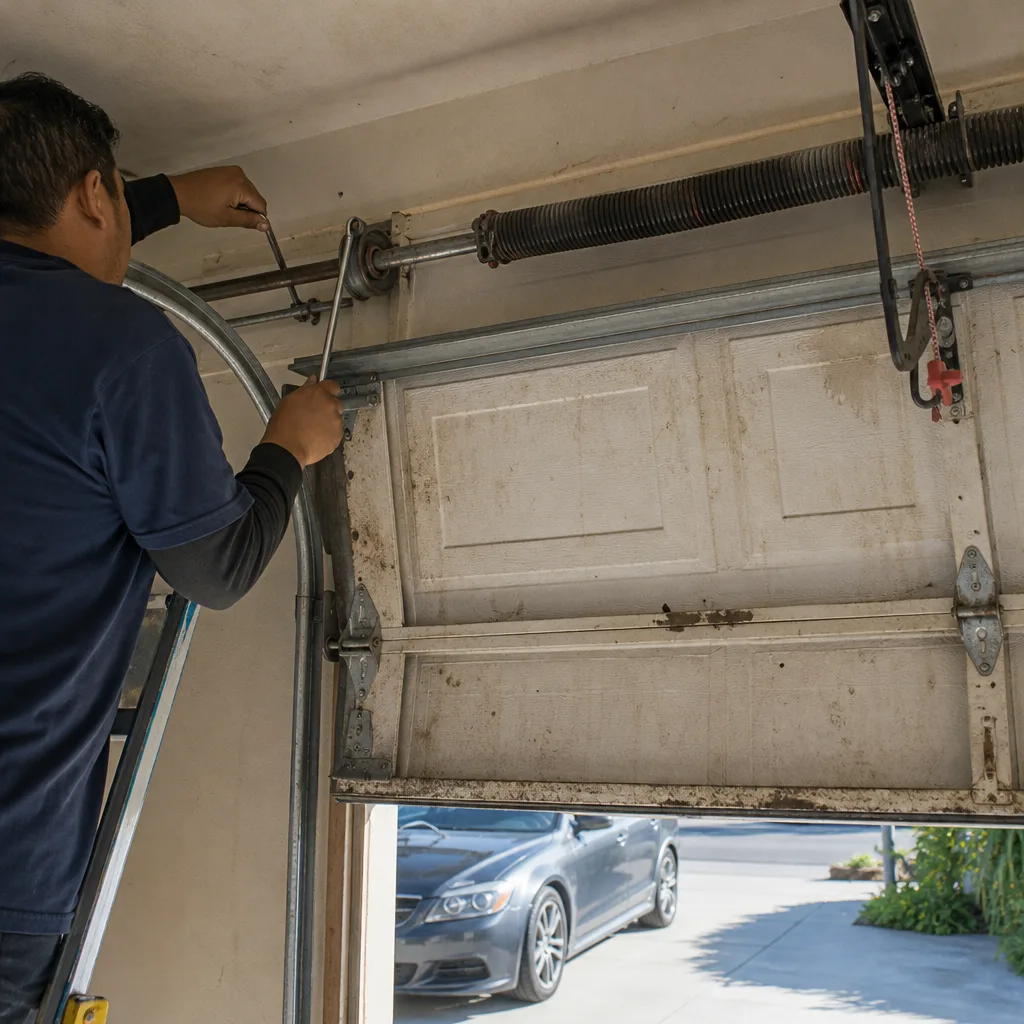 Before
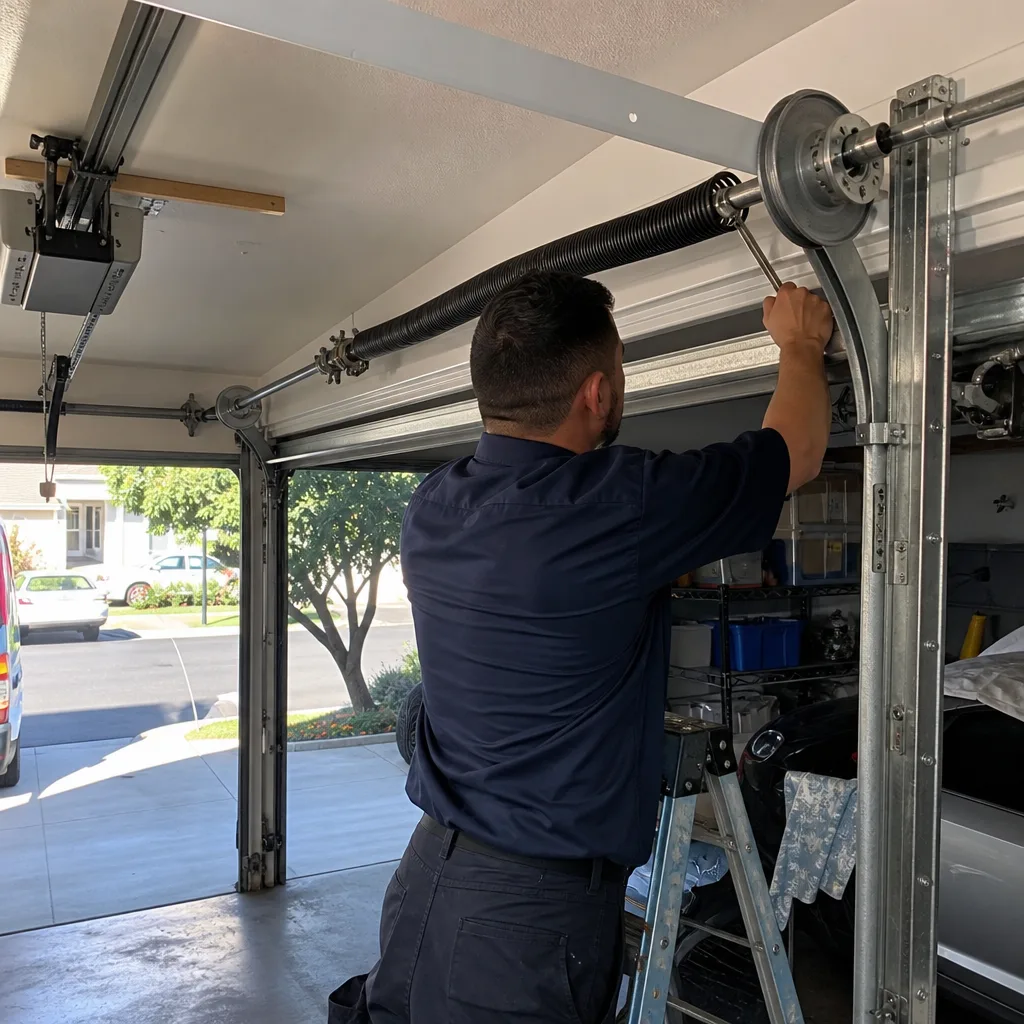 After
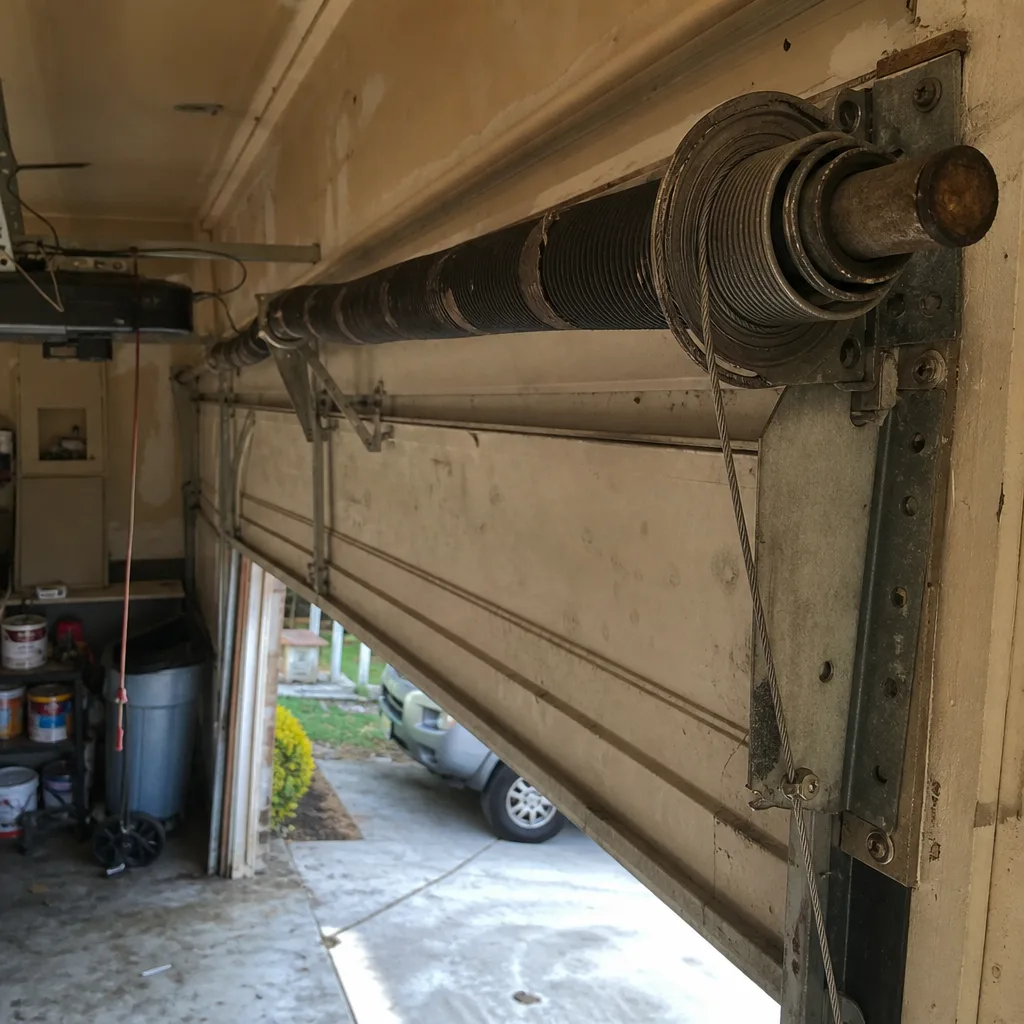 Before
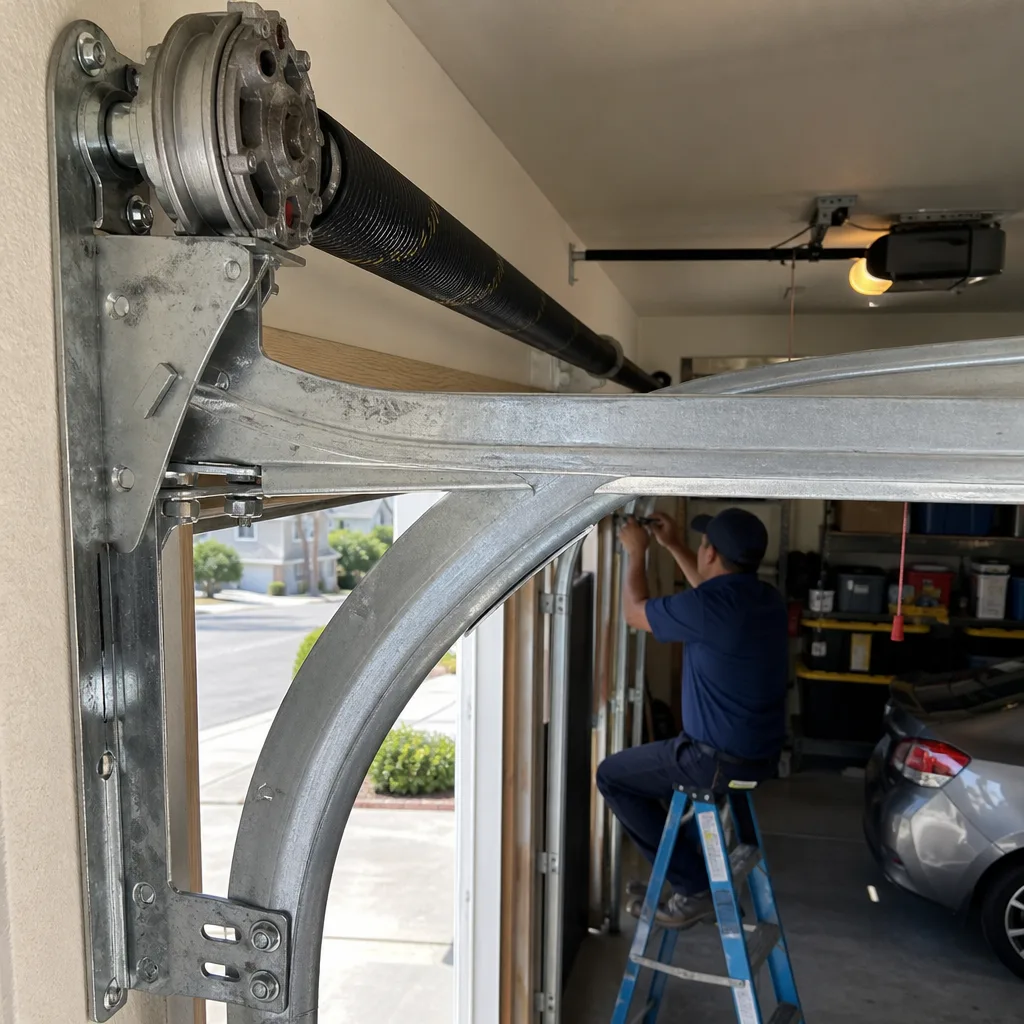 After
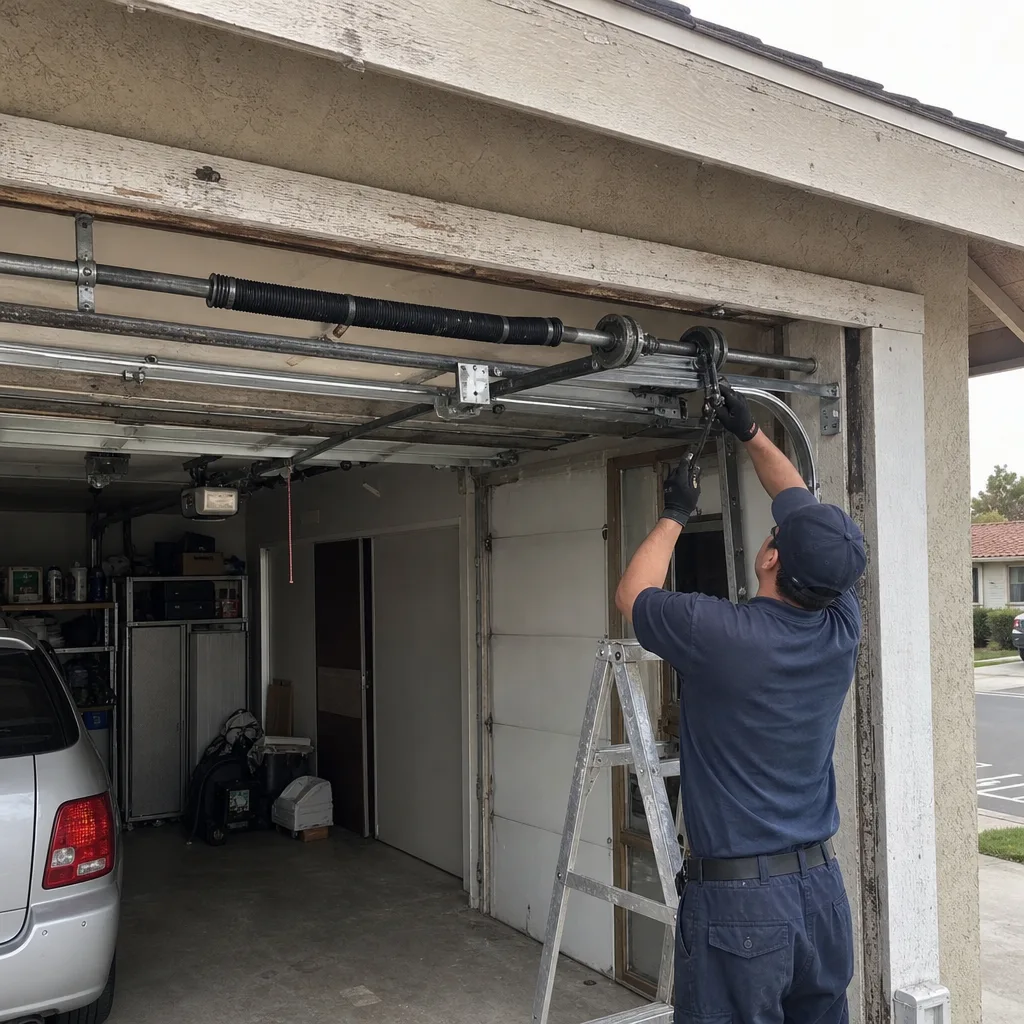 Before
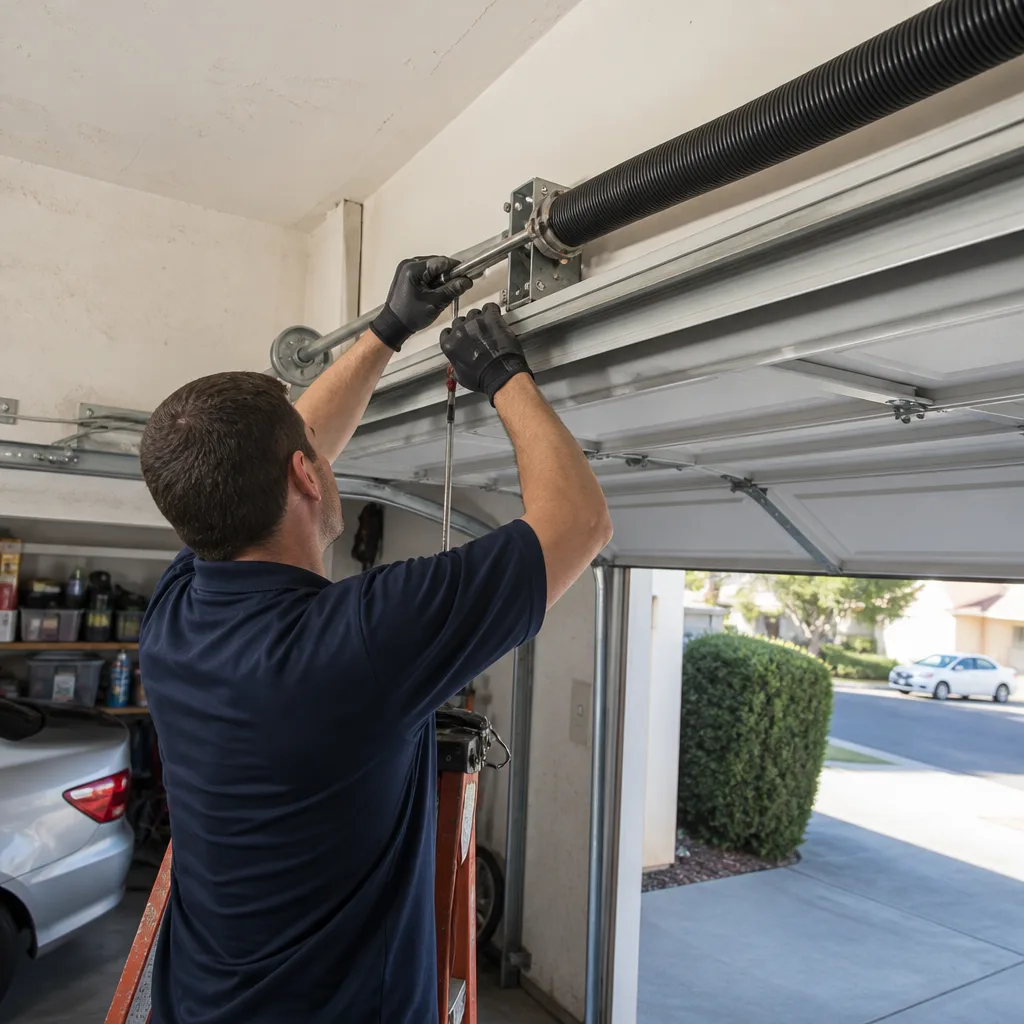 After
When to Call a Professional
Call for professional service when the door feels heavy during manual operation, when you hear grinding or see the door lean, when the springs show visible gaps or deformation, when the opener works intermittently, or when the door has been hit by a vehicle or fallen. These situations involve components under extreme tension or structural damage that requires trained eyes. Chelsea Garage Door Service offers free estimates in Chula Vista for all repair and installation work. We diagnose the problem and quote the price before any work begins, so you know exactly what you’re paying. Call (877) 626-0097 and we’ll schedule a visit at a time that works for you.
Frequently Asked Questions
Pull the red emergency release cord hanging from the opener rail, then lift the door by hand from the bottom. The door should move smoothly with moderate effort. If it’s very heavy, the springs have failed and you should call for professional help rather than forcing the door open.
Only if it has a battery backup system. Standard openers plug into wall power and go dead when the grid goes down. Models like the Chamberlain B6765 and LiftMaster 8500W have built-in backup, and retrofit kits are available for many older openers. In Chula Vista, where SDG&E shutoffs happen during Santa Ana wind events, backup power is worth the investment.
It depends on the opener model and your comfort level with electrical work. Retrofit kits for Genie and Chamberlain openers are generally plug-and-play, but they involve working near the opener’s electrical connections. If you’re not comfortable with that, a professional installation takes about an hour. Call (877) 626-0097 for an exact quote.
After any quake you can feel, visually inspect the door frame for gaps or cracks, check both vertical tracks for looseness, pull the manual release and lift the door slowly to check for binding, and look at the springs for visible deformation. Run the door through two full cycles before trusting it. Even if everything looks fine, be alert for new sounds or resistance in the days following.
Retrofit battery backup kits typically run $150 to $400 for the part, with installation adding $100 to $200 depending on the opener model and wiring access. An opener with built-in backup, like the Chamberlain B6765, runs $350 to $500 installed. The exact price depends on your current setup. Call (877) 626-0097 for a free estimate, we quote the price before any work begins.
Test it monthly. Pull the cord, lift the door halfway and release it to check balance, then re-engage the opener. Ten minutes a month catches most developing problems before they become emergencies. If the door falls or rises on its own when released at the halfway point, the springs need professional attention.
The Bottom Line
Garage door emergency preparedness in Chula Vista comes down to three things: knowing how to operate your manual release without thinking about it, having backup power for your opener so the door works during SDG&E outages, and keeping up with monthly maintenance so you catch spring and track problems before they become safety issues. The manual release is the most reliable tool you have, and it costs nothing to learn. Backup power is an investment that pays off during fire season. Monthly checks take minutes and prevent most surprises. If you find anything wrong during any of these checks, or if you want help setting up backup power, call Chelsea Garage Door Service at (877) 626-0097. Explore more guides & resources on our blog. Garage doors are all we do, and we know the brands in Chula Vista homes better than anyone.
Written by the team at Chelsea Garage Door Service, serving Chula Vista since 2014.