
Last updated October 31, 2026
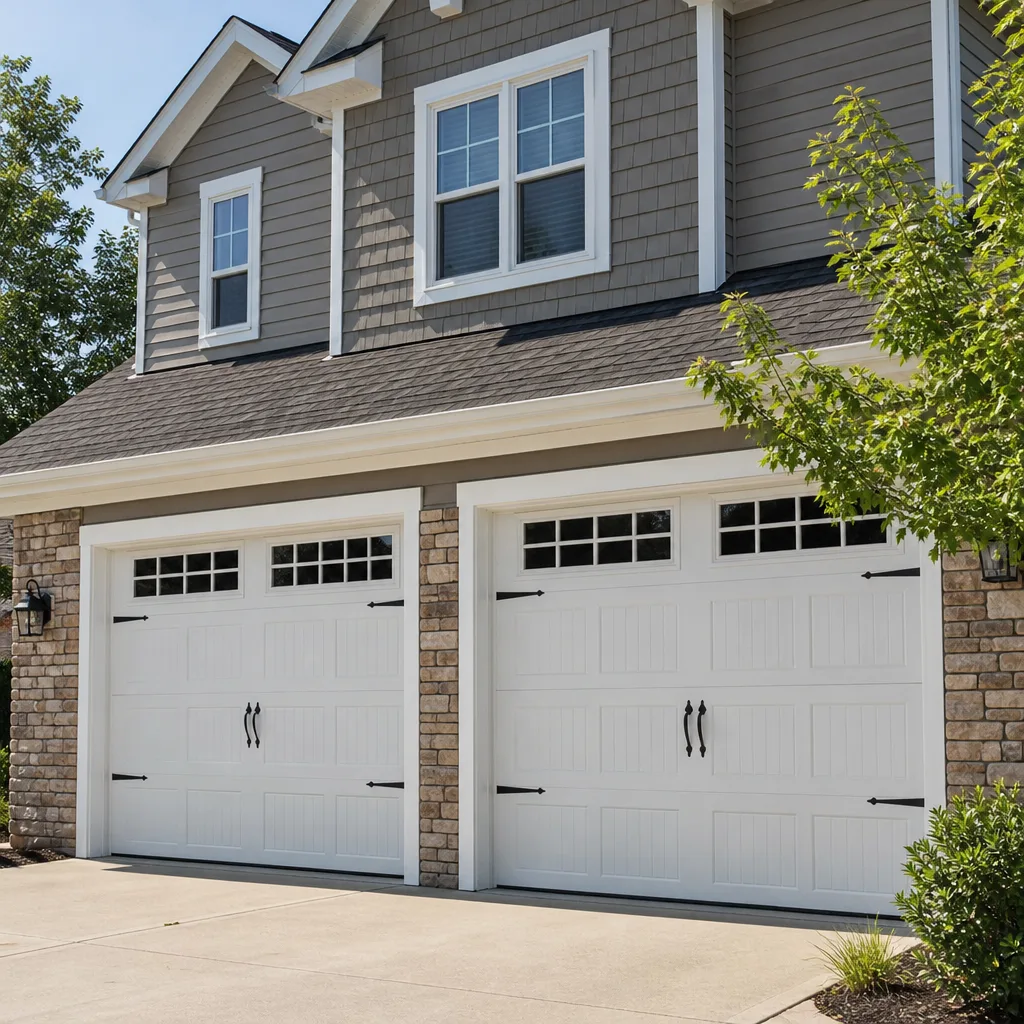
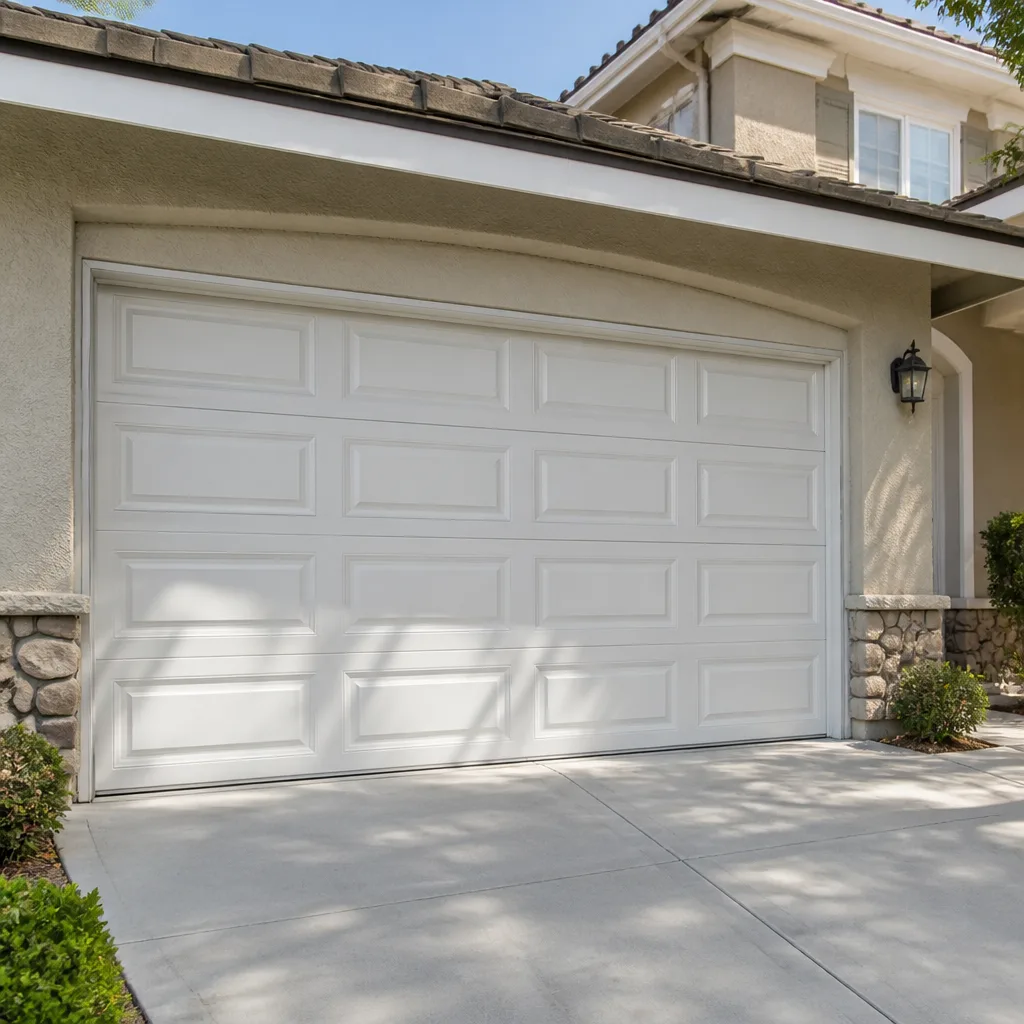 Raised-panel steel
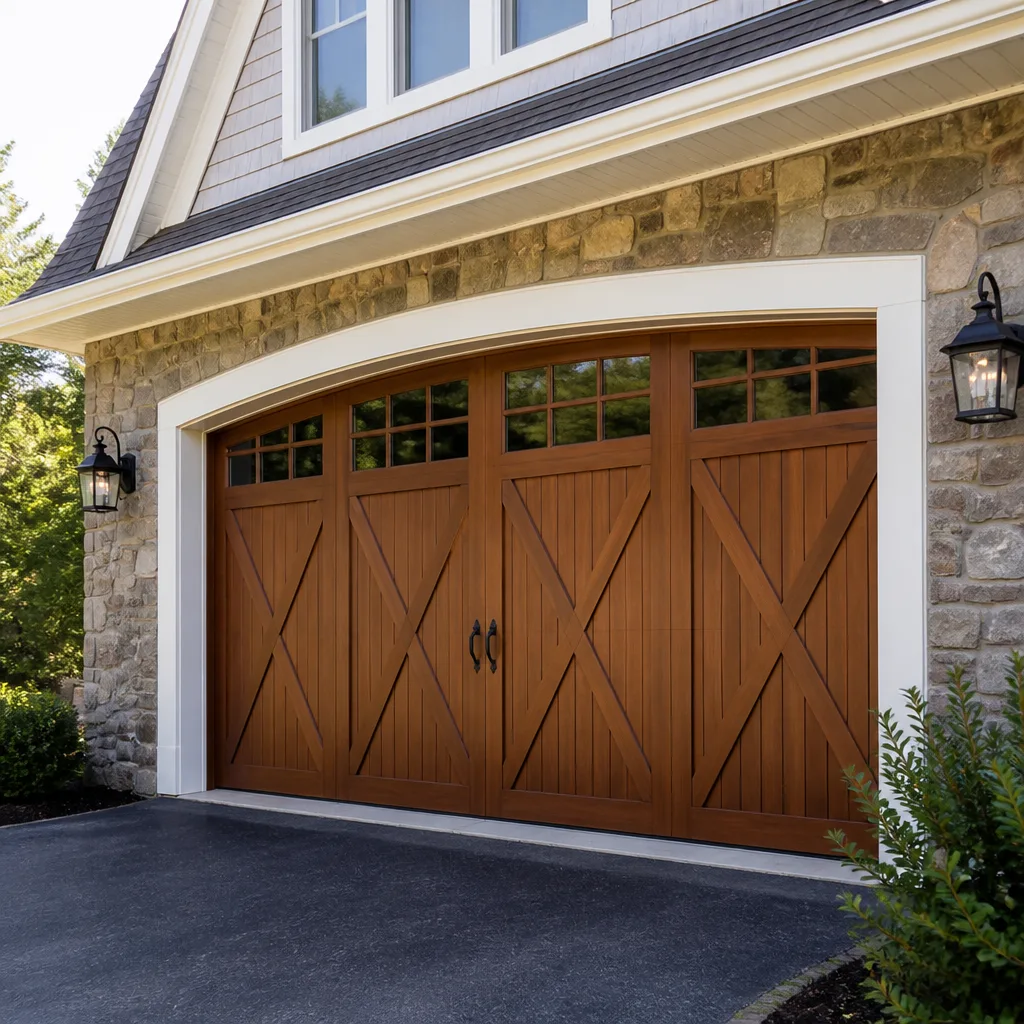 Carriage house
 Modern flush
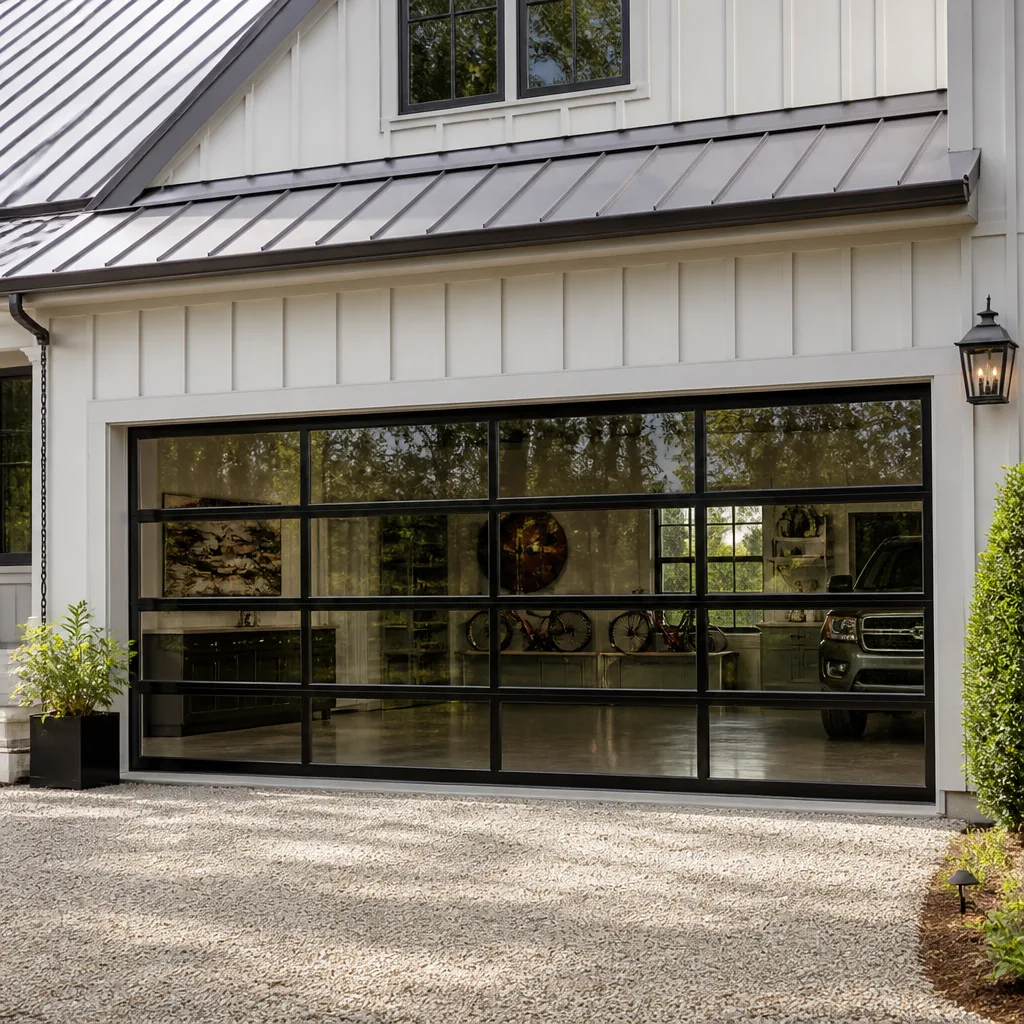 Full-view glass
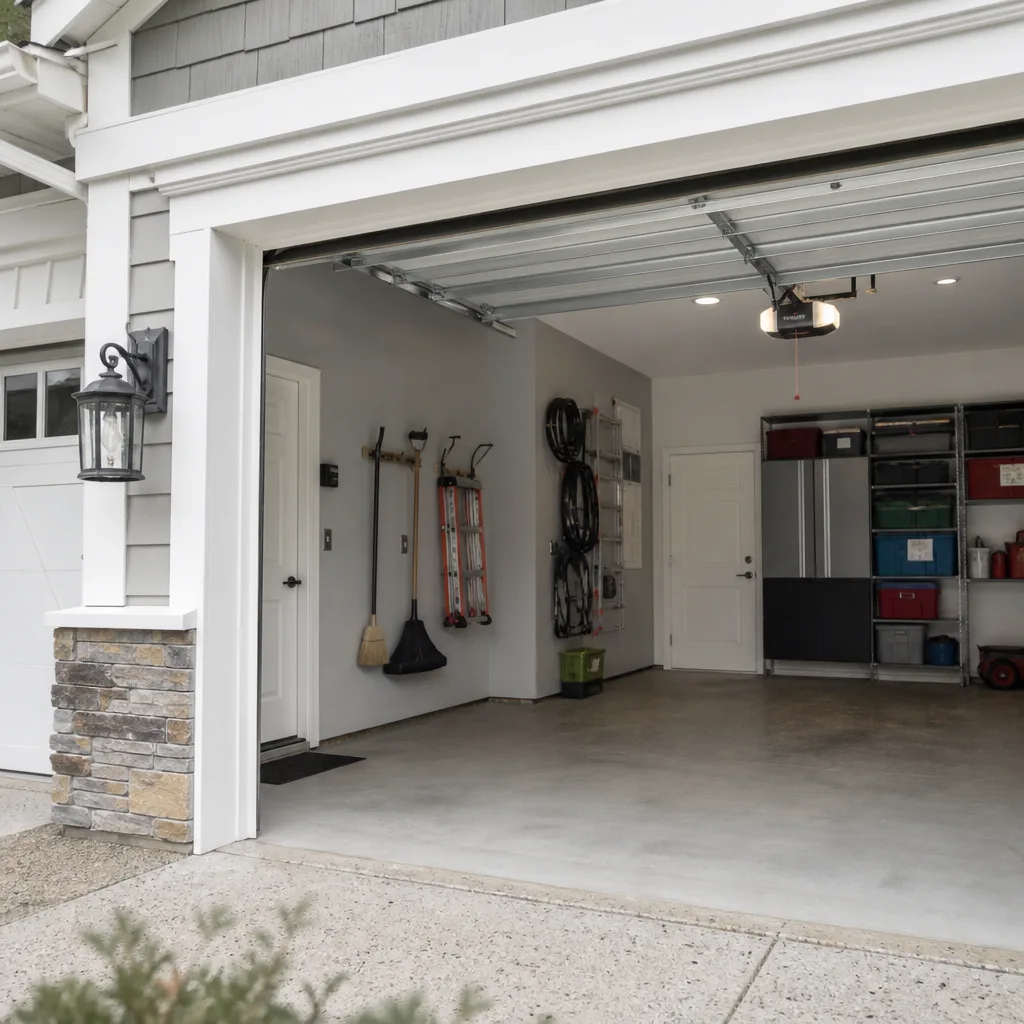 LiftMaster openers
 Chamberlain openers
Full 25-point door and opener safety check with every visit - springs, cables, rollers, tracks, and your LiftMaster or Chamberlain opener included
You get a price before we start. It does not change when the truck arrives.
Get your free estimateHow to Hire a Garage Door Contractor in Chula Vista: A Step-by-Step Guide
California’s CSLB license lookup takes 30 seconds, yet most Chula Vista homeowners skip it entirely. We know this because we’ve seen the aftermath: ripped-off customers who paid cash to an unlicensed handyman, only to discover the “repair” failed two weeks later and the phone number is now disconnected. Garage door work ranks among the most common categories for unlicensed contractor complaints in San Diego County, and Chula Vista’s active code enforcement team handles these cases regularly. This guide walks you through the exact vetting process we wish every homeowner followed before letting anyone touch their garage door, and you can find more guides & resources on our blog.
Styles & brands we work with
Quick Answer
To hire a garage door contractor in Chula Vista, verify their CSLB license classification C-61/D-28 before scheduling any estimate, confirm they service your existing door brand rather than pushing a replacement, and get a written line-item quote with warranty terms spelled out. For a deeper look at brand selection, see our post on Choosing the Right Garage Door Brand: A Buyer’s Guide for Chula Vista. The whole vetting process takes about 15 minutes and eliminates roughly 80% of the bad actors operating in the Chula Vista market.
Table of Contents
- Step 1: Verify the CSLB License (The 30-Second Check)
- Step 2: Ask the Brand Question That Exposes Salespeople
- Step 3: Spot the Chula Vista Red Flags Before You Schedule
- Step 4: Read a Written Estimate Like a Pro
- Step 5: Understand What a Real Warranty Covers
- Step 6: The 7 Questions to Ask on the Phone
- Common Mistakes to Avoid
- When to Call a Professional
- Frequently Asked Questions
- The Bottom Line
Step 1: Verify the CSLB License: The 30-Second Check
Before you let anyone measure your garage door or diagnose a spring problem, open the California State License Board website and run their name or license number. This is the single most effective filter for separating legitimate Chula Vista garage door specialists from the unlicensed operators flooding app-based platforms. In our experience, roughly half the “contractors” advertising garage door repair in Chula Vista on gig-economy apps either have no license at all or are using a friend’s number.
Here’s what to look for:
- License classification: A legitimate garage door contractor in California holds either a C-61/D-28 (Limited Specialty: Doors and Door Hardware) or a full C-17 (Glazing) with door credentials. If the classification says “General Building” only, they’re a generalist, not a garage door specialist.
- Status should read “Active” – not “Expired,” “Suspended,” or “Inactive.” We see suspended licenses on active job sites more often than you’d think.
- Bond and insurance tabs should show current proof. A contractor without workers’ comp can leave you liable if a worker gets hurt on your Chula Vista property.
- Business address should be a physical location in California. A P.O. box and a burner phone number are classic signs of a transient operator.
Chula Vista enforces contractor licensing actively, issuing citations that carry administrative penalties of $1,000 to $5,000 per violation. Homeowners still carry the risk, though: if an unlicensed worker is injured on your property, the claim lands on your homeowners insurance.
Step 2: Ask the Brand Question That Exposes Salespeople
Here’s the question that separates genuine multi-brand specialists from commissioned salespeople: “Which brand is my current opener, and what parts do you stock for it?”
If the person on the phone hesitates, changes the subject, or immediately starts talking about why you should replace the whole system, hang up. A real technician thinks in terms of what’s already installed on your Chula Vista home and what’s most likely failed inside it. A salesperson thinks in terms of what they can sell you next.
At Chelsea Garage Door Service, we repair what you already have before suggesting replacement. Our technicians are trained across eight of the most widely installed garage door and opener brands in North America: LiftMaster, Chamberlain, Genie, Clopay, Amarr, Wayne Dalton, Craftsman, and Raynor. That brand fluency matters because a LiftMaster opener and a Genie opener fail differently. The circuit boards aren’t interchangeable. The sensor alignments aren’t identical. A technician who only knows one product line will either misdiagnose the other seven or, worse, convince you the other seven are “obsolete” and need replacing when they’re perfectly repairable.
Ask specifically: “Do you have Craftsman parts, or do you only handle Chamberlain?” A specialist answers fast, with confidence. A brand-pusher pivots to a pitch.
The same logic applies to the door itself. Clopay doors have different track profiles than Amarr doors. Raynor uses different spring gauges than Wayne Dalton. When a contractor tells you they only install one brand, what they’re really telling you is they’ve never been trained on the others – and they’ll either learn on your dime or steer you toward what they know.
Garage doors are all we do. That’s not a slogan. It means every estimate we write in Chula Vista starts with a diagnosis of the existing system, not a sales brochure for a new one. For a full overview of common issues and fixes, read The Complete Garage Door Repair Guide for Chula Vista Homeowners.
Step 3: Spot the Chula Vista Red Flags Before You Schedule
Chula Vista has a specific market problem: the city’s mix of older Otay Ranch and Eastlake homes alongside newer Rolling Hills Ranch and Lomas Verdes construction creates a steady stream of garage door work, which attracts out-of-town operators who chase the demand with no local accountability. Here’s what to watch for:
- Cash-only quotes with no written estimate: Legitimate Chula Vista garage door companies accept multiple payment methods and always put numbers on paper. Cash-only is how unlicensed operators avoid the paper trail that would expose them to the CSLB.
- No physical address on the website or truck: If the contractor can’t tell you where their shop is, they don’t have one. Every licensed contractor in California must display their license number on vehicles and advertising. No address, no license number on the van, no deal.
- “Today only” pricing pressure: You’ll hear this from door-to-door crews working Chula Vista neighborhoods after storm season or during the summer heat. “Act now and I’ll knock 30% off.” A legitimate estimate is valid for at least 30 days. Anyone who needs a same-day decision is hiding something about the value of what they’re selling.
- Vague warranty language: Ask what the warranty covers in writing. If the answer is “Don’t worry, we stand behind our work,” that’s not a warranty. That’s a sentence. More on this below.
- Unmarked trucks or rental vehicles: We see this consistently in East Chula Vista. Unlicensed handymen rent vans or use personal cars to avoid the signage requirements that would expose them.
- Switching names frequently: Search their business name on the CSLB site and check how long the entity has existed. If the business was formed 8 months ago but the guy claims 15 years of experience, only one of those statements can be true.
Here’s the pattern we’ve watched play out: an unlicensed worker installs a cheap torsion spring at a suspiciously low price, the spring fails within a year because it was undersized for the door’s weight, and the homeowner is left calling around for Garage Door Repair in Chula Vista – paying twice for the same repair.
Step 4: Read a Written Estimate Like a Pro
A written estimate should make sense to a non-technical homeowner. If you can’t tell what you’re paying for, the estimate was designed that way. Here’s how to read one.
Line items that should always be itemized:
- Springs: specified by size and cycle rating (e.g., “2x .225″ x 2″ x 24″ torsion spring, 25,000 cycle rating”)
- Cables and drums, if being replaced
- Rollers: specified by material (nylon vs. steel) and quantity
- Opener labor vs. parts, if the opener is being serviced
- Track adjustment or replacement, if applicable
- Disposal of old materials
Line items that can reasonably be bundled:
- Service call fee, if it’s credited toward the repair
- Lubrication and small adjustments during a diagnostic visit
- Sensor alignment and safety reversal testing, if done as part of the repair
The line-item detail is your best defense against the parts downgrade. Here’s what that looks like: a contractor quotes you a “new spring” at a competitive price, installs a spring with a 5,000-cycle rating instead of a 25,000-cycle rated spring, and the difference in lifespan is three years versus fifteen. You don’t notice because the door works fine on day one. The clue is the absence of specification in the estimate. If the word “spring” appears with no size, gauge, or cycle rating, demand one before signing. The same applies to openers: if the estimate just says “new opener” without a brand and model number, you can assume the cheapest available unit.
Here’s a real comparison from the Chula Vista market. A quality single torsion spring replacement, installed, currently runs between $220 and $380 depending on door weight and spring cycle rating. Two springs run $320 to $550. If someone quotes you $89 for a spring replacement, that spring is coming from a bin of generic parts, and it’s likely undersized. Good springs for a standard 16-foot Chula Vista door weigh more and cost more. There’s no shortcut.
Also ask whether the estimate includes a Garage Door Opener Repair in Chula Vista diagnostic if the opener is acting up while the door is being fixed. Some contractors only address the door and tell you to call someone else for the opener. One call for the door and the opener means you’re not paying two trip fees.
Step 5: Understand What a Real Warranty Covers
Most garage door warranty disputes in Chula Vista come down to one misunderstanding: the difference between a parts warranty and a labor warranty. Both should be in writing.
Parts warranty: The manufacturer covers the component – the spring, the opener motor, the panel – for a defined period. Spring warranties are typically rated in cycles (e.g., 10,000 or 25,000 openings) rather than years, because the cycle rating is a more honest measure of use. A Chula Vista homeowner who opens the door 6 times a day puts about 2,190 cycles on the spring in a year. A 10,000-cycle spring should last about four and a half years at that usage rate. A 25,000-cycle spring handles a decade or more.
Labor warranty: The contractor covers the installation workmanship for a defined period – commonly 30 to 90 days for repairs, longer for full installations. If the same component fails after the labor warranty expires, you pay for labor again but not the part, assuming the part’s warranty is still active.
Who backs it: Ask whether the warranty is honored by the manufacturer (which requires the contractor to be an authorized dealer) or by the contractor directly. Both can be legitimate, but they work differently. If a contractor goes out of business and your warranty was only backed by the contractor, you’re out of luck. A manufacturer-backed warranty survives the contractor.
Get it in writing before work starts. A text message or email with warranty terms counts. A verbal promise doesn’t.
One more Chula Vista-specific note: the salt air and coastal humidity in neighborhoods west of I-805, like Terra Nova and western Otay Ranch, accelerate corrosion on springs, cables, and hardware. A galvanized spring in Terra Nova will rust faster than in the drier inland neighborhoods of eastern Chula Vista. Ask your contractor whether they’re spec’ing corrosion-resistant materials for coastal-adjacent homes. A knowledgeable contractor answers this without pausing. We stock corrosion-resistant hardware specifically because we service the full Chula Vista coastline. For year-round maintenance tips, check out Seasonal Garage Door Care for Chula Vista: Year-Round Homeowner’s Guide.
Step 6: The 7 Questions to Ask on the Phone
Before you schedule an estimate, run through these seven questions. A legitimate Chula Vista garage door specialist answers all seven without hesitation.
- “What’s your CSLB license number?” Take it down, verify it on the CSLB site, and confirm the classification is C-61/D-28 or C-17. If they don’t have one ready, the call is over.
- “Do you repair the brand of opener I already have?” Mention your opener brand – LiftMaster, Chamberlain, Genie, Craftsman, Raynor, whatever it is. A brand-agnostic specialist says yes and asks about the symptoms. A brand-pusher starts describing a new system.
- “What’s your service area?” A Chula Vista-based company should have no problem with any neighborhood from Otay Ranch to Eastlake to the downtown corridor. Be wary of anyone who has to check whether they serve your area.
- “Do you charge a diagnostic fee?” Find out whether the fee is credited toward the repair. At Chelsea Garage Door Service, we don’t play the hidden-fee game: the diagnostic visit comes with a written price for any work, and you decide before anything gets touched.
- “Can you email me the estimate?” If the answer is “I’ll just tell you over the phone,” that’s a red flag. Written estimates protect you, and every legitimate contractor provides one.
- “Do you stock parts on the truck?” This matters most for repairs. A specialist arrives with springs, cables, rollers, sensors, and opener components across multiple brands. A company that has to order parts and return will cost you a second visit fee. Our Chula Vista techs run stocked trucks for exactly this reason.
- “What’s your warranty policy?” Listen for specifics: parts warranty in cycles or years, labor warranty duration, manufacturer backing. Vague answers are red flags, as we covered above.
Common Mistakes to Avoid
- Skipping the license check because the price is good. A $100 savings on a spring replacement gets eaten up the first time the unlicensed repair fails, and you’ll pay full price to have it redone. The cheap contractor is always the expensive contractor in the end.
- Hiring a general handyman for garage door work. Garage door systems involve high-tension springs, cable systems, and electromechanical openers that require specific training. We’ve seen well-meaning Chula Vista handymen install springs with the wrong wind direction, which can cause the door to close on its own or bind in the tracks.
- Accepting a verbal quote. If it’s not on paper, it didn’t happen. Your memory of “around $200” and the contractor’s memory of “$350” are not the same conversation. Get the estimate in writing, with line items, before any work begins.
- Choosing a contractor based solely on the lowest bid. When one Chula Vista bid comes in 60% below every other estimate, the difference is in the parts. They’re installing cheap springs, cheap rollers, and cheap openers – and you’ll replace them again within a few years.
- Not checking whether the contractor is local. Out-of-town operators sweep through Chula Vista after busy seasons, take deposits for “scheduled” installations, and disappear. A local contractor with a local address has a reputation to protect.
- Ignoring corrosion concerns in coastal neighborhoods. If you live west of I-805 in Chula Vista, salt air degrades steel components faster than inland. A contractor who doesn’t spec corrosion-resistant hardware is shortening the life of your repair.
- Assuming “new door” is always the answer. We say this every day: repair first. If your existing door is structurally sound and the main issue is a spring, a cable, or an opener, a targeted repair costs a fraction of a replacement and extends the door’s life by years. Anyone who immediately transitions to a replacement pitch without doing a diagnostic isn’t working in your interest.
When to Call a Professional
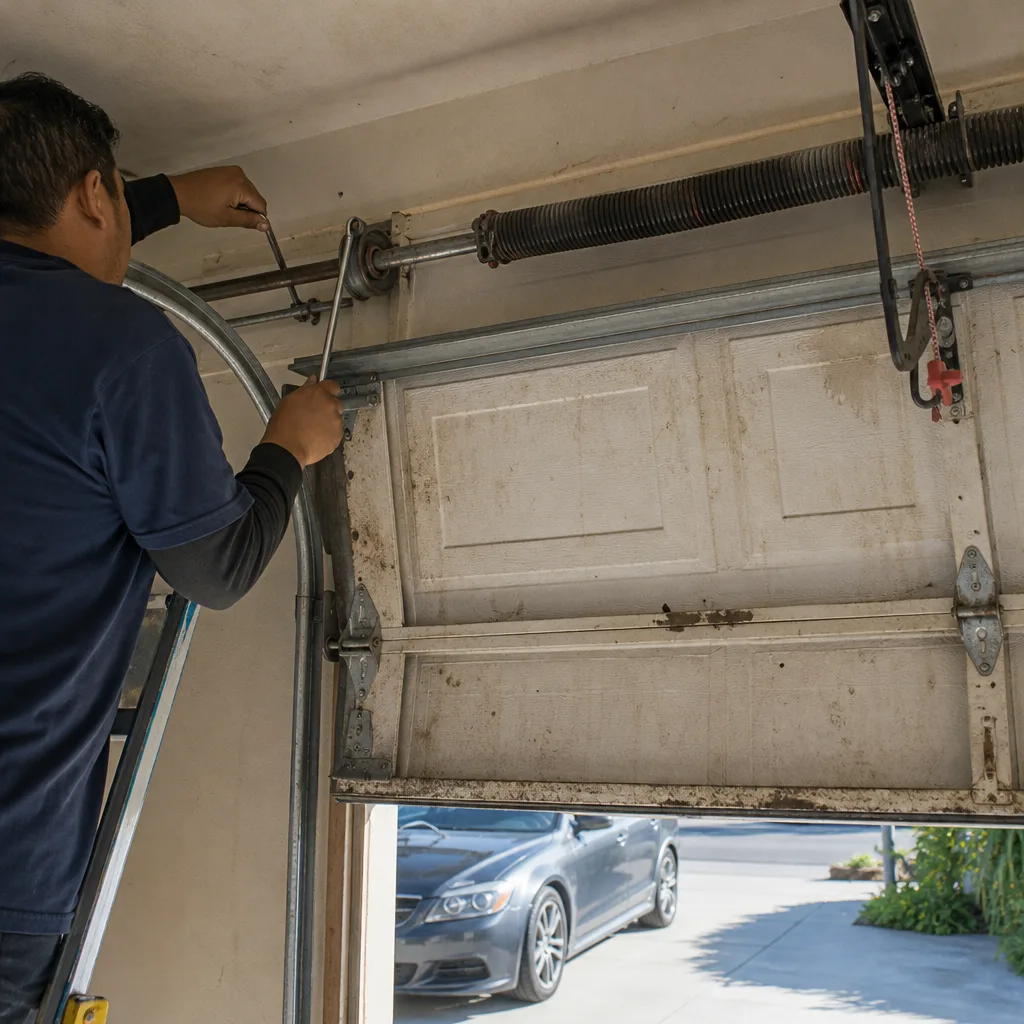
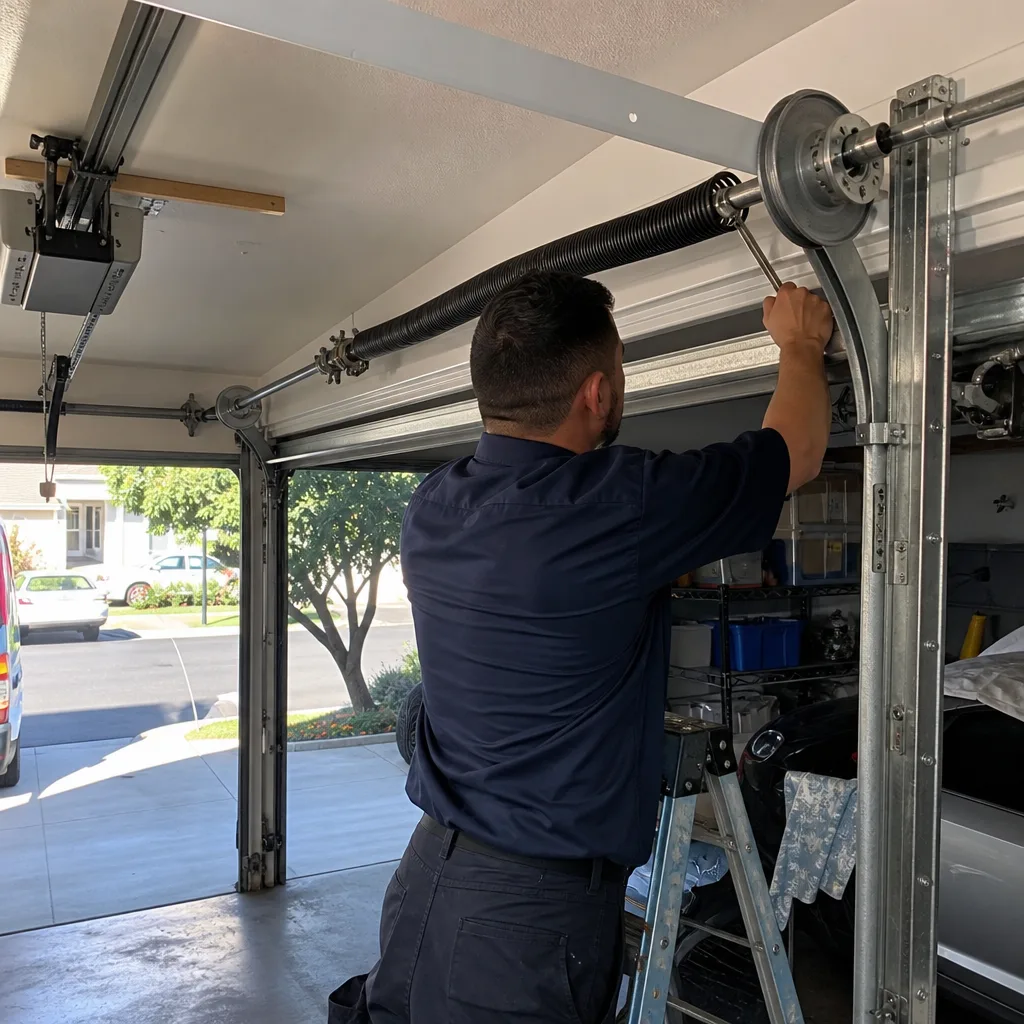
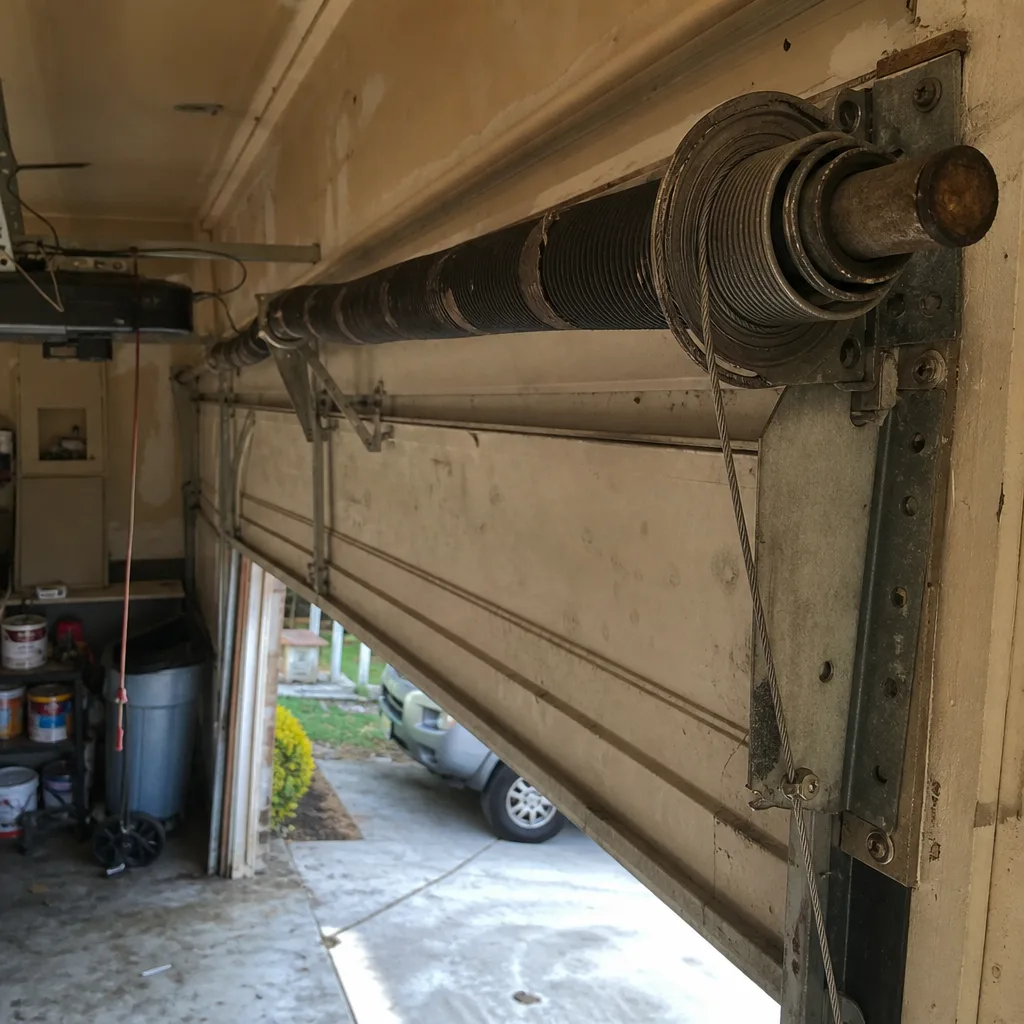
Garage door springs are under extreme tension – enough to cause serious injury or death if they snap while being handled. Cables and torsion systems are the same. If your spring is broken, your cables are frayed, or your door is binding at the track, this is not a DIY project. A trained technician carries the right winding bars, knows the correct torque specs for your door’s weight, and can complete the repair without risking injury. Similarly, opener motor failures and circuit board problems require testing equipment and brand-specific diagnostic knowledge. If you’re in Chula Vista and dealing with any of these, Chelsea Garage Door Service offers free estimates – call (877) 626-0097 and we’ll send a specialist who’s trained on the brand you already have.
Frequently Asked Questions
For repair work, expect $180 to $550 depending on the specific repair – a single spring replacement runs $220 to $380, a double spring $320 to $550, and opener replacements with installation typically land between $450 and $900 depending on the model. New door installation in Chula Vista ranges from $1,200 for a basic single door to $4,000+ for custom or insulated designs. Good contractors give you a line-item estimate when they arrive, and the price is quoted before any work starts. Call (877) 626-0097 for an exact quote on your specific door and opener.
Go to the CSLB website, enter the contractor’s name or license number, and confirm the license classification is C-61/D-28 (Doors and Door Hardware) or C-17 (Glazing). Check that the status reads “Active” and that the bond and insurance tabs are current. This whole process takes about 30 seconds and is the single most effective filter for identifying legitimate Chula Vista garage door specialists.
Yes – repair calls get same-day or next-day scheduling at Chelsea Garage Door Service. We run stocked trucks through Chula Vista neighborhoods daily, so springs, cables, rollers, and opener parts across eight major brands are often on hand the first visit. Call (877) 626-0097 with your address and we’ll give you a specific arrival window.
No. The quote you receive during the diagnostic visit is the price you pay before work begins – if we find additional problems during the repair, we stop and get your approval before doing anything beyond the original scope. Your estimate holds unless you add work. This is how legitimately run Chula Vista garage door companies operate; no surprises after the fact.
Yes. We train technicians across both the door mechanics and the opener system, so a single visit covers springs, cables, tracks, sensors, motors, and circuit boards. One call for the door and the opener eliminates the two-trip, two-contractor headache. We stock parts for LiftMaster, Chamberlain, Genie, Craftsman, Raynor, Clopay, Amarr, and Wayne Dalton systems.
We cover the full city of Chula Vista, including Otay Ranch, Eastlake, Rolling Hills Ranch, Terra Nova, Lomas Verdes, Sunbow, and the downtown corridor. We also serve nearby areas. Call (877) 626-0097 and we’ll confirm coverage for your street – if you’re in or near Chula Vista, we’ve got you.
The Bottom Line
Hiring a garage door contractor in Chula Vista comes down to six steps: verify the CSLB license, ask the brand question, watch for local red flags, read the estimate line by line, get warranty terms in writing, and ask the seven phone questions. The whole process takes less than 20 minutes, and it saves you from the pattern we see far too often: a cheap unlicensed repair that fails within a year and costs more to fix than a proper repair would have from the start. If you’re ready to skip the gamble, Chelsea Garage Door Service handles repair, opener repair, and installation across all major brands – garage doors are all we do. Call (877) 626-0097 for a free estimate.
Written by the team at Chelsea Garage Door Service, serving Chula Vista since 2014.
See the difference
 Before
 After
 Before
 After
 Before
 After