
Last updated October 31, 2026
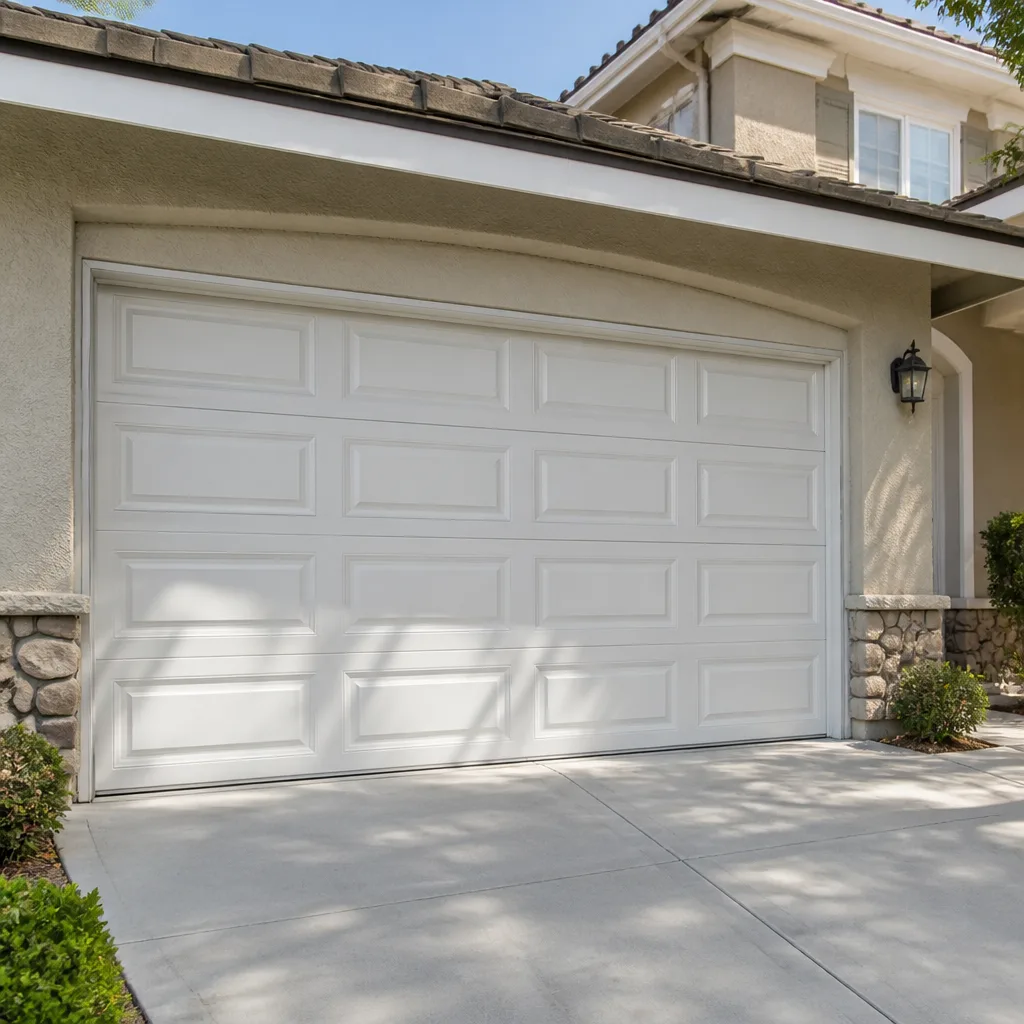 Raised-panel steel
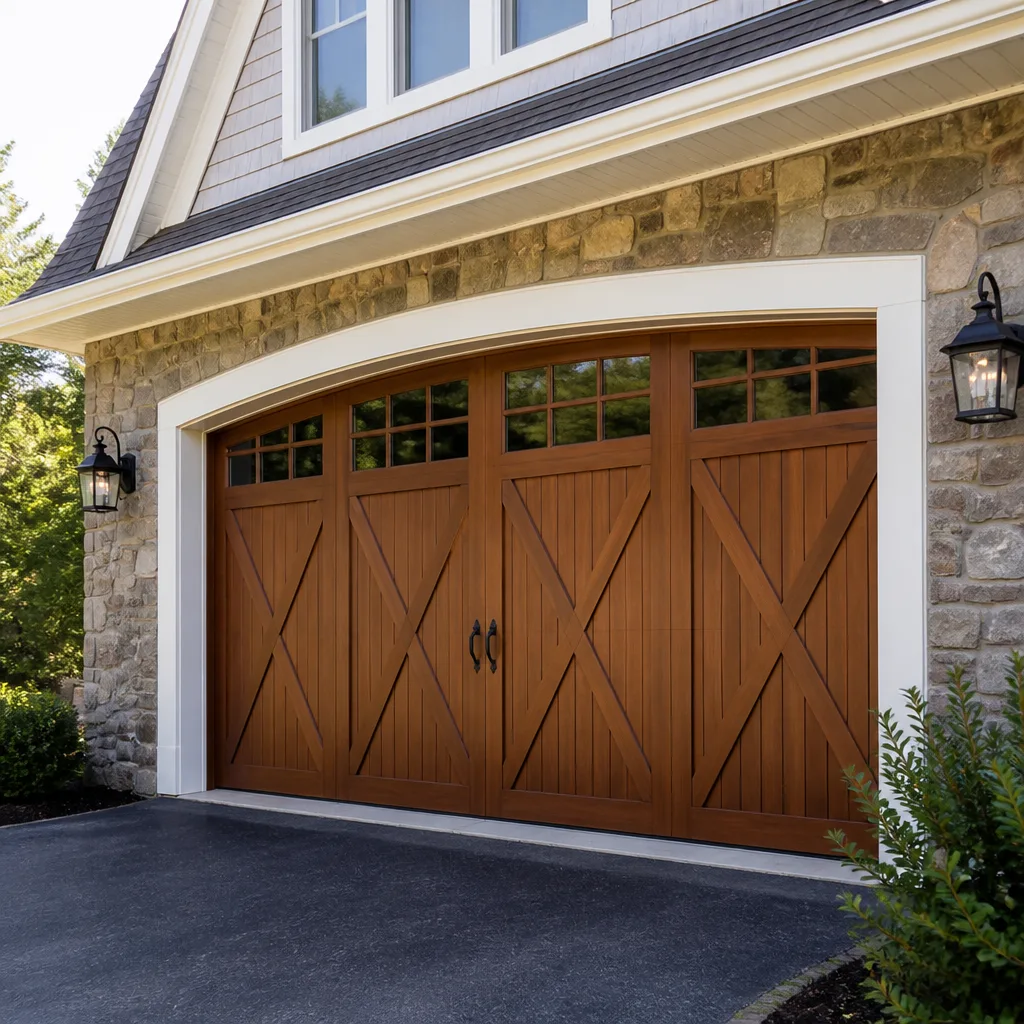 Carriage house
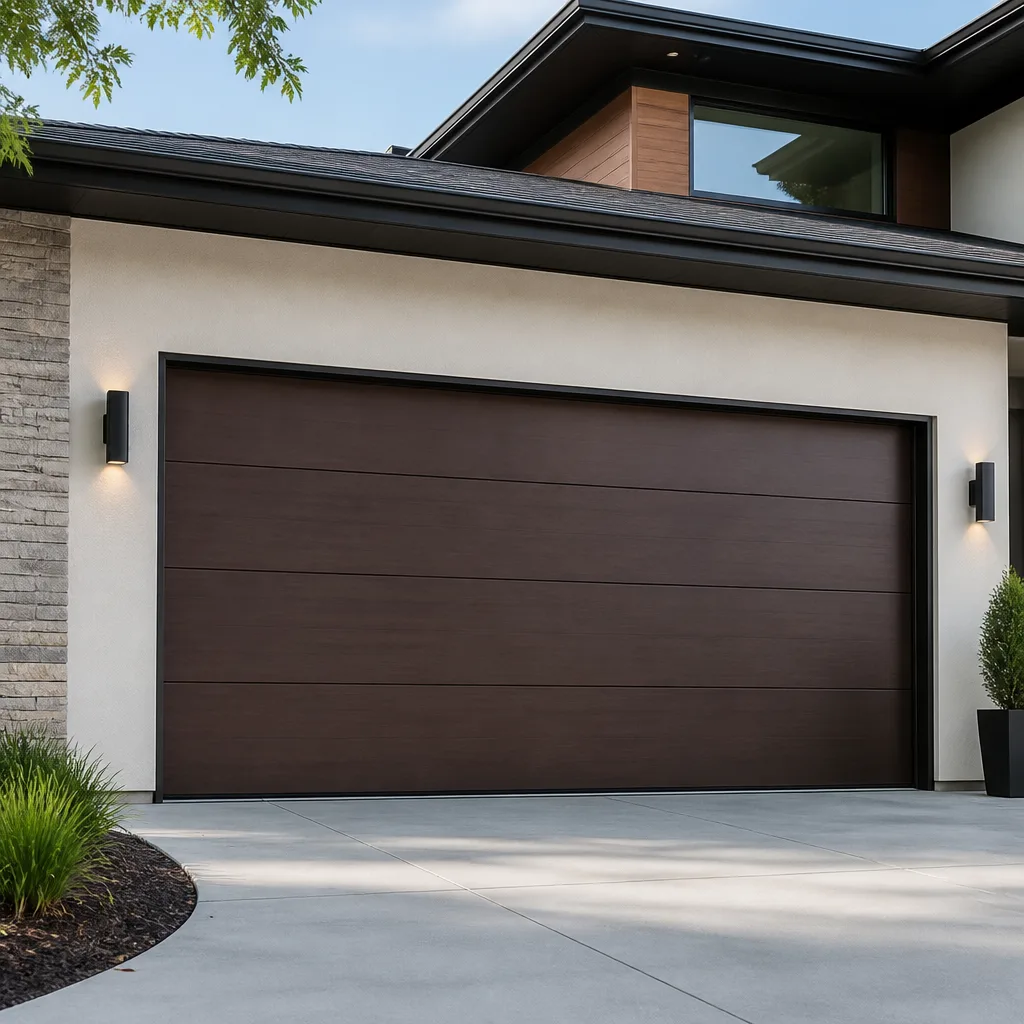 Modern flush
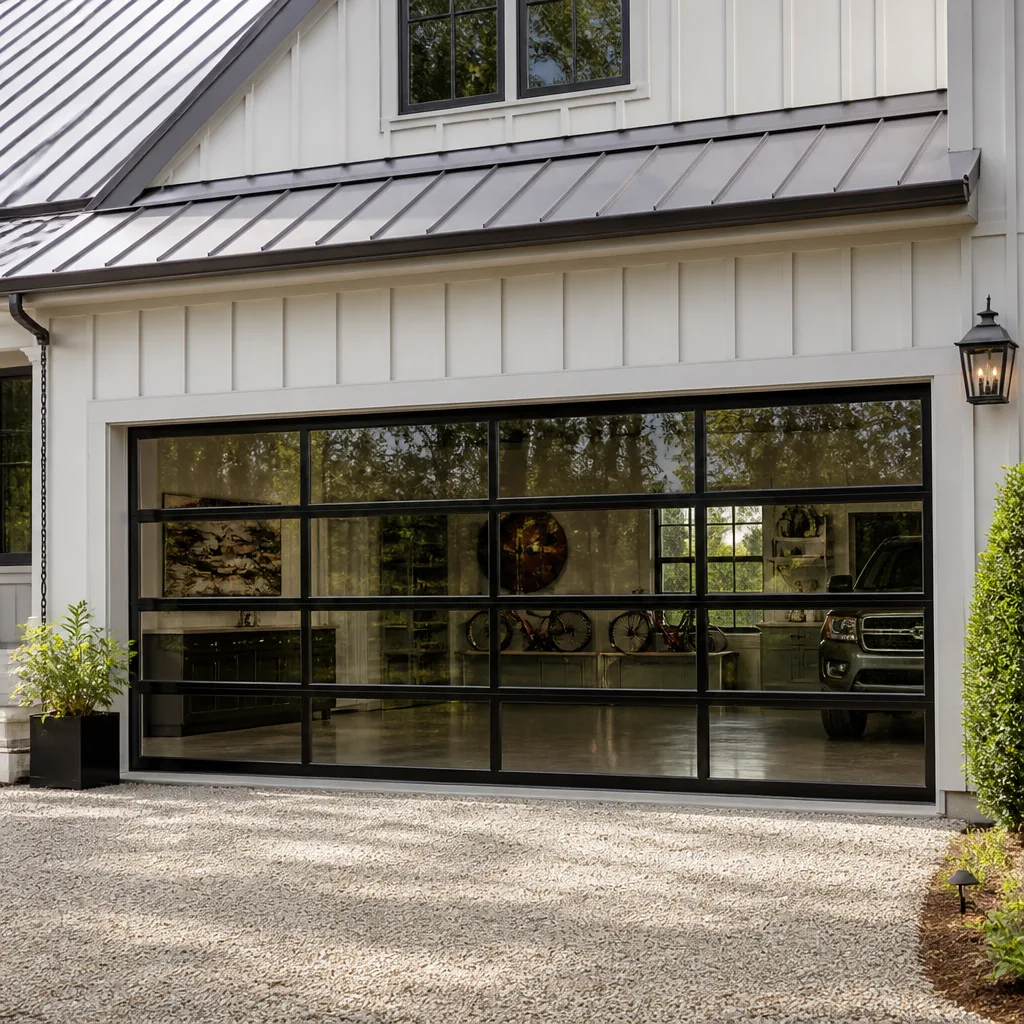 Full-view glass
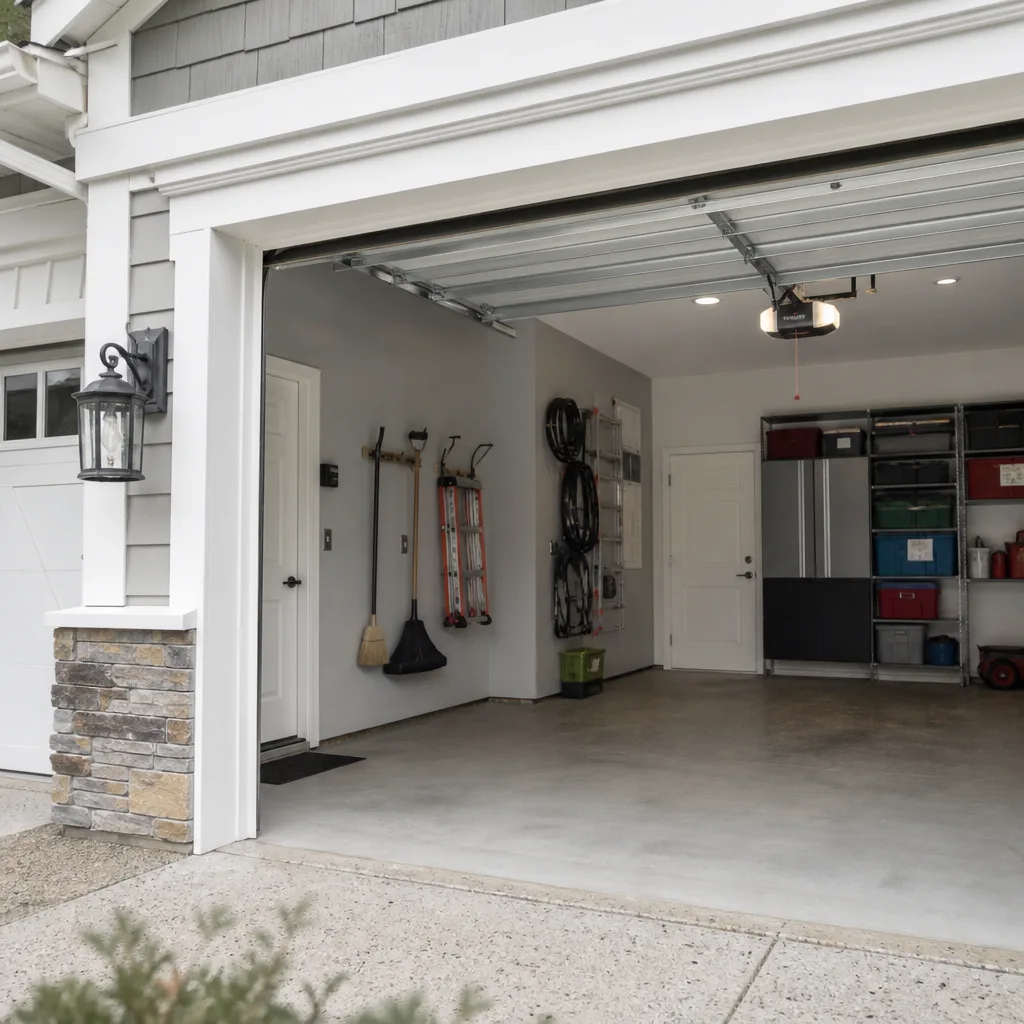 LiftMaster openers
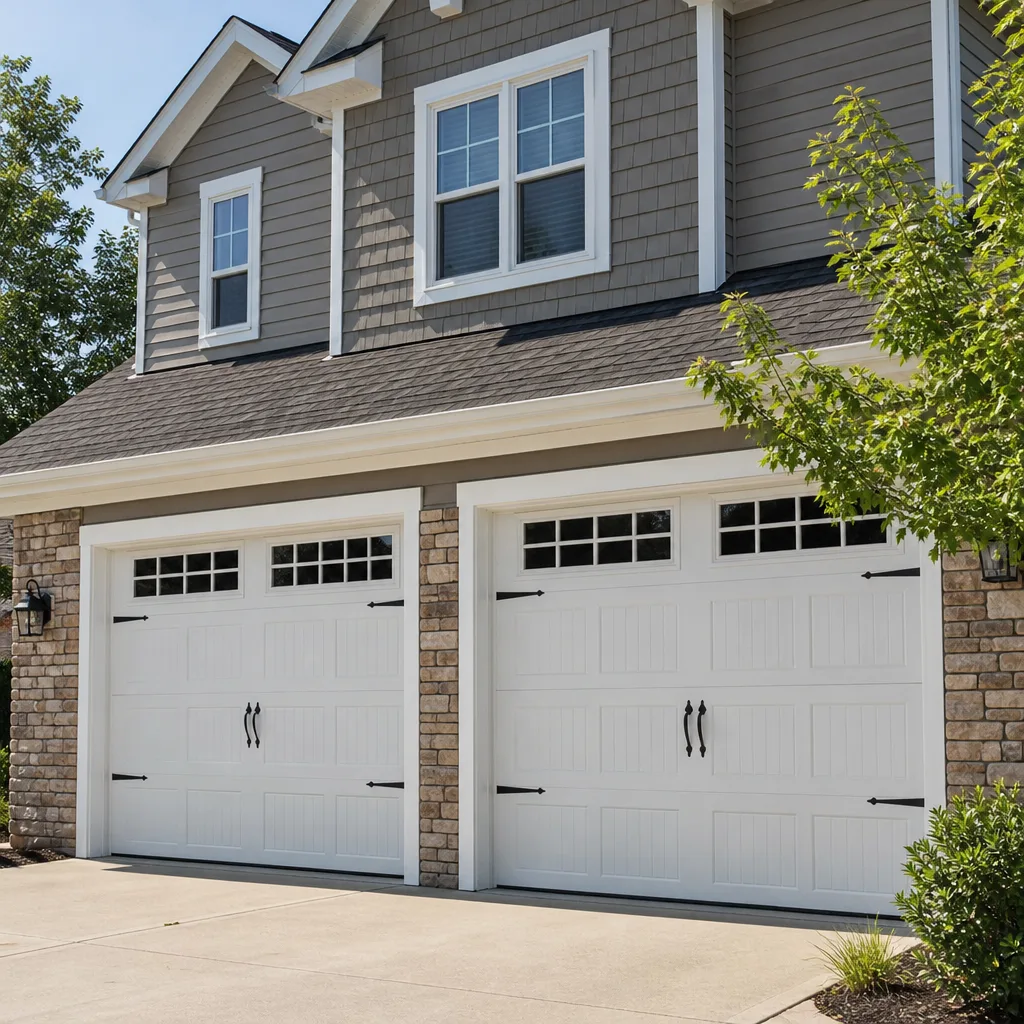 Chamberlain openers
Full 25-point door and opener safety check with every visit - springs, cables, rollers, tracks, and your LiftMaster or Chamberlain opener included
You get a price before we start. It does not change when the truck arrives.
Get your free estimateSeasonal Garage Door Care for Chula Vista: Year-Round Homeowner’s Guide
June Gloom in Chula Vista isn’t just a mood; it’s a mechanical event. Between May and July, the marine layer can keep morning relative humidity above 85% for hours at a time, and we’ve seen what that does to garage doors that never get a second thought until they stop working. Wood panels swell, bottom seals peel away, and the salt-laced damp air accelerates corrosion on tracks and hinges far faster than a dry desert climate ever would. This guide will teach you exactly what your garage door faces during each phase of Chula Vista’s distinct coastal cycle, what to inspect, and what to do before minor wear becomes an emergency call. For a deeper dive, see our Complete Guide to Garage Door in Chula Vista.
Styles & brands we work with
Quick Answer
Seasonal garage door care in Chula Vista means aligning your maintenance with the region’s actual calendar, as detailed in our Complete Garage Door Repair Guide for Chula Vista Homeowners: humidity treatments and seal checks during the May through July marine layer season, spring and cable inspections after the October through November Santa Ana wind events, and drainage and threshold verification during the December through March rains. Homeowners should also account for UV damage year-round, since Chula Vista’s 266 sunny days per year fade painted steel, fiberglass, and faux-wood finishes noticeably faster than in inland climates.
Table of Contents
- June Gloom and Coastal Humidity (May – July)
- Santa Ana Wind Events (October – November)
- Rainy Season and Clay Soil Movement (December – March)
- Year-Round UV Exposure and Panel Fade
- Your 12-Month Care Calendar for Chula Vista
- Monthly and Quarterly Maintenance Tasks
- Common Mistakes to Avoid
- When to Call a Professional
- Frequently Asked Questions
- The Bottom Line
June Gloom and Coastal Humidity (May – July)
Chula Vista sits close enough to the Pacific that the marine layer lingers over many homes from late spring into midsummer. For your garage door, the problem is not the marine layer’s gloom but its moisture. Relative humidity above 85% for consecutive mornings means condensation forms on metal tracks, hinges, and springs, and it lingers long enough to do real work.
Wood doors, including many carriage-house style panels common in Chula Vista’s EastLake and Rolling Hills Ranch neighborhoods, absorb that moisture through gaps in the finish. The panel edges swell, the door binds in its track, and the paint or stain begins to lift. Bottom seals, usually a single vinyl or rubber flap along the door’s lower edge, lose adhesion to the panel after repeated wet-dry cycles. We regularly see doors in older Otay Ranch homes with seals hanging loose by August because the adhesive failed sometime in June.
Inspect during May, before the marine layer peaks, and again in late July:
- Run a dry hand along the inside bottom edge of the bottom panel. Any bubbling, softness, or peeling seal means moisture is already getting in.
- Check the track bolts at the wall brackets and the horizontal track curve. Rust blooms there, and loose bolts under rust never re-tighten cleanly later.
- Wipe down the torsion spring above the door. A light film of household oil on the spring coils is fine, but avoid greasing the cable drums, which rely on friction to stay put.
- Look closely at the vertical track where the rollers ride. Chula Vista’s damp spring air accelerates surface rust; light rust on the track face is okay, but deep pitting can cut roller bearings and make the door stick.
For painted steel doors and faux-wood composite doors, this is the season to catch small paint chips. A chip left exposed through June Gloom becomes a corrosion point by Labor Day. Keep a touch-up kit matched to your original door color and seal bare metal within a day of noticing it.
Santa Ana Wind Events (October – November)
Santa Ana winds hit Chula Vista differently than they hit East County. The winds come down the canyons and across the mesas, pushing against garage doors with sustained pressure and sudden gusts. What fails first is usually not the door panel itself but the balance system that holds the door in place when it’s closed and halfway open.
When wind gusts press against a closed garage door, the torsion spring system absorbs the flex. Springs have a fixed number of cycles, and Santa Ana season effectively spends more of them in a few weeks than normal operation does in months. We often see doors that worked fine all summer develop an imbalance in late October: the door drifts when held at the halfway point, or the opener’s motor starts sounding strained because it’s now lifting extra weight.
After any major Santa Ana event in Chula Vista, do these six things:
- Close the door and stand back. Check that the panel line is flush against both side jambs with no daylight gap. Wind pressure can bow a panel permanently, especially on older single-skin steel doors.
- Open the door halfway and let go of the release handle. A properly balanced door stays put. A door that drifts down or up has a spring issue; continuing to run it will damage the opener motor.
- Inspect the lift cables on both sides where they spool onto the drums. Look for frayed strands and any pick-up in the cable that indicates a stretched or slipped line.
- Watch the opener trolley rail for side-to-side play. Strong gusts can knock the rail mounts slightly loose, and a loose rail eventually causes the carriage to jump the sprocket.
- Test the auto-reverse safety system by placing a 2×4 flat on the floor under the closing door. The door should reverse within two seconds of contact.
- Listen for new sounds. A grinding or rattling that appears after a wind event is rarely a coincidence.
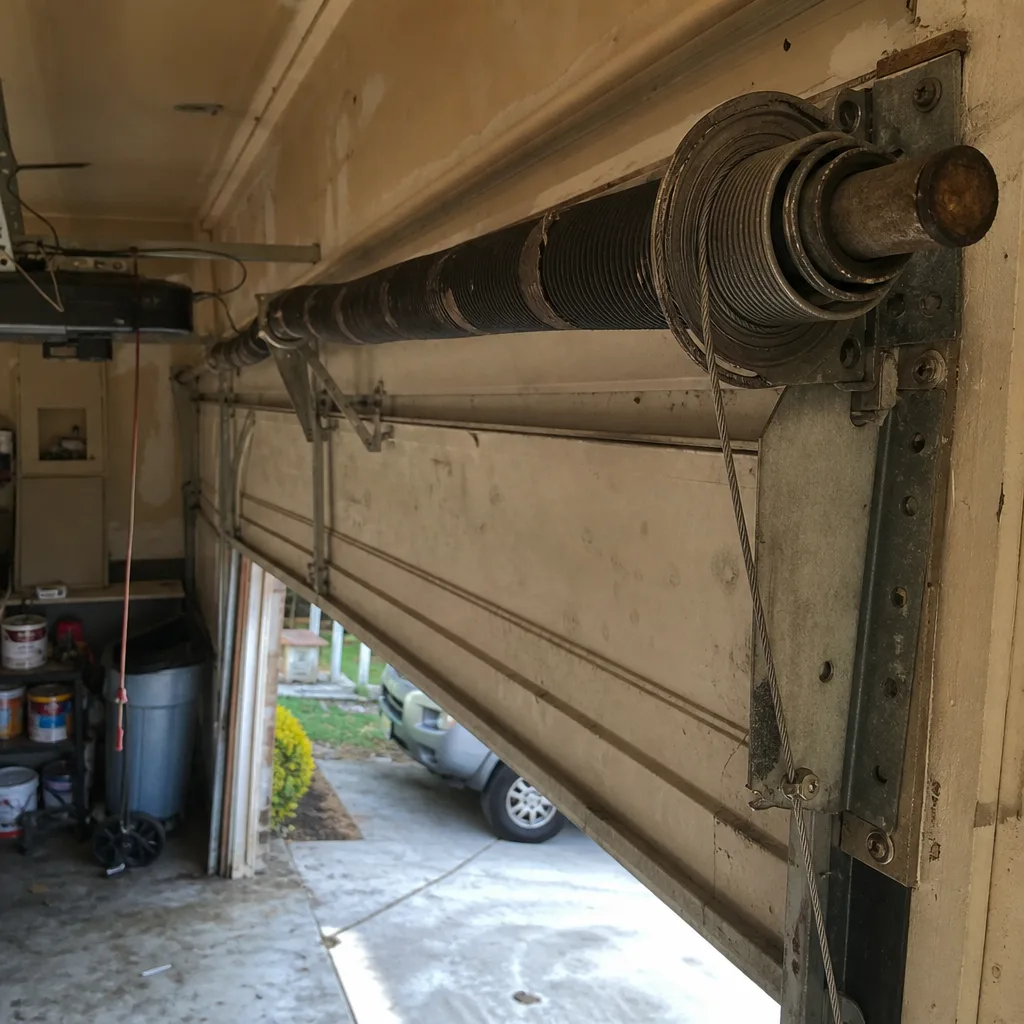
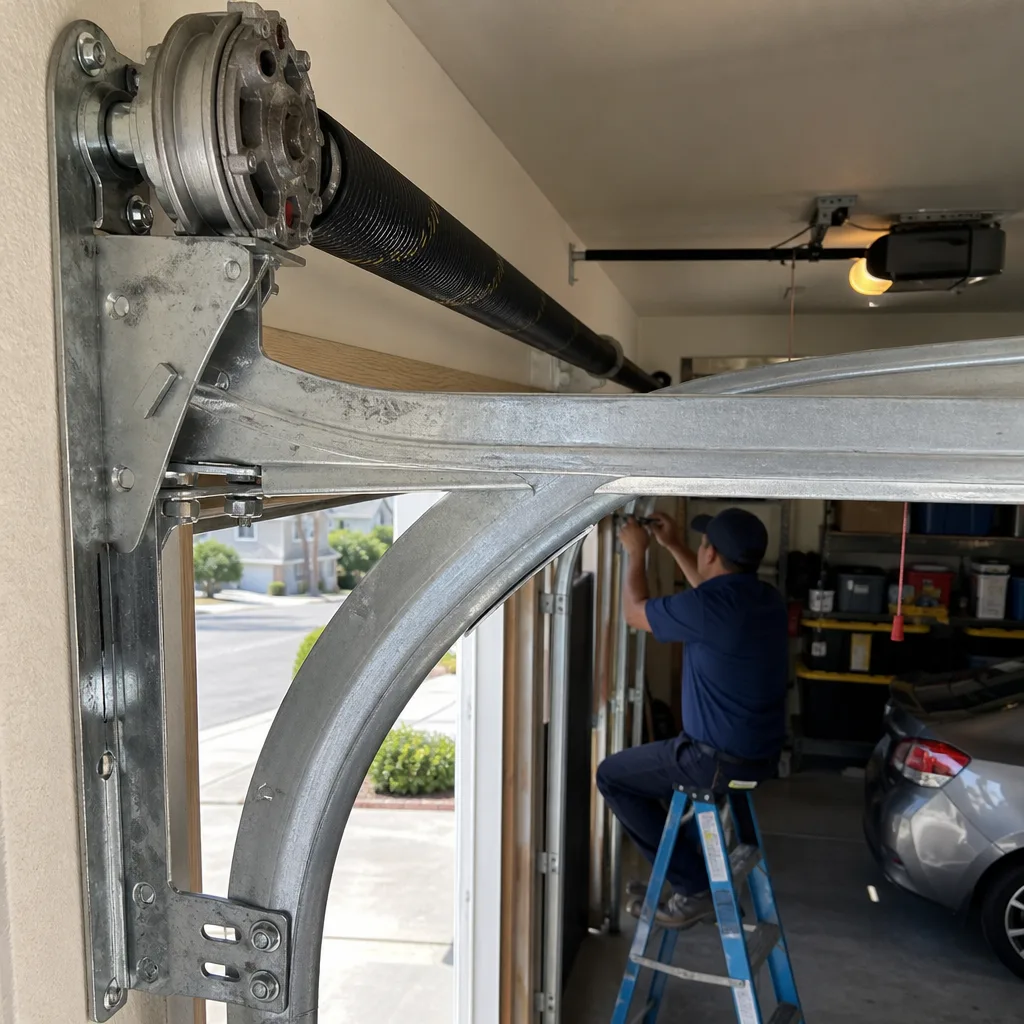
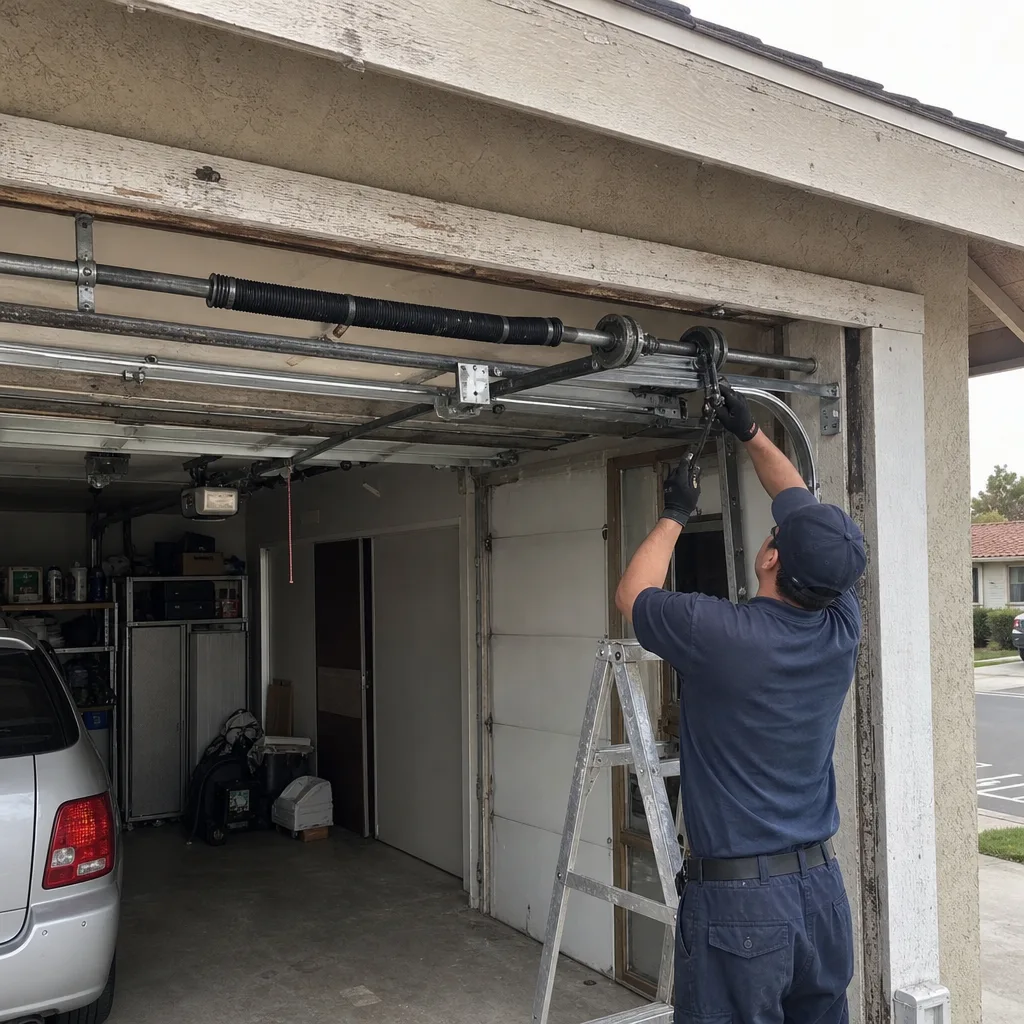
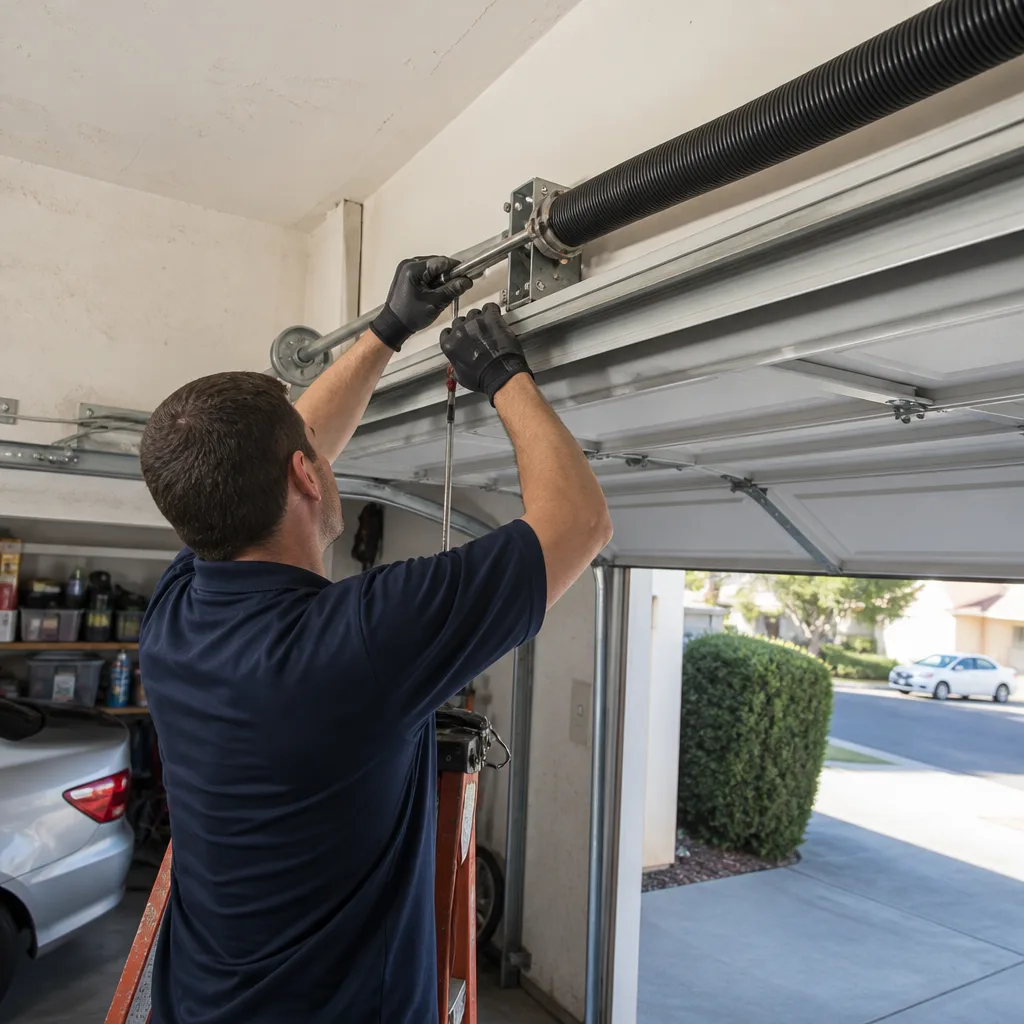
Safety note: the torsion springs above your door are under enough tension to cause serious injury if they snap or release unexpectedly. Do not attempt to wind, unwind, or replace them yourself. Garage Door Repair in Chula Vista is a job for a trained technician with the correct winding bars and an understanding of the specific spring configuration on your door.
Rainy Season and Clay Soil Movement (December – March)
Chula Vista gets most of its yearly rainfall between December and March, and the city’s clay-rich soil expands dramatically when saturated. The slab under your garage shifts subtly, and when it does, the gap between the floor and the bottom of your garage door changes. A door that sealed perfectly in October can show a visible light gap under one corner by February.
This is the season when water intrusion problems surface. In neighborhoods built on heavier clay soils, like parts of Castle Park and areas near the Sweetwater River floodplain, we see seasonal slab movement that opens seal gaps of a quarter inch or more. Standing water along the door’s interior threshold after a storm is the clearest symptom that the seal is no longer making contact.
Rainy season inspection sequence for Chula Vista homeowners:
- On a dry day after the first significant rain of the season, close the door and run a garden hose in a controlled stream along the outside threshold. Watch for water appearing at any point along the interior threshold.
- Look at the rubber threshold strip under the door. If it’s flattened in some spots and proud in others, it’s sealing against the floor unevenly because the slab has moved.
- Check the exterior drainage around the garage slab. Downspouts and pavement slopes should direct water away from the door opening. Water pooling within a foot of the door during storms will find its way in.
- Inspect the top of the door where it meets the header. Wind-driven rain occasionally gets pushed under the weatherstrip at the top corners, and many Chula Vista homes face southwest where storms arrive.
- Examine the side weatherstrips. Rain driven at an angle gets past brittle strips quickly, and Chula Vista’s salt air accelerates brittleness in rubber seal materials.
If you find a gap, the short-term fix is often adjustable, but remember that a door that seals today may not seal after the next clay expansion cycle. We recommend checking the threshold seal every six weeks during the rainy season.
Year-Round UV Exposure and Panel Fade
Chula Vista averages 266 sunny days per year, which sounds pleasant and is, but it is also a slow, continuous assault on garage door finishes. UV radiation degrades paint binders, fades synthetic wood-grain laminates, and cracks older fiberglass panels more aggressively than most inland climates because the clear coastal air delivers more direct sunlight per day than smog-filtered urban basins.
Most manufacturers rate their standard paint finishes for roughly five to ten years of normal exposure. In Chula Vista’s coastal sun, we see visible fading on south-facing and west-facing garage doors in as little as four. The side of the door that faces the afternoon sun fades first, so uneven fading is common and is a useful early indicator: one panel noticeably lighter than the one next to it usually means the finish is failing, not just dirty.
We work across the leading door brands, including Raynor, Amarr, and Clopay, and their finish systems vary. Powder-coated steel resists UV better than wet-painted steel, and newer faux-wood composites use UV-stable polymers that hold color substantially longer than older laminates. But the practical reality in Chula Vista is the same for all of them: refinish before the underlying material shows through.
Signs you should refinish rather than replace:
- The topcoat is cloudy or chalky to the touch but the panel itself is smooth and unwarped.
- Fade is even across the door and the color is simply lighter than the trim.
- Panels have no rust-through, delamination, or structural flex.
- The door is under 15 years old and the hardware is otherwise sound.
If a south-facing door has multiple panels with deep cracks, visible rust, or a laminate that has peeled to the substrate, replacement panels may cost less than repeated refinishing over the remaining life of the door. A free visual evaluation in Chula Vista will give you a straight answer on whether refinishing is worth it.
Your 12-Month Care Calendar for Chula Vista
Generic seasonal guides written for four-season climates tell Chula Vista homeowners to “prepare for winter” in October. That is useless advice here. A useful garage door care calendar follows the city’s actual climate events, which repeat every year with remarkable reliability.
January (rains active): Check the interior threshold after every heavy rain for standing water. Verify that the door’s auto-reverse safety sensor is not blocked by wet leaves or debris that storms push into the sensor path.
February (rains peaking): Inspect the bottom seal by flashlight at night with the door closed. Light visible under the seal means water can get under it. Check weatherstrips on all three sides for brittleness and compression recovery.
March (rains tapering): Wipe down the tracks and clean the rollers with a dry cloth. Look for rust forming at the bottom bracket plates, which sit in the splash zone during the wet season.
April (transition month): Lubricate hinges, rollers, and the torsion spring with a garage door-specific spray lubricant. Do not use WD-40 on rollers or the spring; it displaces the heavier lubricant that bearings need.
May (June Gloom begins): This is the month to inspect wood and composite doors for finish failure and edge swelling, before the dampest part of the year compounds any existing damage. Reseal bottom seals that show lift at the corners.
June (peak marine layer): Run a dehumidifier in the garage if you store paper, fabric, or tools sensitive to rust. Check steel door panel backs for condensation staining. Keep the garage door open for 20 minutes on clearer afternoons to flush humid air.
July (marine layer lingers): Re-torque track bolts. Humidity cycles plus thermal expansion back the bolts out slowly, and this is the time of year when loose tracks cause rollers to bind most often.
August (driest transition): Inspect the finish on east-facing doors, which get direct morning sun and show chalk fade differently than west-facing panels. Schedule any panel refinishing now, while dry air gives paint its best curing conditions.
September (pre-Santa Ana): Test the door balance manually. Disconnect the opener with the release cord and move the door by hand through its full travel. Any catch, grind, or imbalance should be addressed before wind season adds stress.
October (Santa Anas begin): Inspect the spring coil gap for deformation and check the cables for early fraying. Tighten the opener rail mount bolts. Clean the sensor lenses; wind-driven dust coats them in Chula Vista within days.
November (Santa Anas peak): After each major wind event, walk around the closed door and look for new panel flex marks or daylight at the jambs. Check the opener trolley for unusual play.
December (rain returns): Verify that the exterior soil and paving around the garage floor still slope away from the slab. Re-level low spots that formed during the summer dry cycle, because these now channel water toward the door.
Monthly and Quarterly Maintenance Tasks
You do not need to dedicate a full weekend to your garage door. Fifteen minutes a month, plus a longer 30-minute check each quarter, covers the vast majority of preventive maintenance for a typical Chula Vista home.
Monthly tasks:
- Watch and listen as the door completes one full open-close cycle. New grinding, squealing, or hesitation is the first warning sign of a developing problem.
- Check the safety sensor lenses for dust, pollen, or spider webs, and wipe them with a dry cloth.
- Visually inspect both lift cables for fraying and the spring for separation or rust bloom.
- Make sure the area around the door’s exterior threshold stays clear of leaves, soil, and debris that can trap water.
Quarterly tasks:
- Test the auto-reverse mechanism with a roll of paper towels laid flat in the door’s path. The door should reverse without crushing it.
- Lubricate moving parts with a garage door-specific lubricant: hinges, roller stems, spring coils, and the opener chain or screw drive.
- Hand-balance the door (release the opener and move the door through its range by hand) to catch spring fatigue before it becomes an emergency.
- Inspect the weatherstrips and bottom seal by running a hand along their full length, feeling for gaps, tears, or sections that no longer spring back.
- Check track alignment visually from inside and outside. Parallel tracks, even roller wear, and no fresh metal shavings on the floor under the track are the markers of a healthy system.
Most homeowners can handle these inspections safely. The exception is any work involving the torsion spring assembly, which carries stored mechanical force even when the door is fully closed. If a monthly check reveals a spring issue, leave the door in place and call a professional.
Common Mistakes to Avoid
- Ignoring minor rust in May because it looks superficial. Under Chula Vista’s June Gloom humidity, light surface rust becomes deep pitting in weeks. A quick wire brush and touch-up paint in May costs a few dollars; replacing a rusted track section in September costs a service call.
- Treating all lubricants as interchangeable. Household oil, WD-40, and white lithium grease behave differently. Using WD-40 on rollers or hinges strips the heavier factory grease and leaves parts running dry. Use a silicone or lithium-based product specifically formulated for garage door hardware.
- Waiting until the first rain to check the bottom seal. In Chula Vista, the first December storm is a stressful time to discover your seal has been failing since spring. Check the seal in October, during the Santa Ana dry spell, when repair conditions are easy and materials are readily available.
- Assuming a drifting door is normal for an older model. A door that drifts down when released at the halfway point always indicates a balance problem, usually a tired spring. Continuing to run the door with the opener strains the motor and causes premature failure.
- Painting over rust without removing it first. Topcoating rust does nothing but hide active corrosion. The rust continues underneath and bubbles through within a year. Wire brush first, treat with a rust converter, then prime and paint.
- Neglecting the opener rail during Santa Ana season. Wind vibration loosens motor mounts and rail brackets faster in October and November than any other time. A loose rail leads to stripped gears and a jammed carriage, which is a far more expensive repair than a five-minute bolt check.
- Relying on the opener’s force settings as a safety system. The force setting on the opener is not the same as the auto-reverse sensor, and neither replaces a working mechanical balance. If the door is out of balance, no opener setting will make it safe.
When to Call a Professional
Some maintenance jobs are simple enough for any careful Chula Vista homeowner. Replacing torn weatherstrip, wiping down tracks, cleaning sensors, and treating light surface rust are all within reach. But there is a clear line where professional intervention is the right call, not an upsell.
Call a garage door specialist if your door drifts when released at the halfway point, if you hear a loud bang from the spring area, if the cables look frayed or are hanging loose, or if the door comes off its tracks. These are not progressive issues that heal with time; they are failures that will strand your car in the garage or injure someone when they finally let go. Torsion springs and lift cables carry stored energy and are genuinely dangerous to work on without the right training and tools.
We also recommend a professional check whenever you move into a new home in Chula Vista, particularly an older home near the coast where the previous owner’s maintenance history is unknown. Chelsea Garage Door Service offers free estimates in Chula Vista – call (877) 626-0097. For more guides & resources, visit our blog.
Frequently Asked Questions
Most Chula Vista homes should have a professional garage door inspection once a year, ideally in September or October, before Santa Ana wind season adds stress to an already aging spring and cable system. Between professional visits, the monthly and quarterly tasks in this guide will catch most developing problems early. Homes within a mile of the coast may benefit from twice-yearly inspections because salt air accelerates corrosion on tracks, hinges, and springs faster than in East Chula Vista. Call (877) 626-0097 for a free estimate on a Chula Vista inspection.
Wooden garage door panels swell in Chula Vista when the May through July marine layer keeps morning humidity above 85%, causing panel edges to absorb moisture and bind against the track. The fix is usually finish-related: re-seal the panel edges and any bare wood with a moisture-resistant paint or sealant, and check that the vertical track clearance has not been reduced by the swelling. If the door continues to stick after the marine layer clears, the tracks themselves may need realignment.
Santa Ana winds damage Chula Vista garage doors less through direct panel impact and more through sustained pressure that flexes the door, stresses the torsion springs, and loosens opener rail mounts over repeated wind events. The most common wind-related failures we see are doors that suddenly go out of balance in late October, cables that fray where the wind-induced movement causes micro-flexing, and opener carriages that slip because the rail has loosened. A balance check after the first major Santa Ana event is the cheapest insurance against a wind-season breakdown.
You can repaint a steel or composite garage door yourself if you choose a dry stretch, ideally August through October when the marine layer is least active and paint cures most reliably. Prep work matters more than paint quality: remove chalk and loose material, treat any rust, and prime bare metal before topcoating. Expect a repaint on a south-facing Chula Vista door to last four to eight years before noticeable fade returns, depending on the finish system and the amount of direct afternoon sun the door receives.
A basic professional garage door tune-up in Chula Vista typically runs $120 to $200, depending on the door type, condition, and whether the work includes spring adjustment and lubrication. If issues are found during the tune-up, repair costs are quoted separately before any additional work begins. Chelsea Garage Door Service provides free estimates in Chula Vista, and every price is quoted and agreed before the work starts. Call (877) 626-0097 to schedule a seasonal inspection.
First, identify the entry point: run a dry finger along the interior threshold, the side jambs, and the top header while rain is falling or shortly after. Most Chula Vista water intrusion is threshold-related from slab movement that gaps the bottom seal. The immediate fix is an adjustable threshold or a thicker bottom seal, but check the exterior drainage first; if downspouts or pavement are sending water toward the door, steeper grading resolves most persistent leaks. For doors that continue to leak after the threshold is corrected, the slab may have shifted enough to require professional seal adjustment.
The Bottom Line
A garage door in Chula Vista is not fighting snow or ice, but it is fighting something subtler: five months of coastal humidity, two months of dry wind, four months of rain and shifting clay, and 266 days of sun every single year. Each of these seasons pulls at a different part of the system, and a maintenance schedule built around Chula Vista’s actual climate beats a generic quarterly checklist every time. Catch the humidity effects in May, check the balance after the Santa Anas in October, verify the threshold in December, and watch for finish fade on the sun side all year. If something feels off, Chelsea Garage Door Service home is one call away, and we’d rather inspect a small concern than repair a big failure. For opener-specific issues, see our Garage Door Opener Repair in Chula Vista page. If you’re considering a new door instead of maintaining an old one, start with Garage Door Installation in Chula Vista.
Written by the team at Chelsea Garage Door Service, serving Chula Vista since 2014.
See the difference
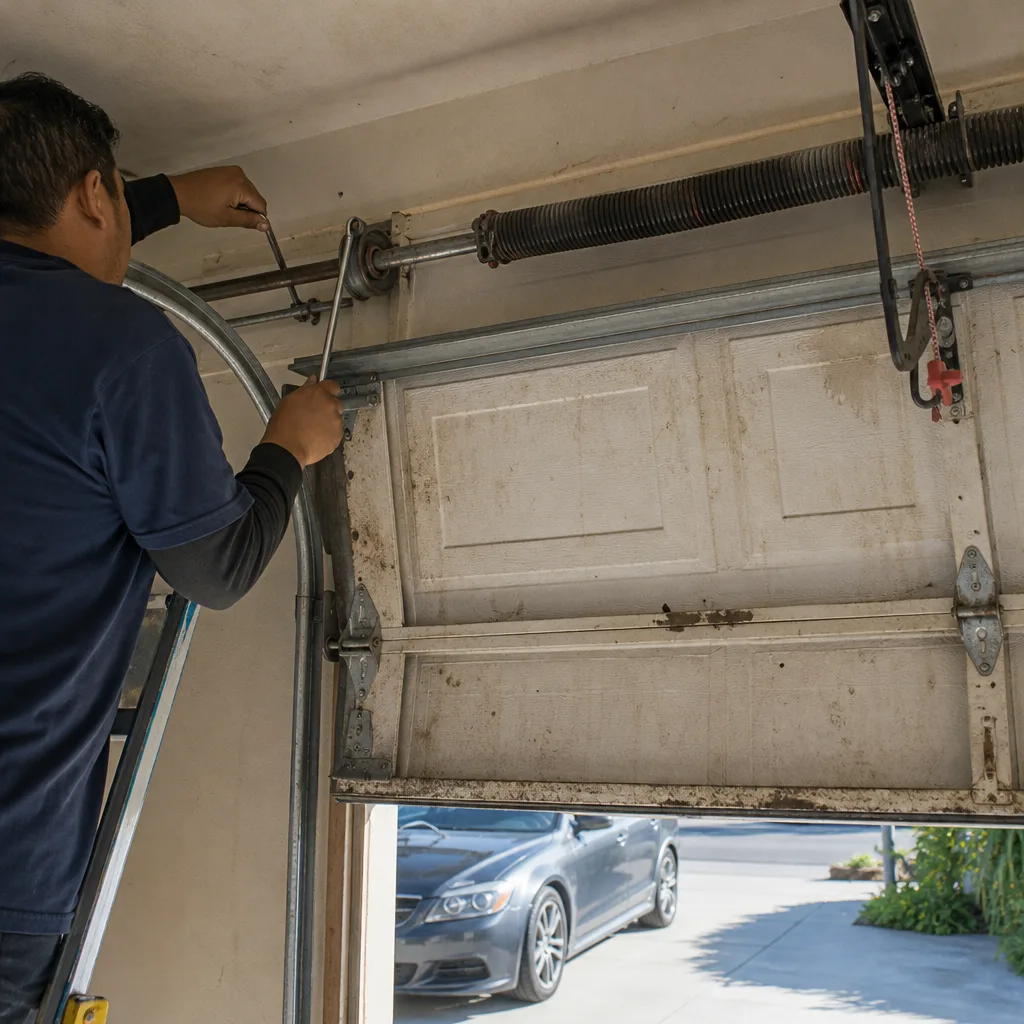 Before
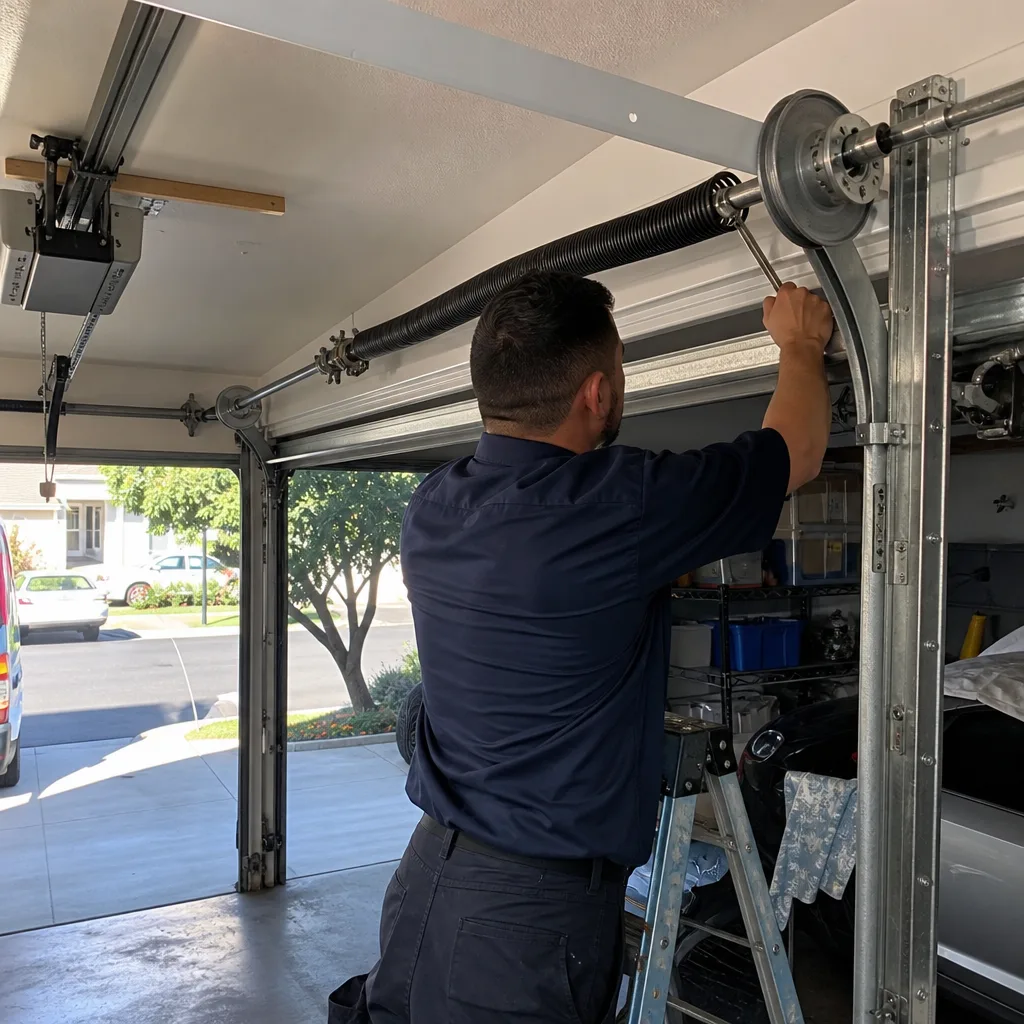 After
 Before
 After
 Before
 After