
Last updated October 31, 2026
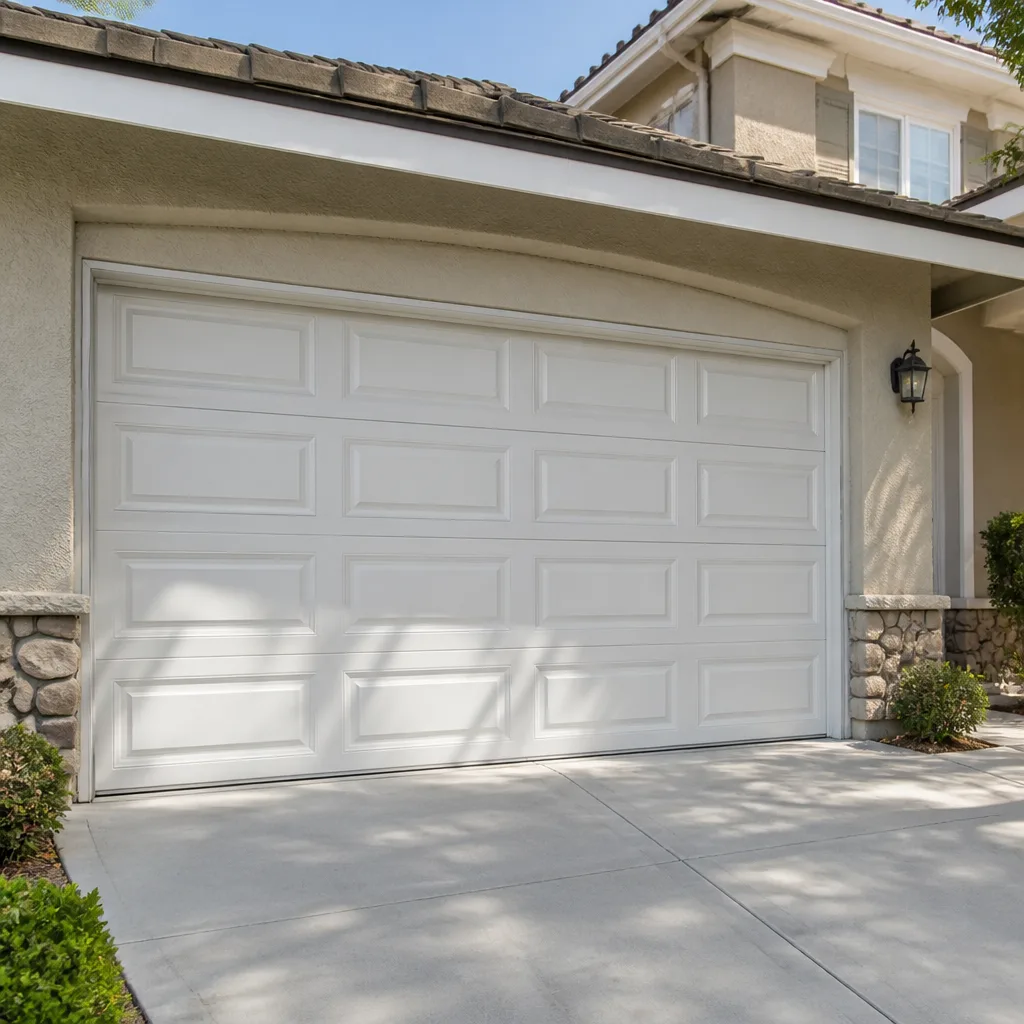 Raised-panel steel
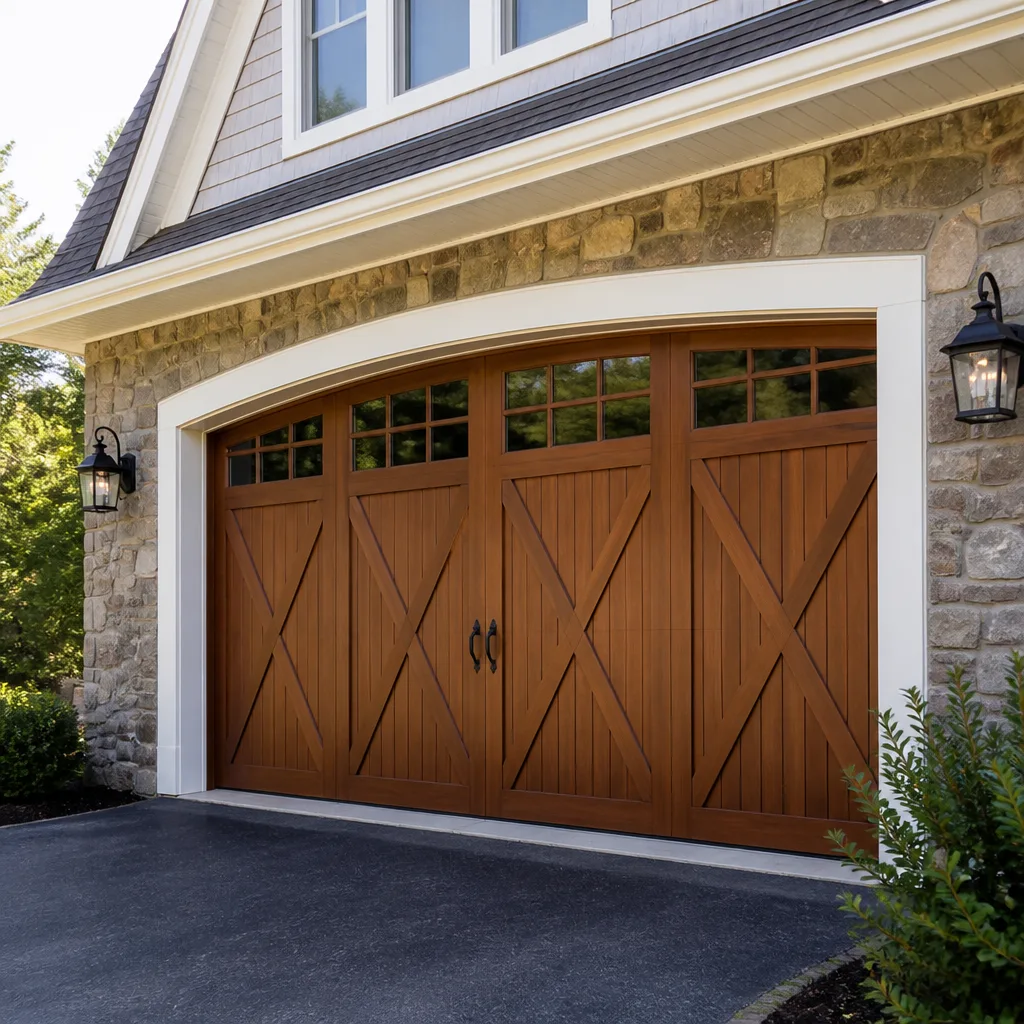 Carriage house
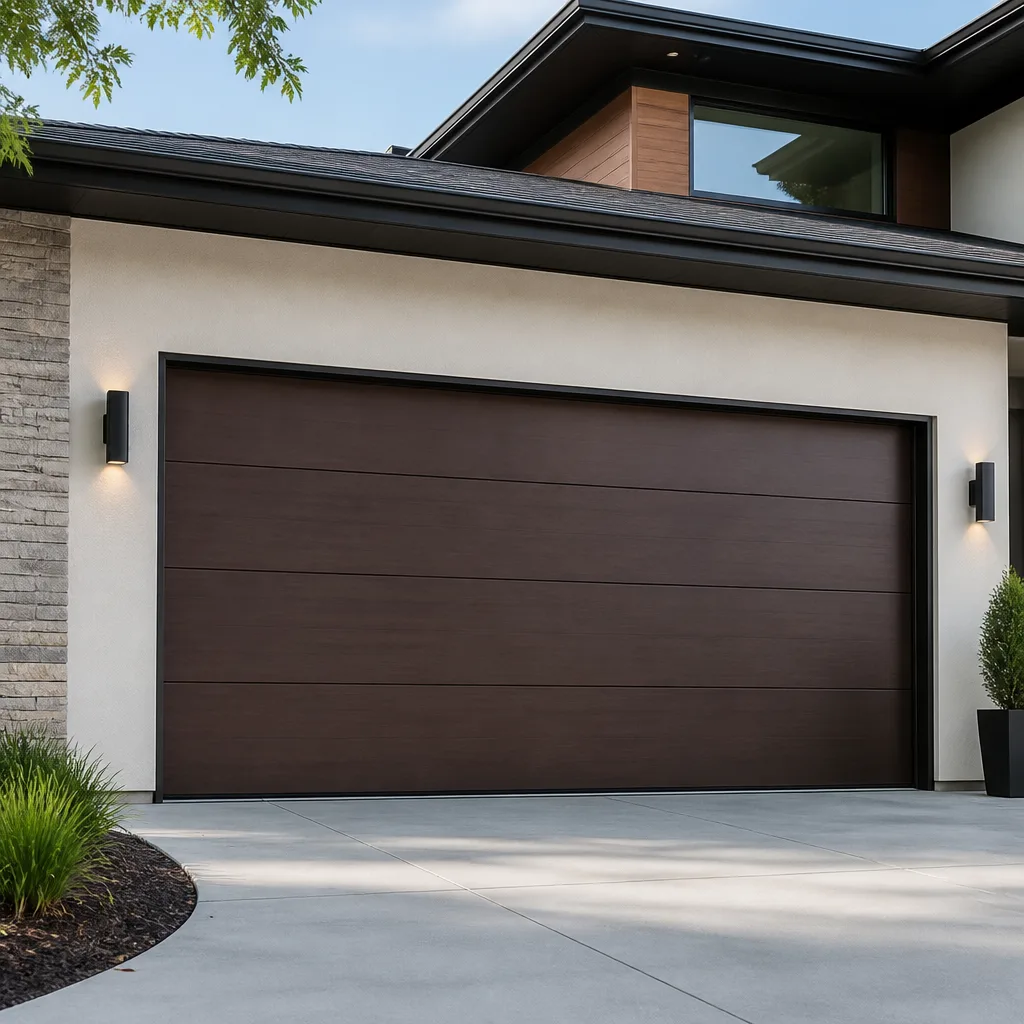 Modern flush
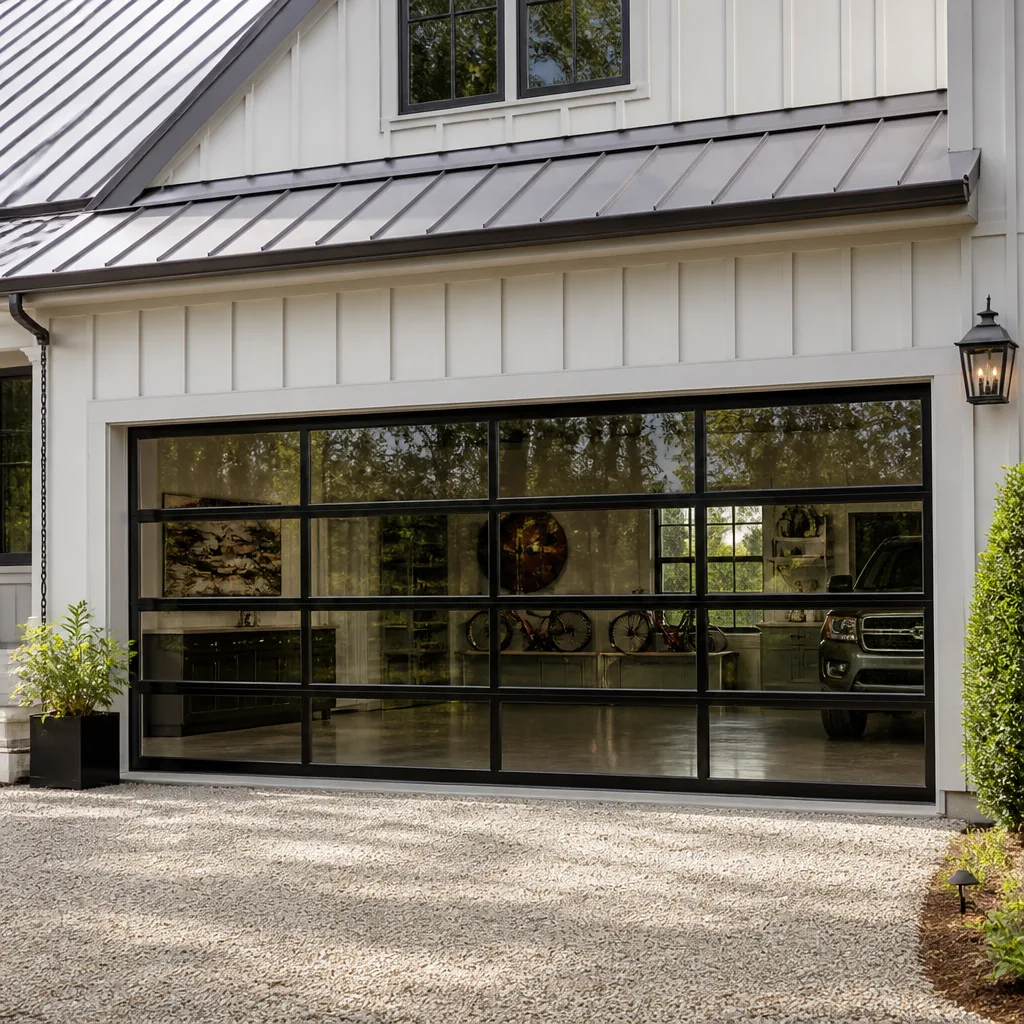 Full-view glass
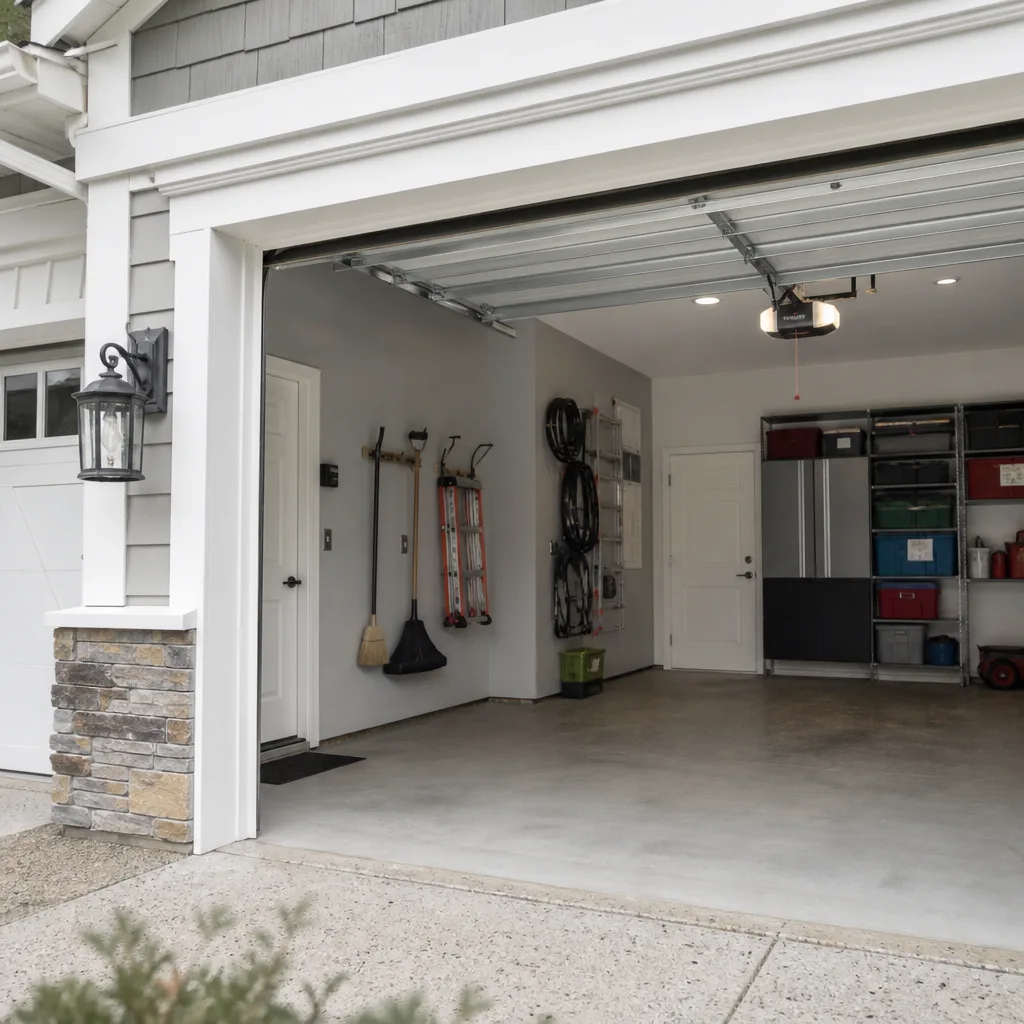 LiftMaster openers
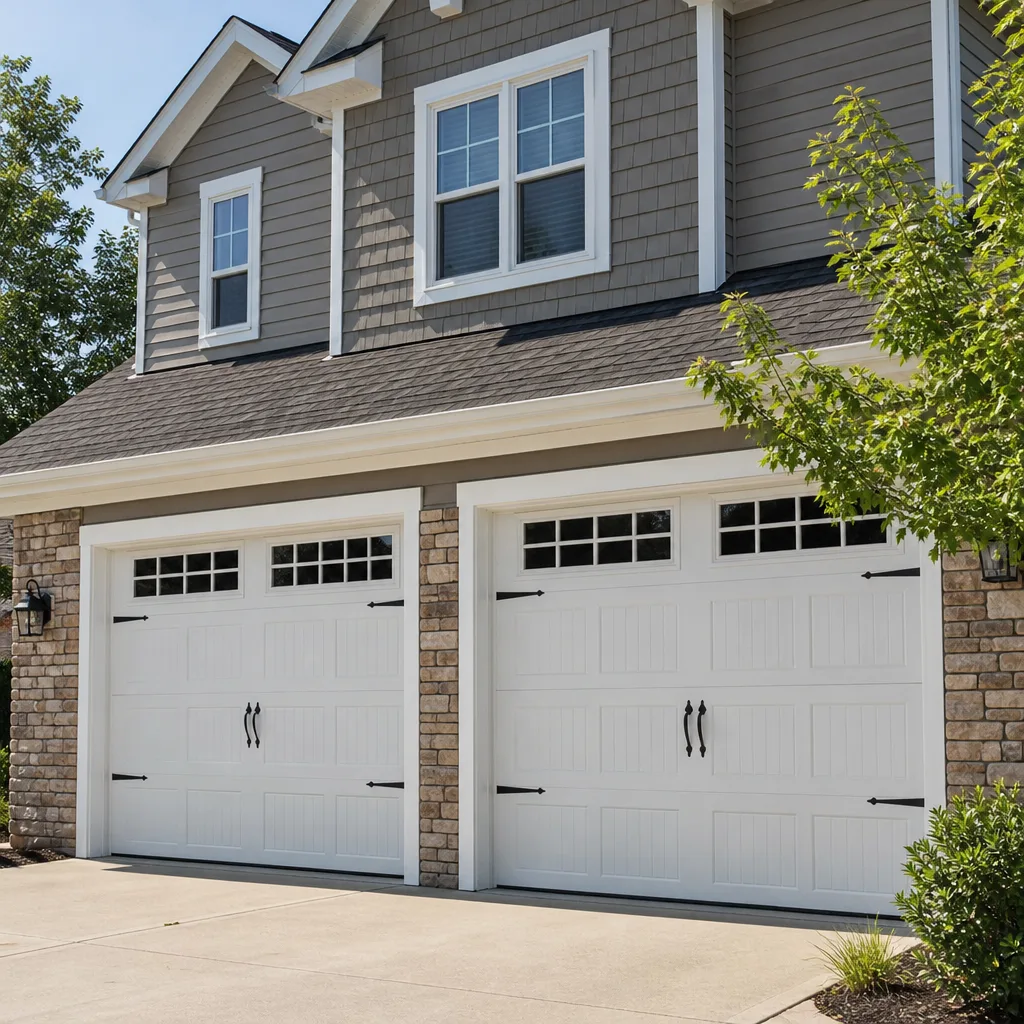 Chamberlain openers
Full 25-point door and opener safety check with every visit - springs, cables, rollers, tracks, and your LiftMaster or Chamberlain opener included
You get a price before we start. It does not change when the truck arrives.
Get your free estimateGarage Door Permits, Codes & Inspections in CA: What You Need to Know
A Chula Vista homeowner replaced their garage door on a quiet Tuesday, hired a handyman, paid cash, and didn’t think about it again for six years. Then they sold the house. The buyer’s inspector flagged the door. No permit on record. The retrofit to bring the opener up to current UL 325 entrapment standards cost $1,850. The permit would have cost about $180. That’s not a cautionary tale we heard secondhand. That’s a pattern we see regularly in Chula Vista, where homes built between 1975 and 2005 carry openers and doors that were installed under codes that don’t match what California requires today. This guide explains exactly when a garage door project in California triggers a permit, what Chula Vista’s Development Services Department actually checks during an inspection, and where the expensive surprises hide. For more guides & resources, see our blog. You’ll learn the difference between a straight swap and a structural change, what fire-rating means for attached garages, and what your disclosure obligation is when you sell.
Styles & brands we work with
Quick Answer
Most garage door replacements in California do not require a permit when they are a like-for-like swap with no structural modification to the rough opening, header, or adjacent fire-rated walls. A permit is required when you alter the opening size, replace or modify the header, install a door in a wall that is required to be fire-rated, or touch any structural framing. In Chula Vista, the Development Services Department enforces both the California Residential Code and specific local amendments, and unpermitted work can create a legally required disclosure when you sell the home. For a deeper look at warning signs, see our Garage Door Warning Signs: A Chula Vista Homeowner’s Reference Guide.
Table of Contents
- When a Garage Door Replacement Requires a Permit in California
- What Counts as a Straight Swap: The Exemption You Actually Have
- Pulling a Permit in Chula Vista: Process, Timeline, and Inspection
- UL 325 Compliance: What Your Opener Needs and Why Older Chula Vista Homes Fall Short
- Fire-Rated Door Requirements for Attached Garages
- Unpermitted Work and California Civil Code 1102: Your Disclosure Obligation
- What a Garage Door Permit Actually Costs in Chula Vista
- Common Mistakes to Avoid
- When to Call a Professional
- Frequently Asked Questions
- The Bottom Line
When a Garage Door Replacement Requires a Permit in California
California building code doesn’t have a single line that says “garage door replacement: permit or no permit.” Instead, permit triggers come from the California Residential Code (CRC), specifically sections covering structural work, fire-rated assemblies, and life-safety components like automatic reverse systems. Here’s what actually triggers a permit for a garage door project.
A permit is required when any of these conditions apply:
- The rough opening changes. If you’re widening, narrowing, or heightening the framed hole the door sits in, that’s structural framing work. This almost always requires a permit because you’re modifying wall framing that supports the header above the opening.
- The header is replaced or modified. The header is the load-bearing beam that spans the top of the garage door opening. Altering it changes how weight transfers through the wall. Even reducing the opening height by a few inches can require a new header and a permit.
- The wall is fire-rated. In attached garages, the shared wall between the garage and living space must meet a fire separation standard. If the door penetrates or adjoins that wall, the installation affects the assembly’s integrity. This is a permit trigger many contractors either don’t know or don’t want to know, because it adds time and inspection cost.
- You’re adding a door where none existed. Cutting a new opening in a garage wall, even a side wall, is structural work. Permit required. No gray area.
- The project includes electrical work for a new opener circuit. Installing a new outlet, running new wiring, or adding a dedicated circuit for an opener falls under the California Electrical Code and requires a permit.
What does not require a permit in California is replacing an existing door with a new door of the same size, in the same opening, using the same mounting points, with no structural modification and no change to the fire-rated assembly. That’s a straight swap, and the code treats it like replacing a water heater with the same model: the building already covers it, and the new component simply replaces the old one. We’ll dig into that more below.
What Counts as a Straight Swap: The Exemption You Actually Have
The most common garage door project in Chula Vista is replacing an aging sectional door with a new sectional door, same width, same height, same track configuration. This is a straight swap, and under California’s building standards, it is exempt from permit requirements as long as you don’t touch the framing and don’t alter the fire-rated assembly. The exemption exists because the state’s code officials recognize that garage door replacement is routine maintenance, not construction.
But “straight swap” is doing a lot of work in that sentence. Here’s what has to be true for the exemption to apply:
- The new door fits the existing rough opening without any modification to the framing, header, jambs, or sill.
- The existing mounting hardware and track system remain in their original locations, or the new track mounts to the same structural points.
- No fire-rated assembly is altered. In practice, this means the weatherstripping, the jamb seals, and the gap between the door and the framing stay within the tolerances required by the CRC for fire separation.
- The opener, if replaced, uses the existing electrical circuit and conforms to current UL 325 standards (more on that in the section below, because it’s a bigger deal in Chula Vista than most people realize).
A few examples to make this concrete. In the Otay Ranch neighborhoods of Chula Vista, many homes built in the last ten years have standard 16×7 doors with flush-mount or short-panel designs. Replacing one of those with a new Clopay or Amarr door of the same dimensions, same track profile, same mounting locations: no permit. But in older Chula Vista neighborhoods like Castle Park or East Chula Vista, homes built in the 1960s and 1970s sometimes have non-standard door sizes or side-mounted torsion setups that a modern door won’t fit without reframing one side of the opening by three inches. That reframing is a permit trigger, even though the door width on paper is the same. It’s the opening that matters, not the door.
The practical takeaway: ask the contractor whether the new door will use the existing rough opening, the existing header, and the existing mounting points before anyone starts unbolting things. If the answer is anything other than a clear yes, a permit probably belongs in the conversation.
Pulling a Permit in Chula Vista: Process, Timeline, and Inspection
Chula Vista’s Development Services Department handles garage door permits under the city’s building permits division. The process is less painful than many homeowners expect, provided you or your contractor sets expectations properly on timeline and inspection scheduling. Here’s the step-by-step flow, based on what we see permit-ready projects go through in Chula Vista.
- Determine permit type. A standard garage door structural modification falls under a basic building permit. If the project includes electrical work, an electrical permit rider is added. If you’re in a HOA-governed community in East Chula Vista or Otay Ranch, check your CC&Rs first; HOA approval is separate from city permitting and can take longer.
- Prepare submittal documents. Chula Vista wants a site plan or floor plan showing the location of the work, a structural detail showing the header and opening dimensions, and product specifications for the door. If the wall is fire-rated, include the fire assembly detail from the door manufacturer. Most modern door manufacturers publish these specs directly.
- Submit online or in person. Chula Vista accepts residential building permit applications through its online portal. In-person submittal at the Development Services counter on Fourth Avenue is also available and can be useful for first-time applicants who want a plan reviewer to catch issues before fees are paid.
- Pay fees and await plan review. Simple structural modifications typically clear plan review in two to three weeks in Chula Vista, depending on volume. During slower periods, we’ve seen single-week turnarounds. During peak construction months, four weeks is not unusual.
- Schedule inspection. After the door is installed and before the work is covered or finished, an inspector from the city verifies the framing, the header, the fire-rated assembly, and the opener compliance. Chula Vista inspectors typically schedule within a few business days of the request.
- Receive final sign-off. The inspection card is signed, the permit is closed, and the work is on record with the city. This documentation becomes part of the property file and protects you at resale.
One thing to know about Chula Vista specifically: the city’s inspectors are thorough on fire-rated assemblies and automatic reverse testing. They will ask to see the door reverse under pressure on a 2×4 block, and they will ask to see the photo-eye sensors in place. If the installation skipped those, the inspection fails, and the fix can mean redoing parts of the track work. We tell every Chula Vista customer doing permitted work: test the reverse function yourself before the inspector arrives. For step-by-step help, see our Garage Door Repair Troubleshooting: Common Problems and How to Fix Them.
UL 325 Compliance: What Your Opener Needs and Why Older Chula Vista Homes Fall Short
UL 325 is the national safety standard for garage door openers, and California enforces it through the building code. The standard covers entrapment protection: how an opener must detect an obstruction, reverse direction, and prevent injury or death. The current version has been in effect since 2016, with updates that tightened reverse-force sensitivity and added secondary monitoring requirements.
In Chula Vista, this matters more than in most cities because of the housing stock. Thousands of homes in neighborhoods like Rancho del Rey, Otay Mesa, and the older sections of western Chula Vista were built when UL 325’s older versions were in effect, before photo-eye sensors were introduced and before reverse-force sensitivity limits were set at their current levels. Many still have openers sold by Genie, Chamberlain, or LiftMaster in the late 1990s and early 2000s. Those openers, if never updated, do not meet the version of UL 325 that any new installation or replacement must satisfy today.
Here’s what current UL 325 compliance requires on every new or replacement opener installation:
- Photo-eye sensors mounted no higher than six inches from the floor on both sides of the opening, connected and functional.
- Automatic reverse on contact: the door must reverse within two seconds when it encounters a 2×4 board laid flat in the door’s path.
- Reverse-force sensitivity calibrated so the door reverses before exerting excessive pressure on an obstruction.
- Manual release accessible and operational from the inside of the garage.
The tricky part in older Chula Vista homes is not the new opener itself. New openers from LiftMaster and Chamberlain ship compliant. The issue is the door’s condition. A heavy wood door, a door with worn springs, or a door with a bent track will not pass UL 325 reverse testing even with a brand-new opener because the opener can’t detect the obstruction properly when the door’s travel is out of alignment. That’s a repair-first situation: the door needs to be brought into alignment and the springs balanced before the opener can comply. We see this constantly on garage door opener repair in Chula Vista calls where the homeowner assumes a new opener alone solves the problem. It often doesn’t.
Safety note worth stating plainly: garage door springs are under extreme tension, and UL 325 compliance work involves testing the door’s behavior under load. A door that fails to reverse quickly, or a spring that lets go during testing, can cause serious injury. This is not a do-it-yourself check. If your door predates photo-eye sensors or has never had its reverse force tested since the home was built, have a qualified technician inspect it before you put a child or a pet anywhere near the door’s path.
Fire-Rated Door Requirements for Attached Garages
In California, the wall and door assembly separating an attached garage from living space is an hourly-rated fire barrier designed to slow the spread of fire from the garage into bedrooms and living areas. The CRC specifies the rating, typically a 20-minute assembly for the door itself or the door and frame combined. This is a code point that matters enormously in Chula Vista, where the majority of homes have attached garages, and it is a code point that many garage door installers either don’t know or conveniently skip because it adds cost and inspection time.
Here’s what the fire-rating requirement means for a typical Chula Vista home:
- The door itself must carry a fire rating if it is part of a rated wall assembly. Most modern steel sectional doors meet the 20-minute standard, but not all do. If the manufacturer’s spec sheet doesn’t state a fire rating for the door assembly, you should treat it as non-rated unless proven otherwise.
- The frame and weatherstripping are part of the rating. Gaps around the door edges let fire and smoke through and void the assembly’s rating. Chula Vista inspectors check this, and sloppy weatherstripping installs are a common fail point.
- The fire separation extends to the house side of the garage. If your garage shares a wall with a bedroom, as many Chula Vista floor plans do, that shared wall assembly is load-bearing and fire-rated together. Any work that penetrates that wall, including new track mounting holes in new locations, technically alters the assembly and can require a permit and inspection.
In practice, when we install a new door on a Chula Vista home with an attached garage, we verify the door’s fire rating against the manufacturer’s spec sheet before installation, and we confirm the weatherstripping and jamb seals meet the CRC’s gap tolerances. It’s a five-minute check. But it’s the difference between an installation that passes inspection and one that a buyer’s inspector flags years later. And it’s the kind of detail that separates a garage door specialist from a generalist who replaces doors the way they replace windows: blindly.
Unpermitted Work and California Civil Code 1102: Your Disclosure Obligation
California Civil Code 1102 requires sellers of residential property to disclose known material facts that affect the value or desirability of the property. The Real Estate Transfer Disclosure Statement asks specifically about any work done without required permits. If you replaced a garage door under conditions that required a permit and you didn’t pull one, and you later sell the home, you have a legal obligation to disclose that fact. The alternative, saying nothing when you know the work was unpermitted, is misrepresentation. That can void a sale, trigger post-close litigation, and in some cases open the door to fraud claims.
The practical problem in Chula Vista is that sellers often don’t know their garage door work required a permit. They hired a contractor who said a permit wasn’t needed, or they bought a home where the previous owner did the work. Discovery happens in two common ways:
- The buyer’s home inspector flags it. A competent California home inspector will check whether the city has permits on record for structural garage door work. If the door opening doesn’t match the tax records, or the fire-rated assembly shows evidence of modification without a permit record, the inspector reports it. The buyer then asks for remediation, a price reduction, or the deal collapses.
- The buyer’s lender or insurer questions it. A new door in a fire-rated assembly that doesn’t have a permit record can raise questions with underwriters, especially in wildfire-risk zones. Chula Vista has areas that fall into elevated fire-risk categories, and insurance carriers are increasingly picky about fire-rated components in attached garages.
The remediation cost is almost always higher than the permit cost. Retrofitting an existing door to comply with UL 325, redoing fire weatherstripping, or replacing a non-rated door with a rated model can run $800 to $2,000 or more. The permit itself is typically a fraction of that. When you’re planning a Chula Vista garage door project, ask the contractor to confirm in writing whether a permit applies and to pull it if it does. Our Garage Door Repair Maintenance Checklist for Chula Vista Homeowners covers what to verify before work begins. If the contractor resists, that’s a red flag.
What a Garage Door Permit Actually Costs in Chula Vista
Permit fees in Chula Vista are modest relative to the cost of the work itself. Plan review fees, inspection fees, and the base building permit for a typical structural garage door modification generally land in the $150 to $400 range. The exact number depends on the project’s valuation, whether electrical work is included, and the number of inspections required. Here’s how it generally breaks down:
| Cost Component | Typical Chula Vista Range |
|---|---|
| Building permit (base) | $80 – $180 |
| Plan review fee | $40 – $90 |
| Inspection fee (per visit) | $30 – $80 |
| Total (typical structural modification) | $150 – $400 |
These are ballpark figures for Chula Vista, not a quote. The city’s fee schedule changes periodically, and your project’s specifics will drive the final number. What’s consistent across every Chula Vista permit we’ve seen: the permit is the cheapest line item in the project, and the unpermitted version eventually costs multiples more, either at inspection time or at resale.
If you’re doing a garage door installation in Chula Vista that involves a new rough opening or a structural change to an existing one, budget the permit into the project from the start. Don’t treat it as an option or an add-on. It’s part of the job.
Common Mistakes to Avoid
- Assuming all replacements are permit-free because most are. The straight-swap exemption is real, but it has conditions. Structural modification is a permit trigger, and reframing an opening by even a few inches crosses the line. You don’t want to discover this at a resale inspection.
- Hiring a contractor who says “we don’t need to pull permits for this” without knowing why. A contractor who says this because the work is genuinely a straight swap is one thing. A contractor who says it because they don’t want the cost or the inspection is another. Ask for the reason in writing.
- Replacing an old opener without checking UL 325 compliance. Even with a new compliant opener, an imbalanced door or worn springs can cause reverse testing to fail. In Chula Vista’s older housing stock, this is the most common inspection failure we see on repair-related permits.
- Ignoring fire-rated wall requirements on attached garages. A door that isn’t rated, or weatherstripping that leaves gaps, voids the fire separation between garage and living space. Most Chula Vista homes have attached garages, so this applies to the large majority of local residents.
- Not documenting the existing opening size before ordering a door. If a company measures wrong and the new door doesn’t fit the existing rough opening, the only fix might be reframing the opening. That converts a permit-free swap into a permitted structural project. Measure everything before ordering.
- Thinking a permit is expensive. In Chula Vista, a typical structural door permit runs $150 to $400. The cost of remediation for unpermitted work at resale is routinely $800 to $2,000 or more, plus negotiation headaches. The permit is the cheap option.
When to Call a Professional
Garage door work looks simple from the living room, and most of it is genuinely manageable for a competent contractor. But there are clear situations where you want a garage door specialist rather than a general handyman, and Chula Vista happens to have plenty of both. Call a professional when the project involves modifying the rough opening or the header, when the door is part of a fire-rated assembly between an attached garage and living space, when the existing opener predates photo-eye sensors and needs to meet current UL 325 requirements, or when the door’s springs, track, and reverse system need to be brought into alignment to pass inspection. These are the jobs where mistakes become expensive quickly. A dedicated garage door company that works across the major brands, including LiftMaster, Chamberlain, Genie, and Raynor, can diagnose both the door mechanics and the opener system in a single visit, which saves you the hassle of coordinating two contractors for one inspection-ready installation. Chelsea Garage Door Service offers free estimates in Chula Vista. Call (877) 626-0097 and we’ll tell you whether your project needs a permit and what it will take to make it inspection-ready.
Frequently Asked Questions
No permit is required in California when a garage door replacement is a straight swap: same size door, same rough opening, same mounting points, and no modification to any fire-rated assembly. A permit is required when the rough opening changes, the header is replaced or modified, the wall is fire-rated and the installation alters the assembly, or new electrical wiring is added for the opener.
Ask whether the new door will use the existing rough opening, existing header, and existing mounting points without any modification. If the answer is yes, and the wall is not fire-rated or the fire assembly is not altered, a permit is usually not required. If any framing changes, any fire-rated assembly is touched, or new electrical work is involved, contact Chula Vista’s Development Services Department. A permit-ready contractor can tell you in one visit.
A typical structural garage door permit in Chula Vista costs between $150 and $400, including base building permit, plan review, and inspection fees. The exact number depends on project valuation and whether electrical work is included. The permit is almost always the cheapest line item in the project, which is worth remembering when a contractor suggests skipping it to save money.
UL 325 is the national safety standard that governs garage door opener entrapment protection, including photo-eye sensors, automatic reverse on contact, and reverse-force sensitivity limits. Replacement openers must meet the current standard, and in older Chula Vista homes with pre-2000 openers, the existing door often needs spring and track work before a new opener will pass a UL 325 reverse test. Call (877) 626-0097 if your Chula Vista door or opener predates photo-eye sensors; we will tell you what’s needed for compliance.
Yes, potentially. California Civil Code 1102 requires you to disclose known unpermitted work on the Real Estate Transfer Disclosure Statement. If you know the work required a permit and you don’t disclose it, the buyer can pursue remedies after the close. Even if you didn’t know, a buyer’s inspector may flag the missing permit and demand remediation or a price reduction. The permit is cheaper and safer than the alternative.
Yes. At Chelsea Garage Door Service, repair is our first recommendation. We work on openers and doors from LiftMaster, Chamberlain, Genie, and Raynor, among other major brands, and we service the door and the opener in one visit. If your opener has years of life left and the door itself is sound, we will tell you that. Our goal is to fix what you have, not sell you a replacement you don’t need. Call (877) 626-0097 for a free estimate in Chula Vista.
The Bottom Line
Most garage door replacements in California are permit-free, but the exceptions are predictable and knowable: structural changes, fire-rated walls, electrical work. In Chula Vista, where attached garages are the norm and the housing stock spans more than six decades of building codes, the difference between a compliant swap and an unpermitted modification comes down to a few inches of framing and a fire-rating spec sheet. The permit costs less than dinner. The unpermitted version costs thousands at resale. Understand the triggers, document what’s there before the work begins, and work with a garage door specialist who knows Chula Vista’s code requirements and inspection process. That’s the difference between a project that closes cleanly and one that haunts the transaction years later. If you’re planning a garage door project in Chula Vista, start with a free Chelsea Garage Door Service home estimate and a straight answer on whether your project needs a permit. Call (877) 626-0097.
Written by the team at Chelsea Garage Door Service, serving Chula Vista since 2014.
See the difference
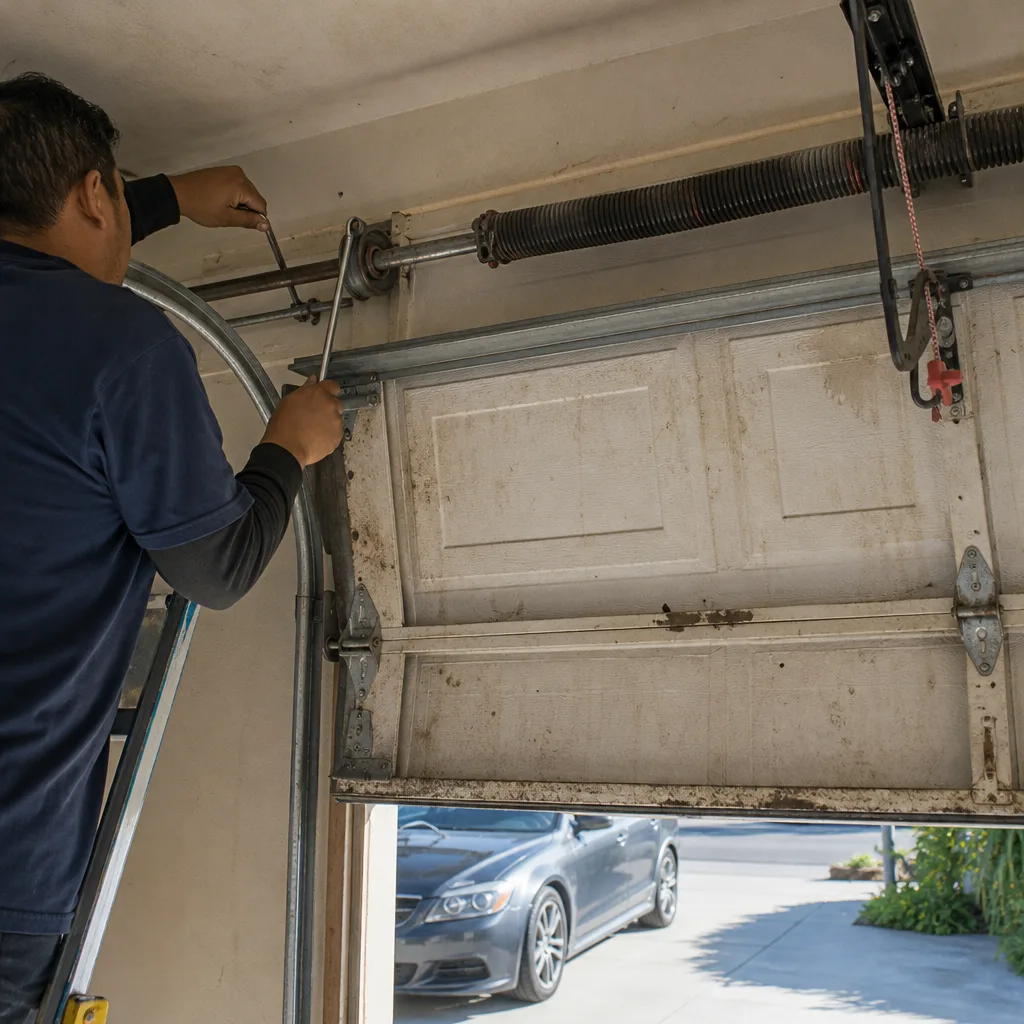 Before
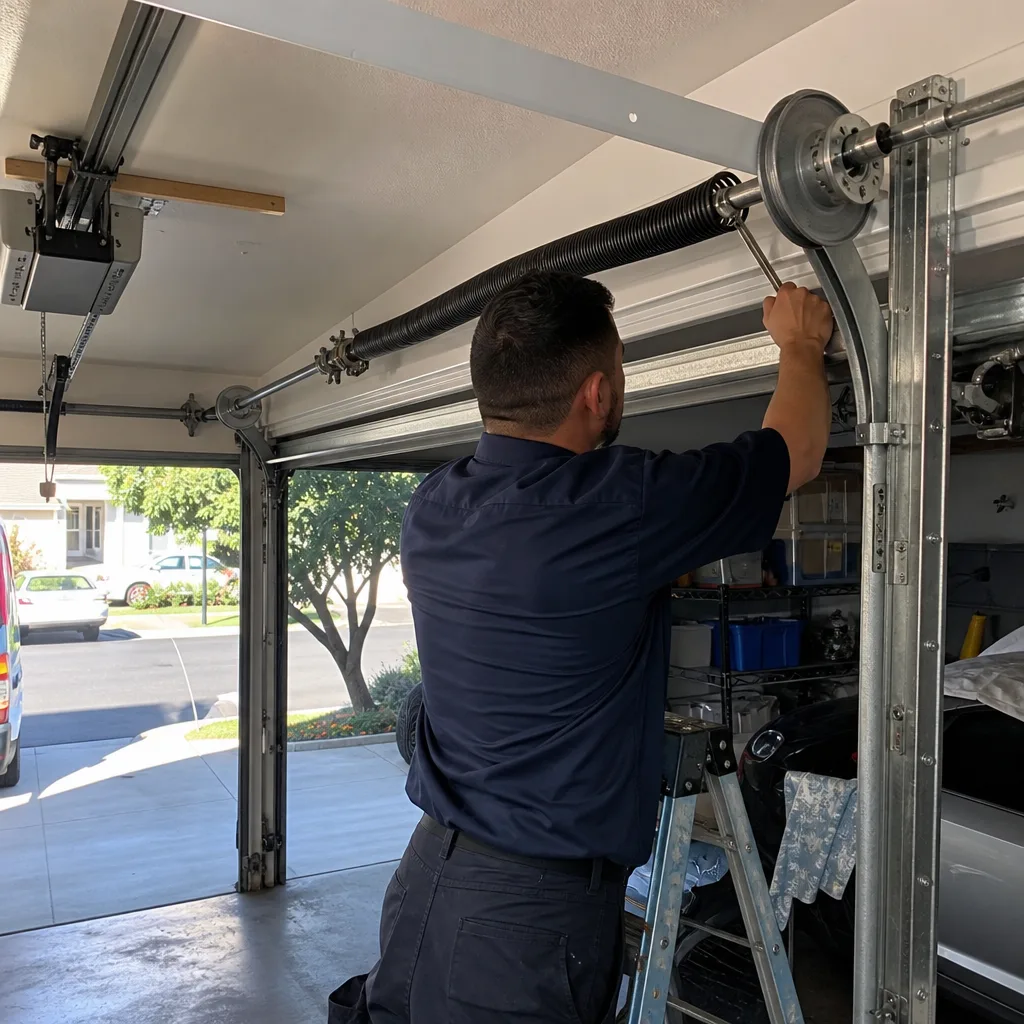 After
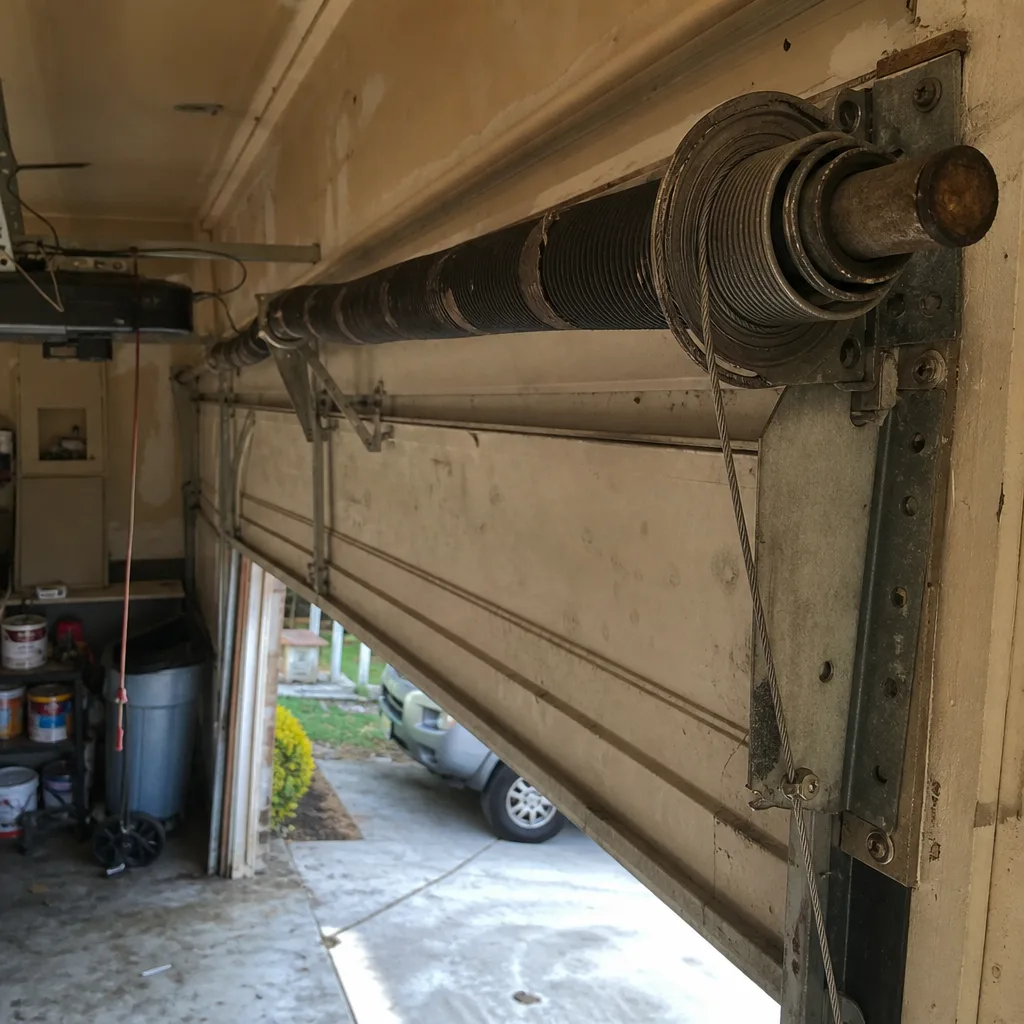 Before
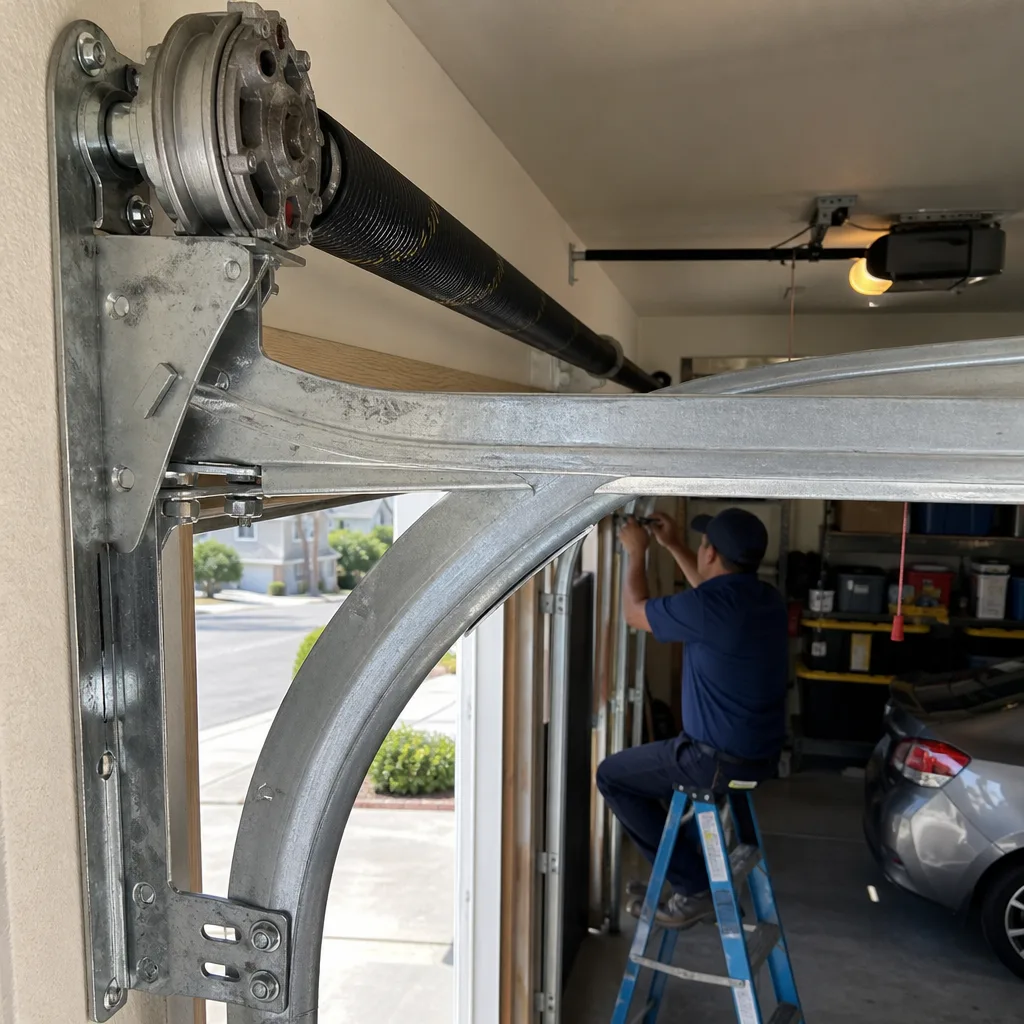 After
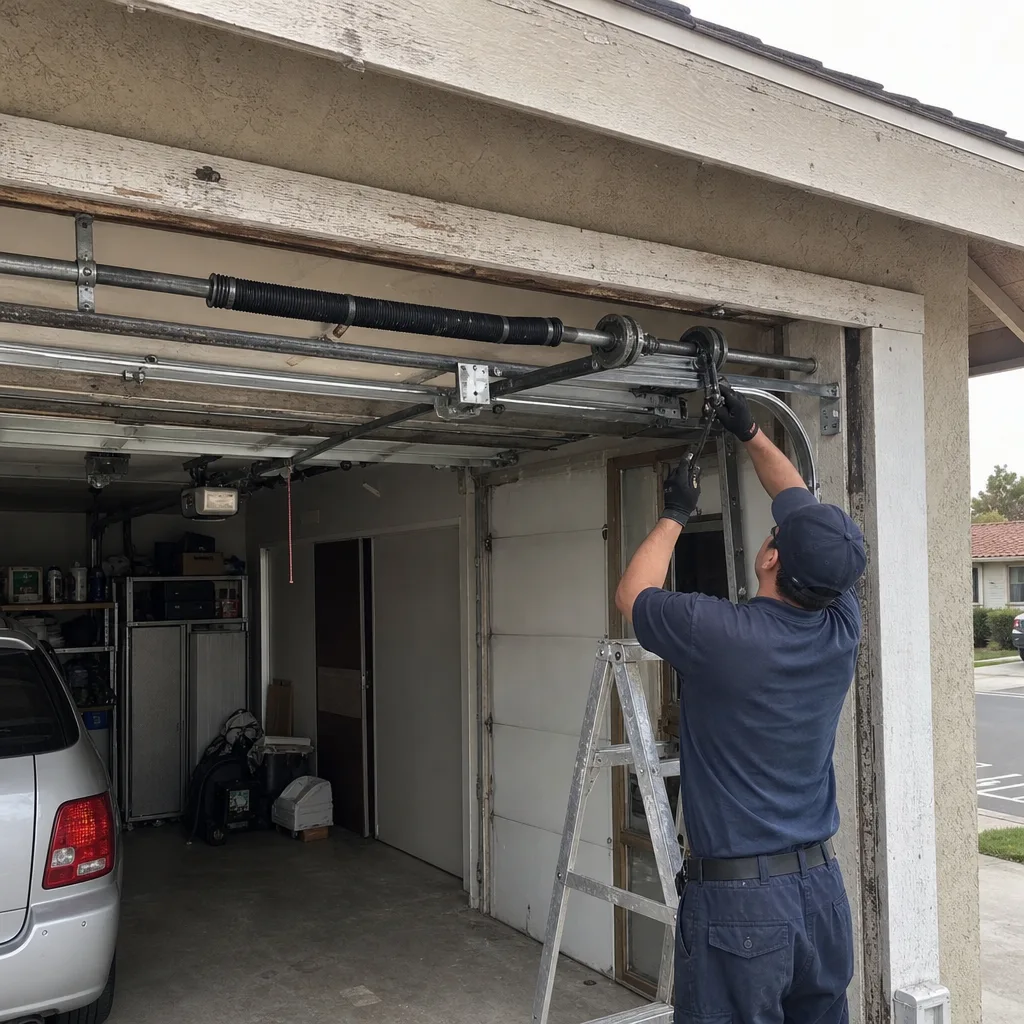 Before
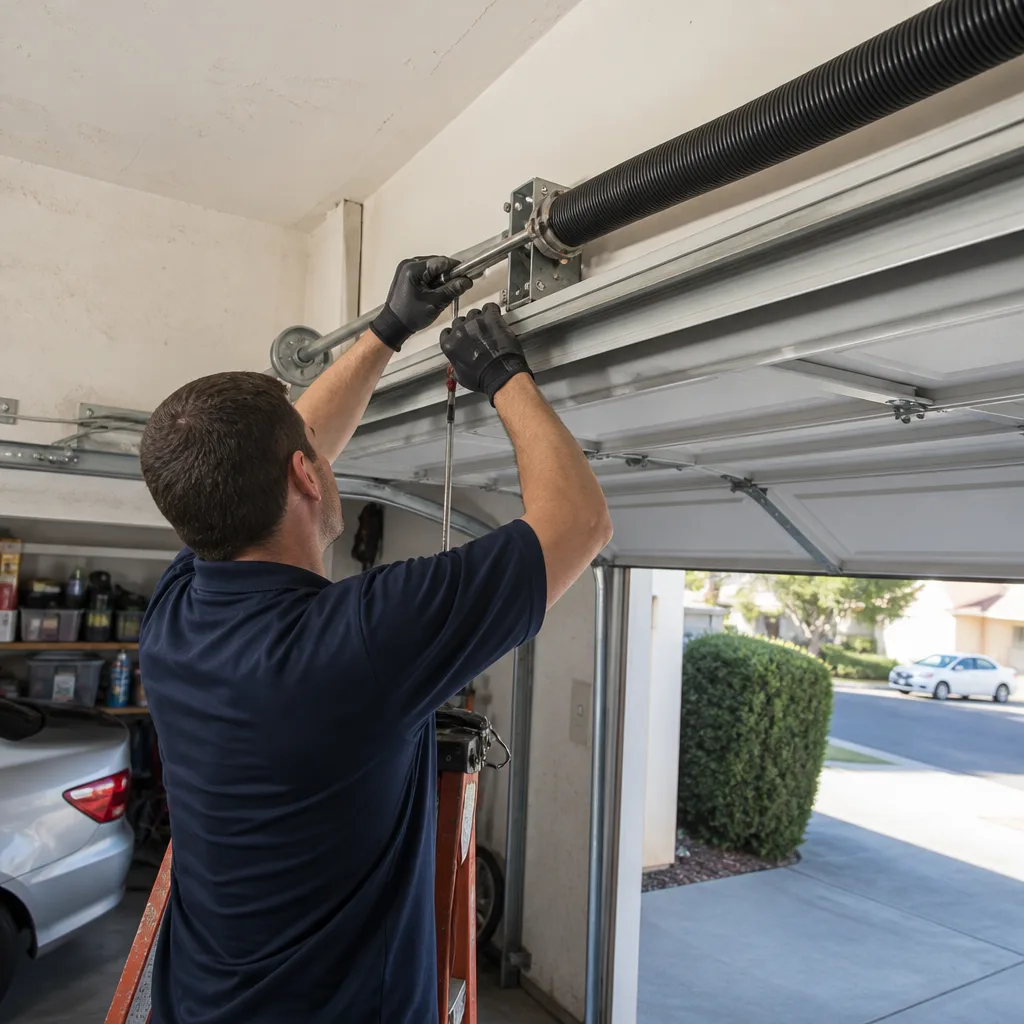 After